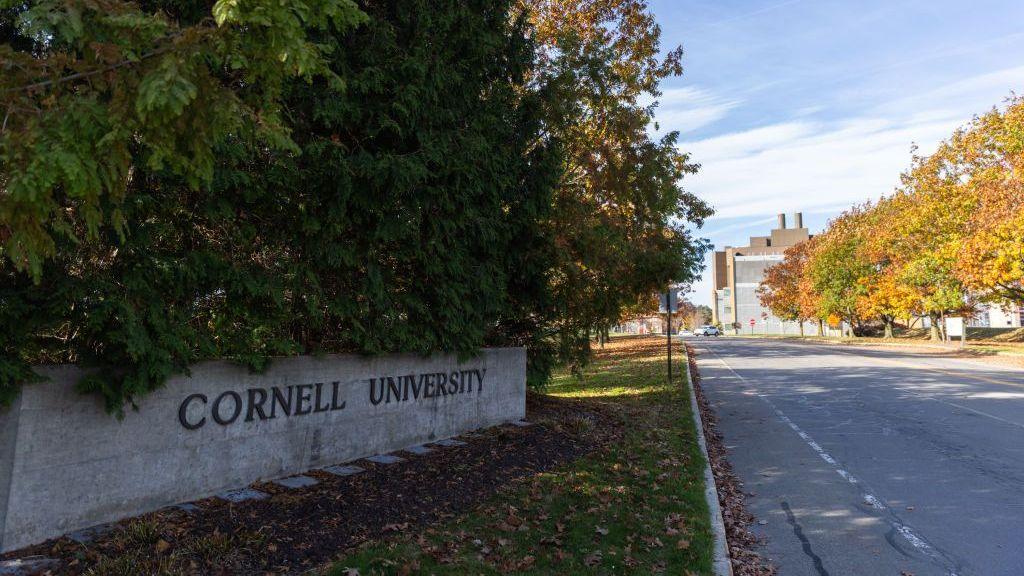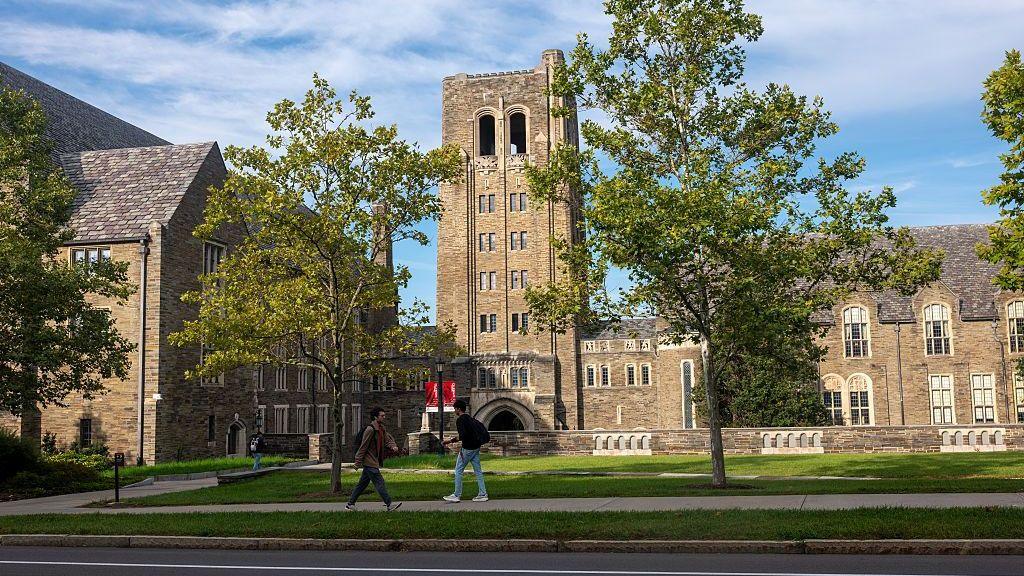
In 2024, a 20‑year‑old student at Cornell University alleged that she was raped by seven men at a fraternity house. The accuser, who is kept anonymous in court documents as Jane Doe, claims she was so intoxicated that she was “incapable of consent.”
Initially, no criminal charges were brought, but the case was reopened following a civil lawsuit that thrust the allegations into the national spotlight and reignited the possibility of criminal prosecution.
Attorney Thomas Giuffra told CNN that her client was pressured into taking ketamine before the assault and that she was “completely, grossly intoxicated” when she arrived at the house. He noted that online sleuths are now attempting to identify her, calling this an “unfair” and dangerous attack on her privacy.
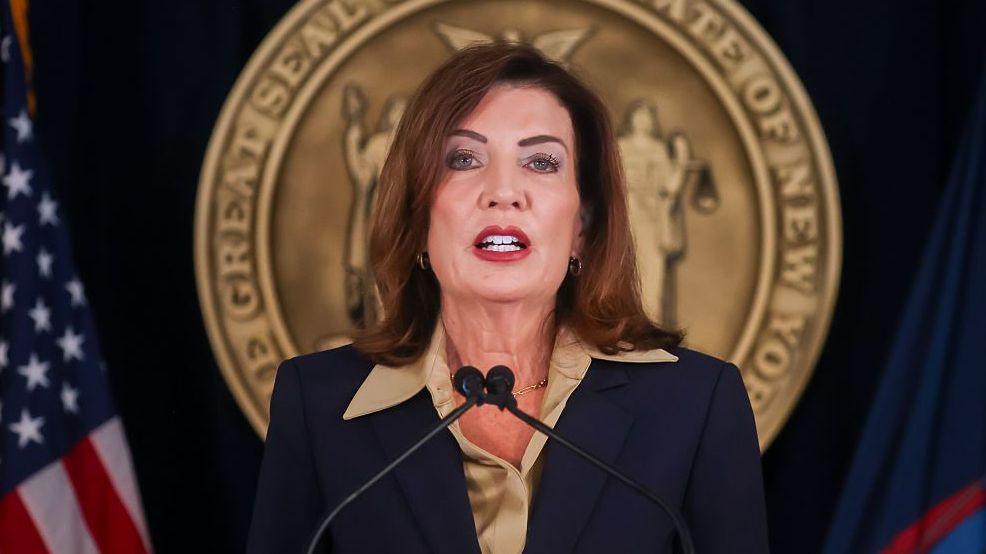
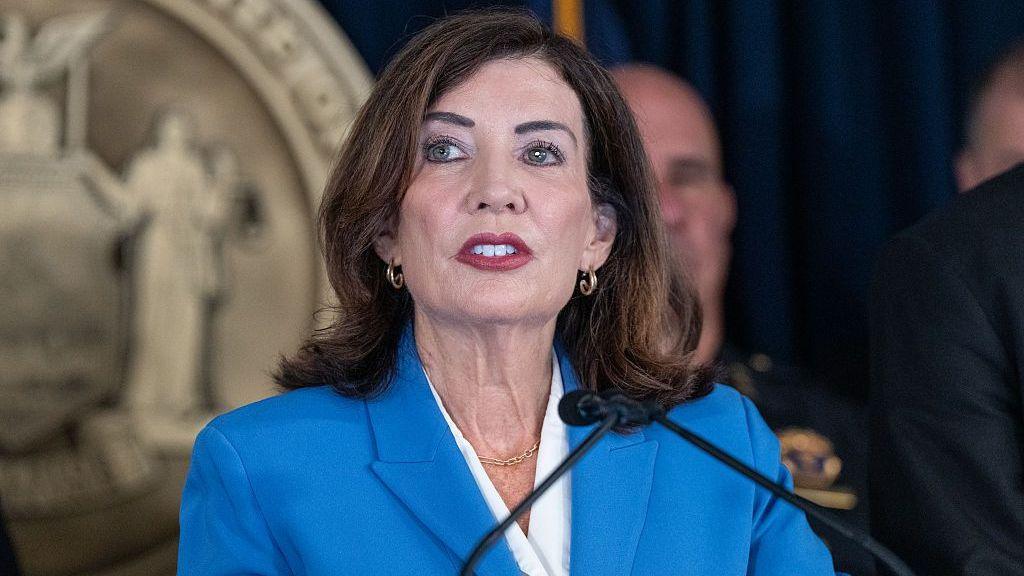
New York Governor Kathy Hochul appointed Attorney General Letitia James to lead the investigation after expressing “lost faith” in the county prosecutor’s ability to oversee the case. Hochul vowed to close a state law loophole that makes it difficult to press rape charges when the victim consumed alcohol or drugs.
Campus students have voiced frustration at the public hearing, with some criticizing the handling of the allegations and the speed of the response by university officials. At the same time, many online activists have pledged to protect the accuser’s identity by posting videos titled “I am Jane Doe” and sharing stories of their own experiences with sexual assault.
The case has highlighted the challenges of balancing anonymity with accountability in sexual‑violence cases, and the pressures that can arise when social media communities intervene in legal matters. As the investigation continues, both the university and state authorities face scrutiny over how effectively they protect victims while ensuring a fair trial for the alleged perpetrators.