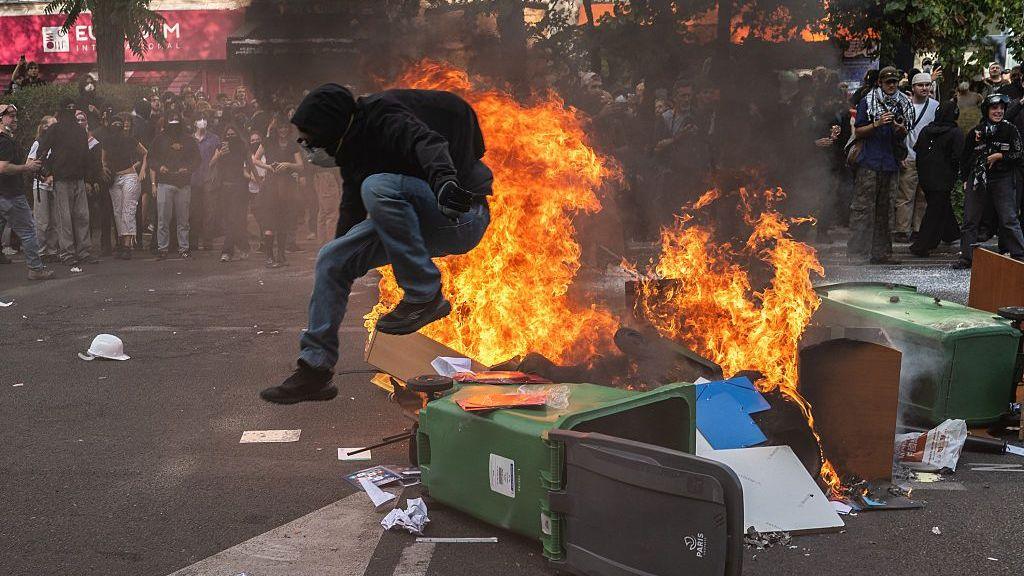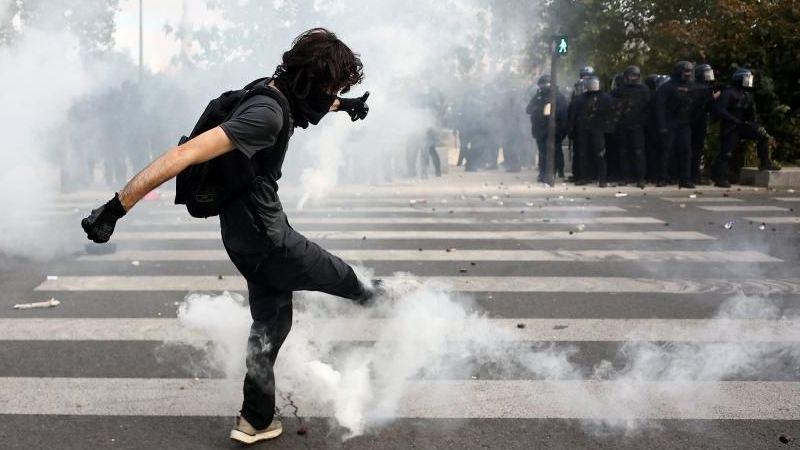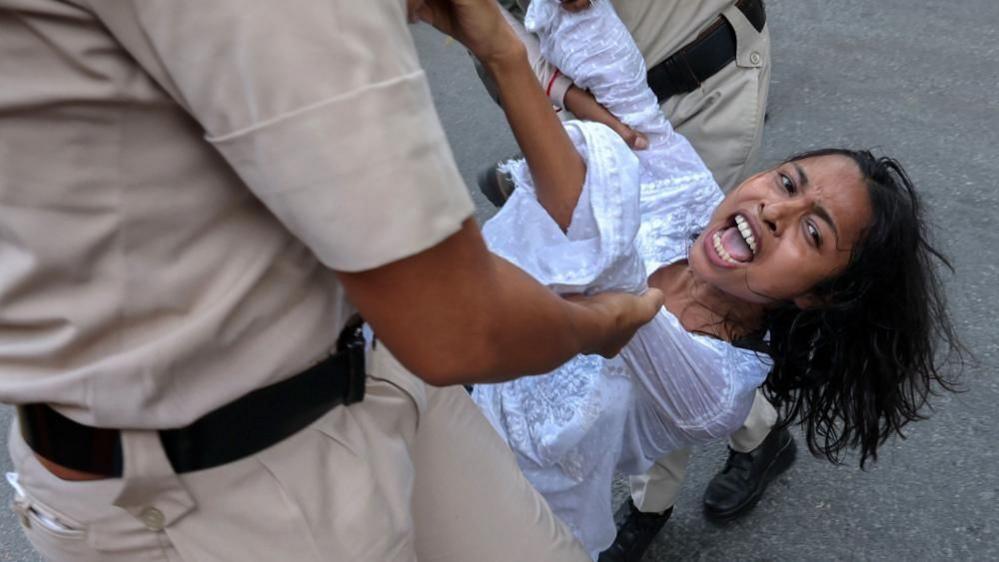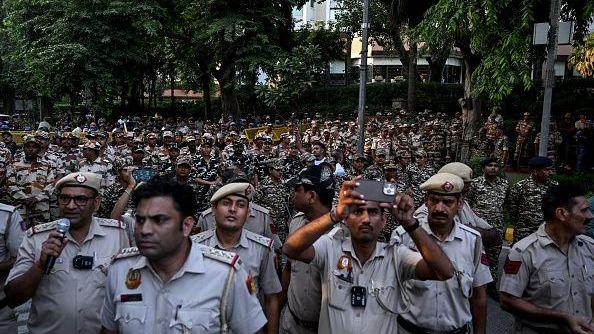
Delhi is now a fortified zone, with tens of thousands of police and paramilitary personnel posted on main roads and at key intersections to block the 'cockroach' protest scheduled for Saturday.
The movement, led by Gen Z activists, demands electoral reforms and the resignation of Chief Election Commissioner Gyanesh Kumar amid claims that a last‑year voter‑list revision favoured the ruling BJP. The Election Commission says the changes removed 130 million duplicate entries, but opposition parties allege many eligible voters have been erased.
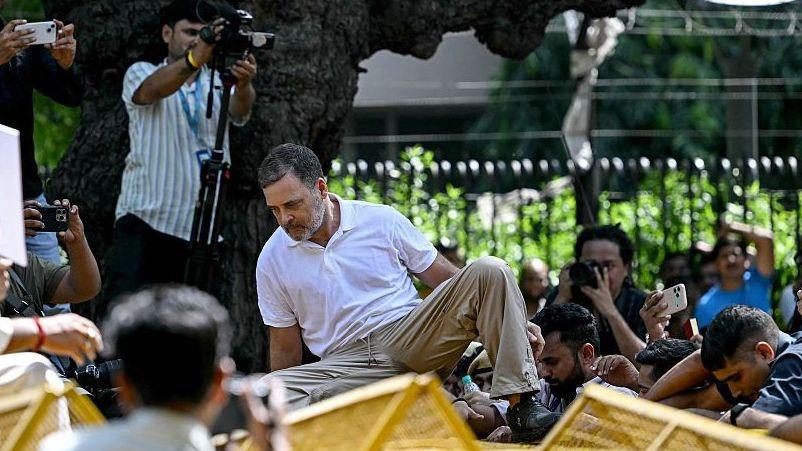
In response to the protest demands, authorities shut all roads leading to Jantar Mantar, the city’s historic protest ground, and banned gatherings nearby. Train services to Delhi were halted and several metro stations were temporarily closed to prevent mass mobilisation.
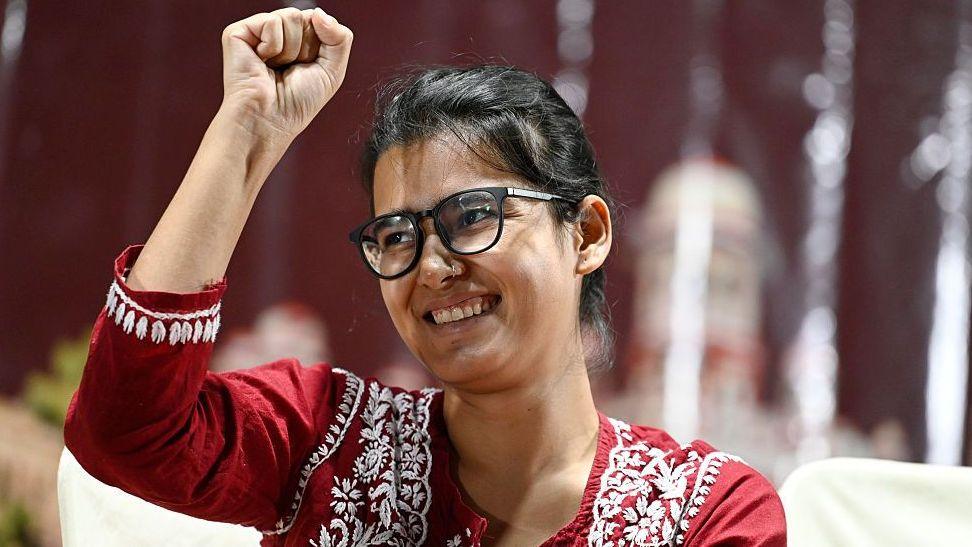
Abhijeet Dipke, founder of the Cockroach Janata Party (CJP), declared on X that the march would proceed "come what may," even if police resort to force. His message counters the official narrative that CJP must first obtain police permission, which the government refuses to give.
Over the past weeks, the CJP has staged rallies in Mumbai and Bengaluru, successfully prompting the resignation of Education Minister Dharmendra Pradhan. Support for the Jantar Mantar protest now extends to opposition parties, farmers and student groups, signalling a potential watershed for India’s democratic and environmental future.
The climate community watches closely, noting that any shift in electoral leadership will affect the pace and scope of India’s green agenda, from renewable energy targets to carbon‑neutral cities. As Delhi’s political status quo teeters, the rule of law, freedom of assembly and public safety remain at stake—all central to a resilient sustainability pathway.