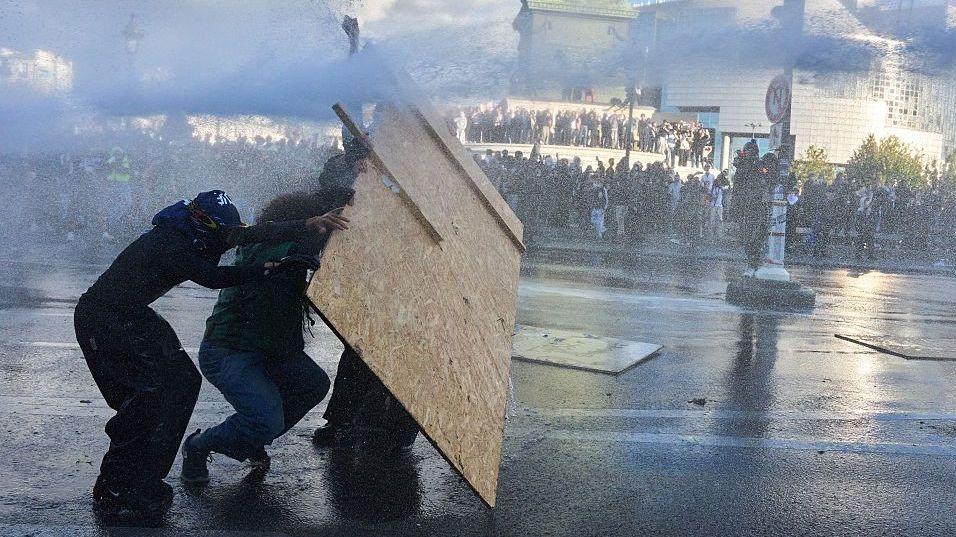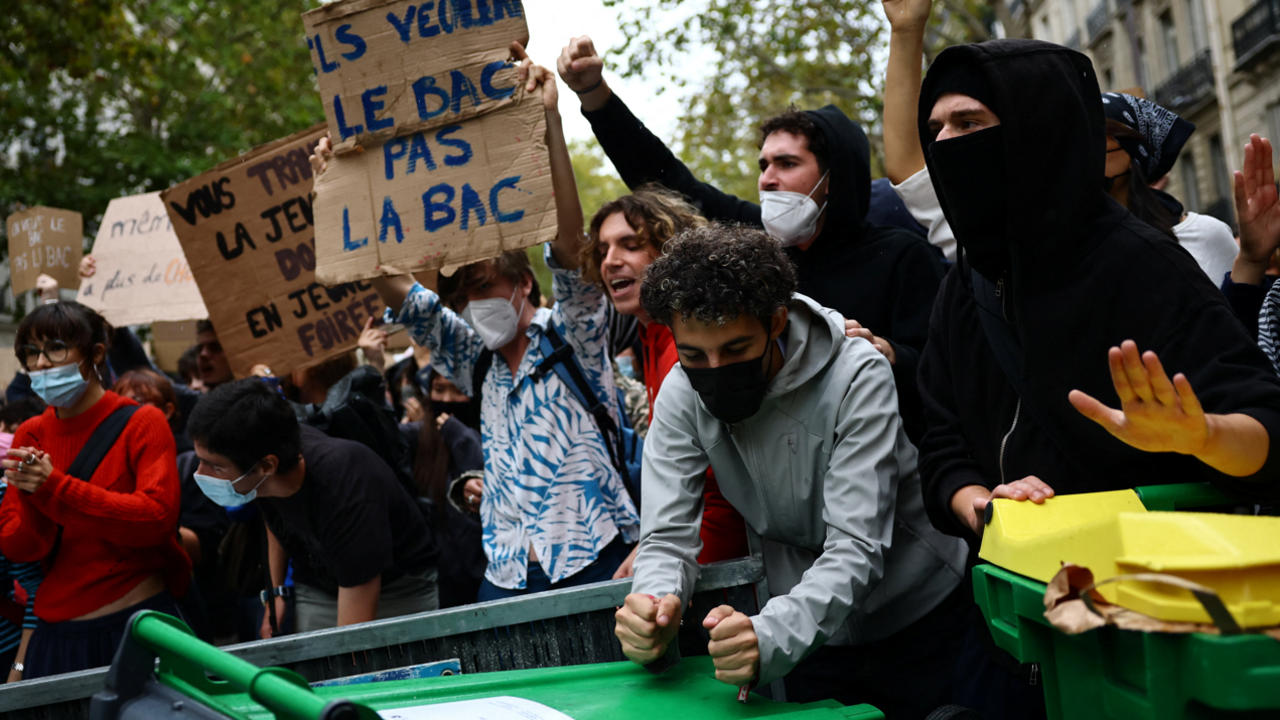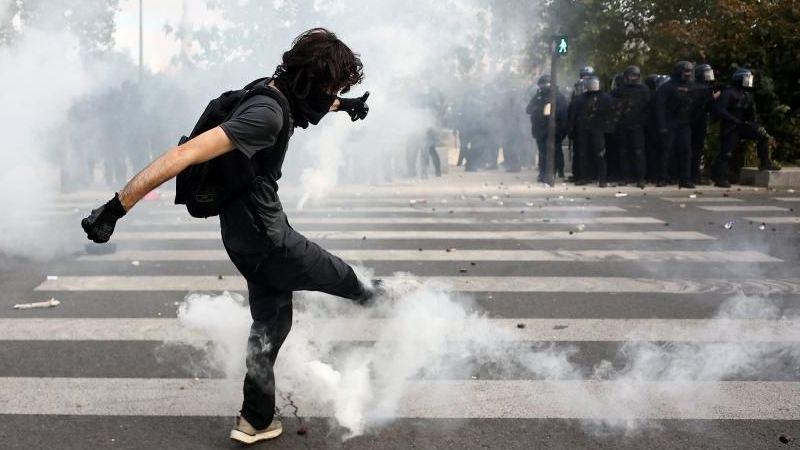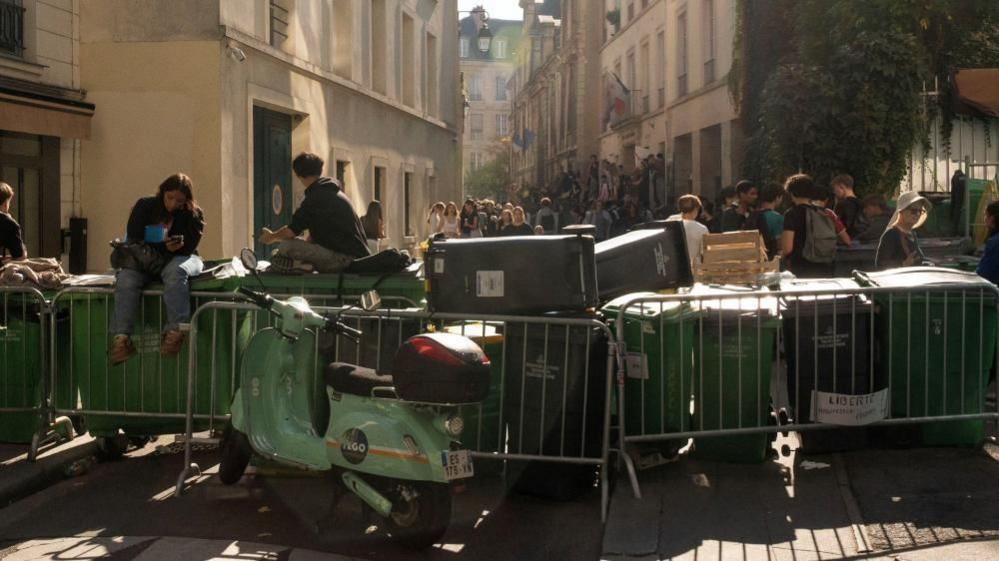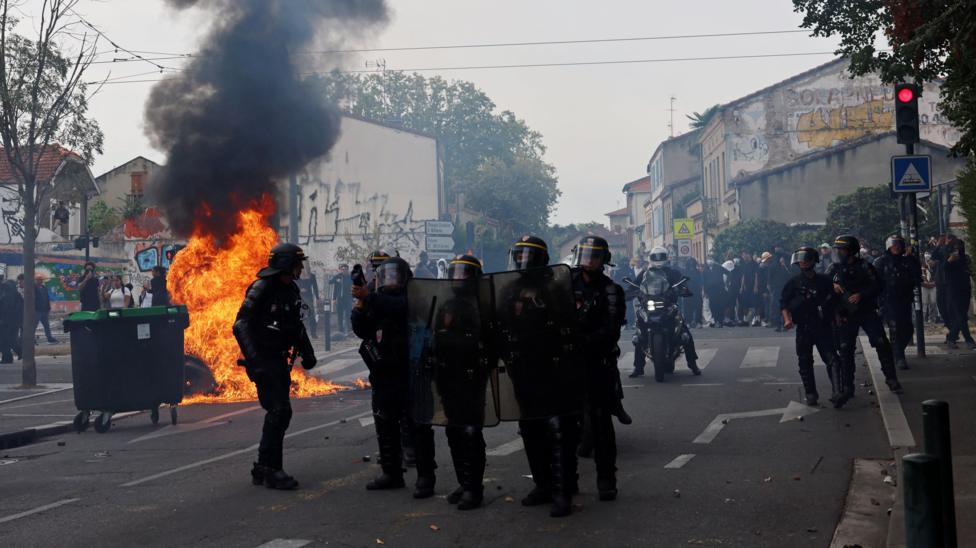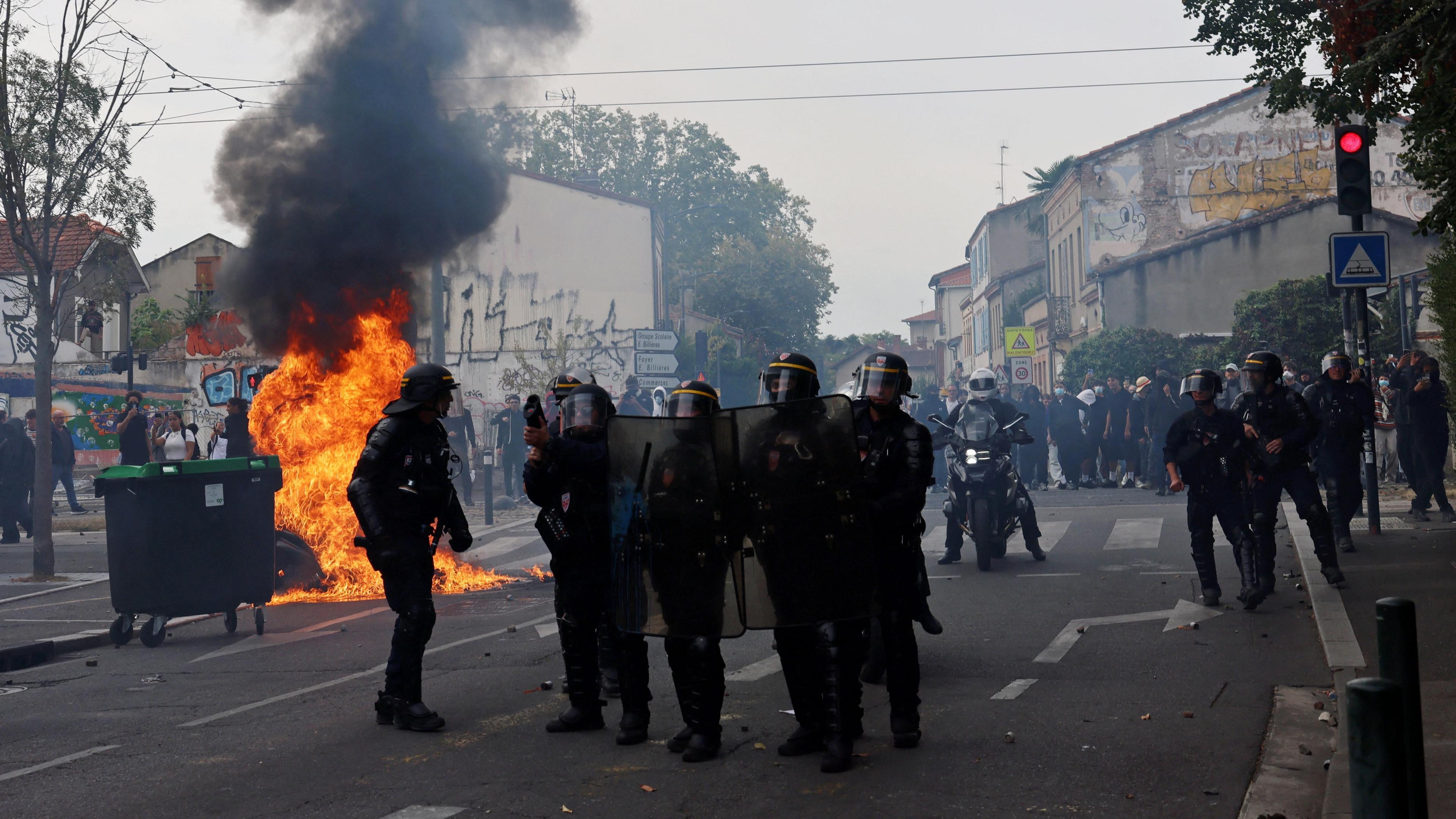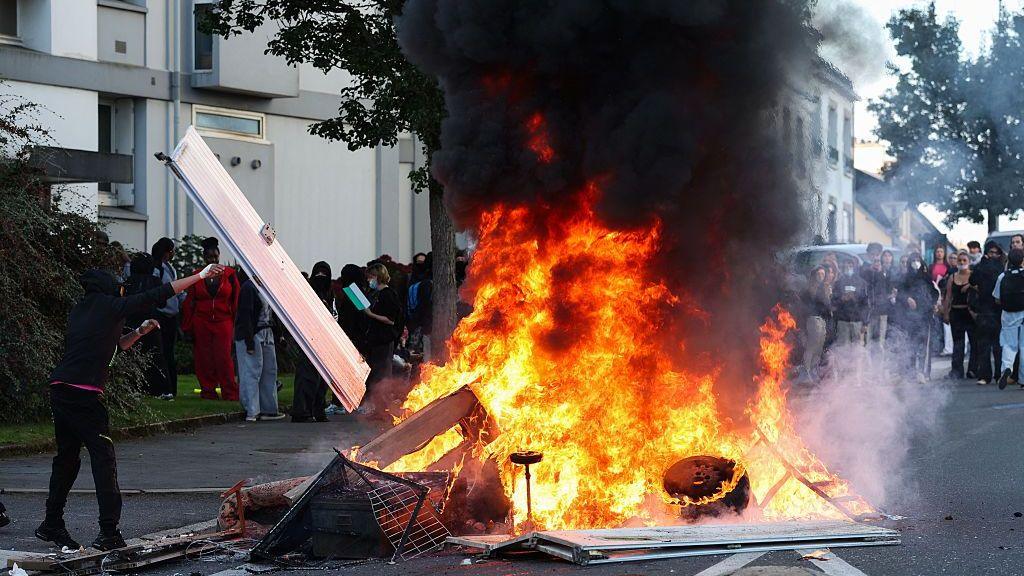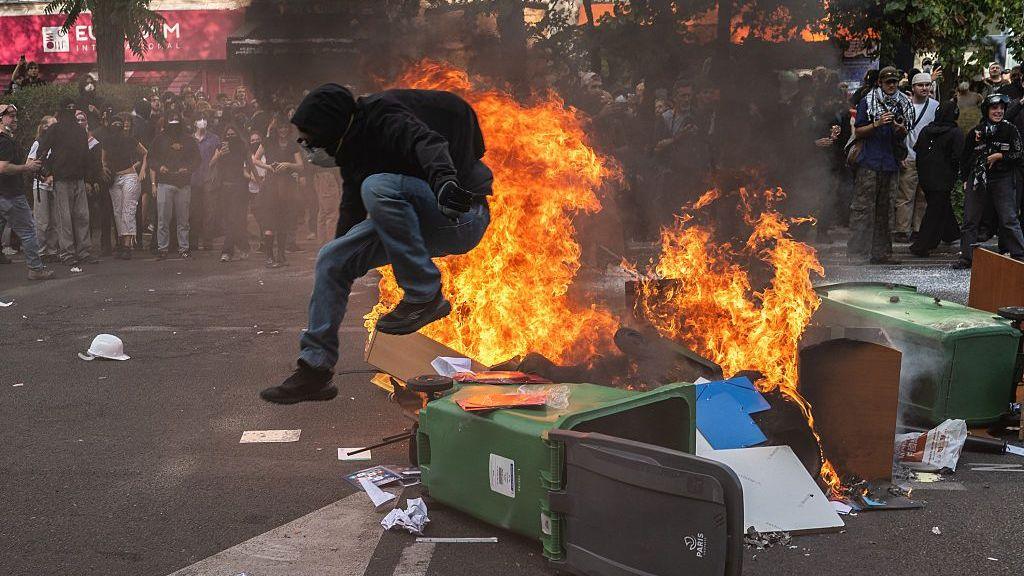
Student voices uniting across France call for a new era of safety, sustainability and support within schools.
Hundreds of thousands of students since the end of last month have stormed school entrances, chanting slogans and demanding better funding for operations that reach into the breadline of every teenager. “There aren’t even enough chairs. We have to go and find some at the start of every lesson,” one 16‑year‑old from Lille explained, echoing an alarm about overcrowded canteens where 2,000 pupils must squeeze into a 50‑minute lunch break.
The protests began against stark material grievances: dilapidated classrooms, broken toilets, mould‑laden ceilings, rats dancing through corridors, and extreme temperature swings that turned classrooms into thermometers for climate change. These conditions reveal a systemic failure to invest in climate‑resilient infrastructure, from first‑floor insulation to energy‑efficient windows.
Teachers have joined the movement, presenting laminated timetables that expose gaps of hours caused by staff shortages. With a typical class now holding 35 students in France compared with a national average of under 23 in England, the strain on teachers translates into less guidance, compromised learning outcomes, and a growing wedge between the youth and the state.
Politically, the unrest is a crucible for the upcoming presidential race. The far‑right and far‑left both seize the moment, pledging reforms that tap into student frustration. Marine Le Pen has used the unrest to criticize the damage, while Jean‑Luc Mélenchon sees a chance to re‑energise a movement historically rooted in the 1968 protests that almost toppled a prime minister.
Prime Minister Sébastien Lecornu announced a commitment to deploy 3,000 extra supply teachers, with a bill yet to fix the higher‑elevation crisis. But as the government contends with a €200‑billion debt burden and a 1.7% rise in education spending this year, the demand for matching green school projects, modernised classrooms and sustainable teaching resources remains unmet.
The current wave of student activism is not merely about brick and mortar; it underscores the urgent need for education systems to become climate resilient, ensuring that every new classroom is energy efficient, adequately ventilated and equipped with renewable energy sources. In contrast, the protests expose a broader issue: the erosion of trust between French youth and public institutions, revealing a generational divide over how best to handle environmental, social, and fiscal challenges.
For echosphere.news, investigative correspondent Bruno De Laurent reports the rising tide of school protests in France.