Oil prices fall to three‑week low amid hopes the Strait of Hormuz could reopen
A newly open dialogue between U.S. and Iranian officials has lifted market sentiment, sending the global benchmark for crude oil
All‑round values of Brent crude slipped to below $80 a barrel, a near 5% dip from the previous day. The Houston‑based West Texas Intermediate also fell more than 5% to $76, the steepest decline since 13 July. The short-term price relief has prompted a brief shift in transport fuel costs and a marginal drop in associated greenhouse‑gas emissions.
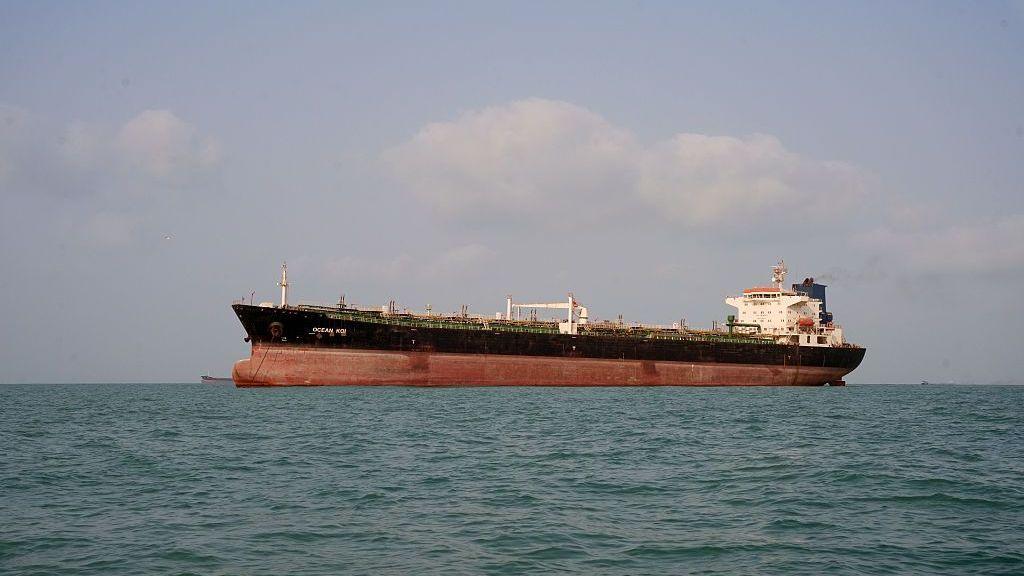
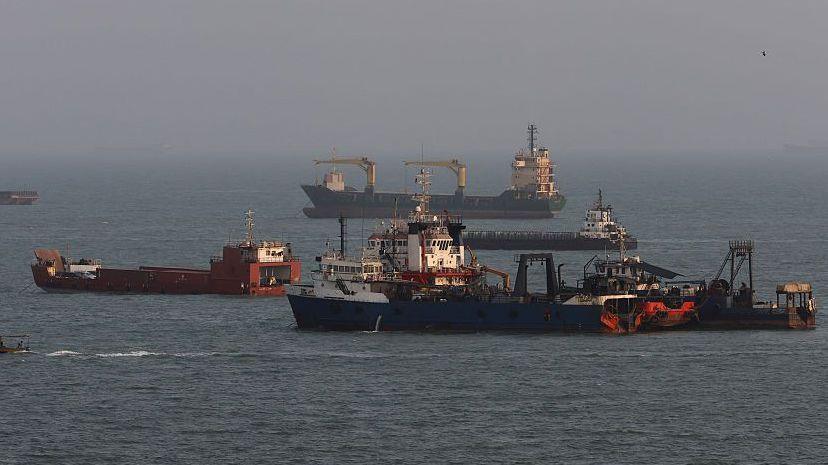
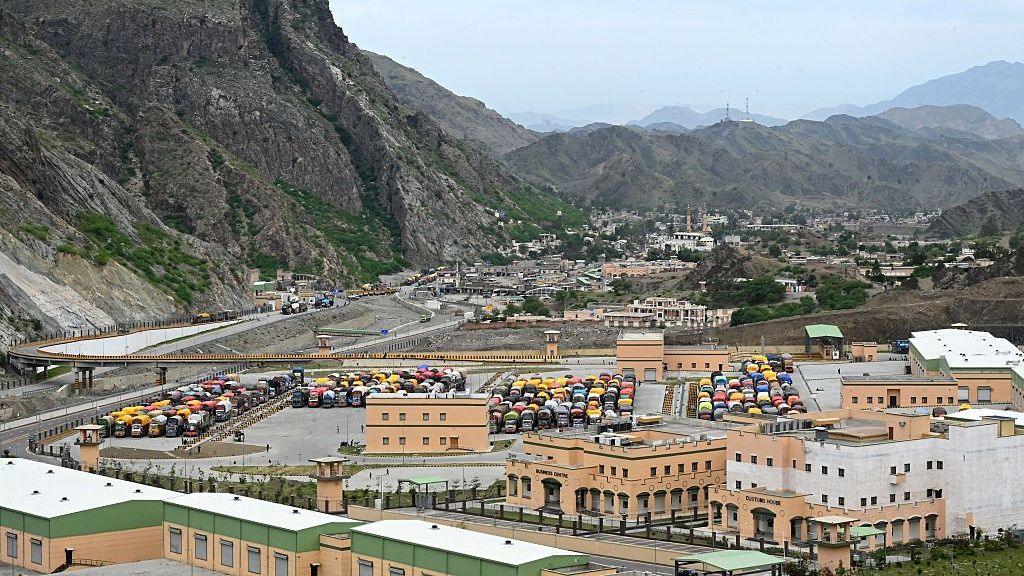
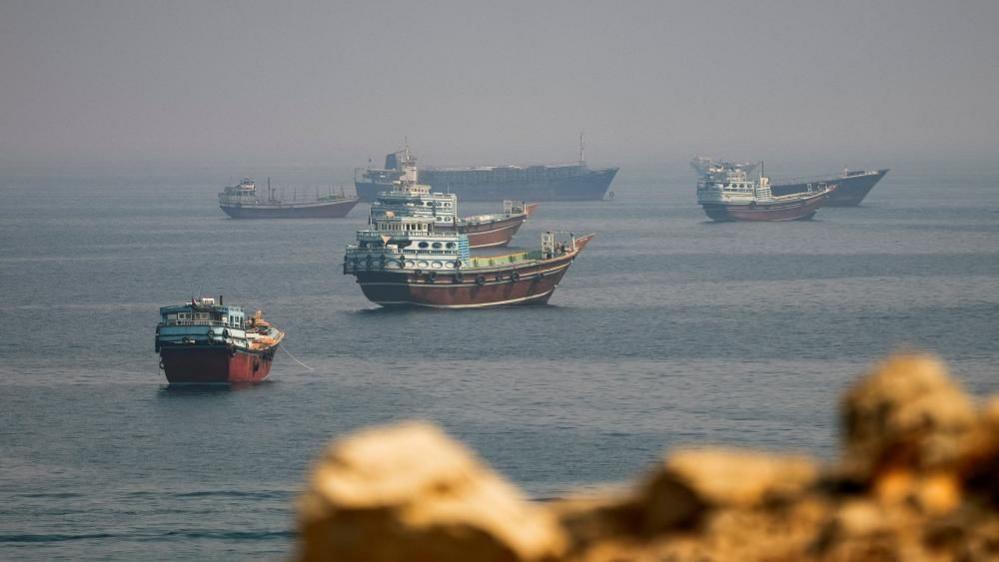
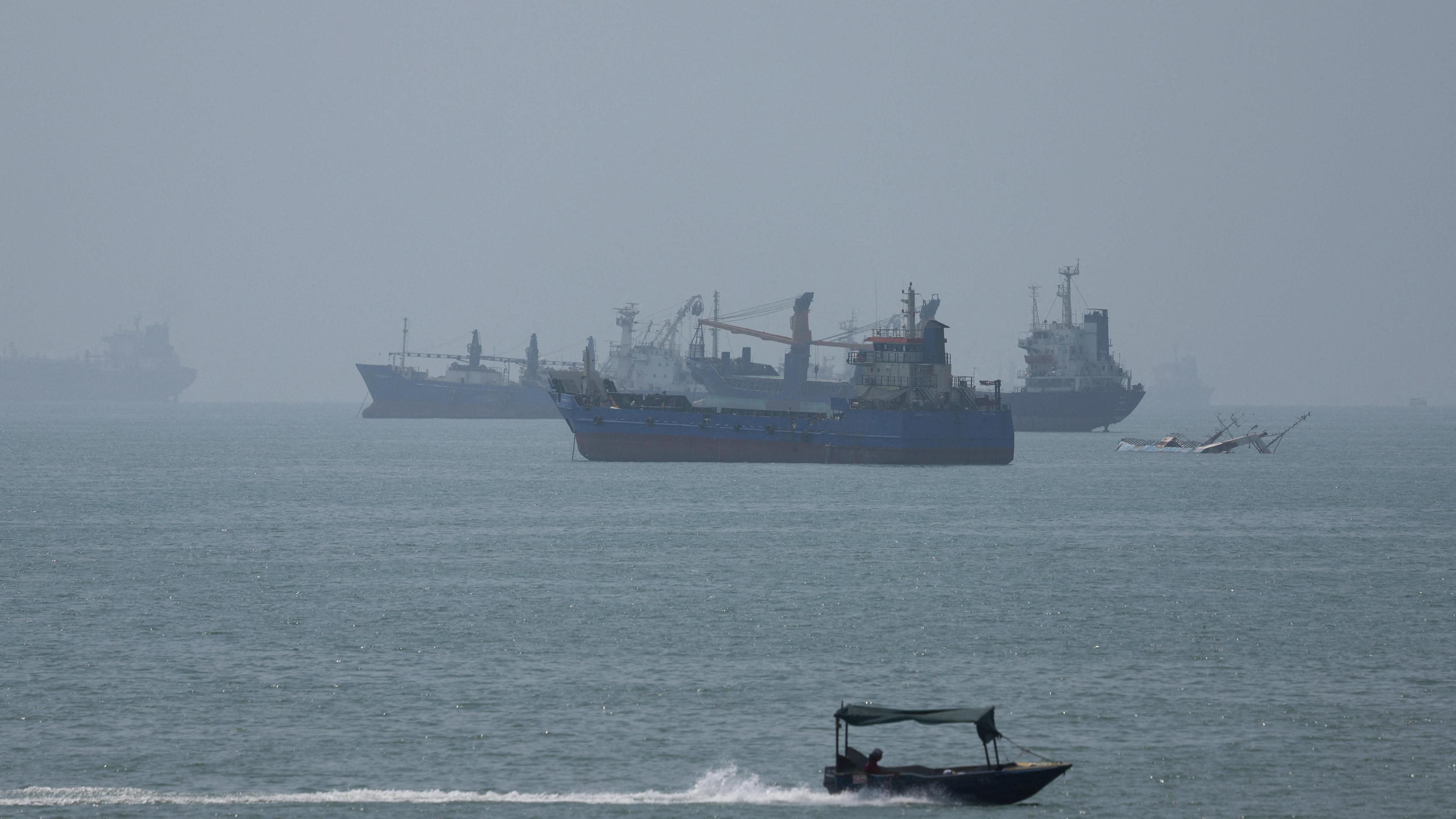
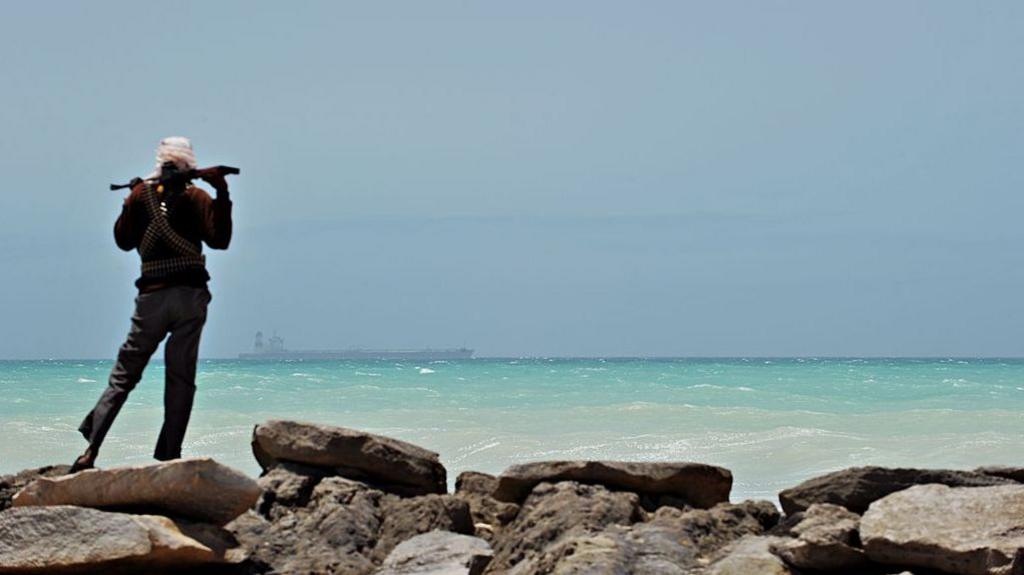
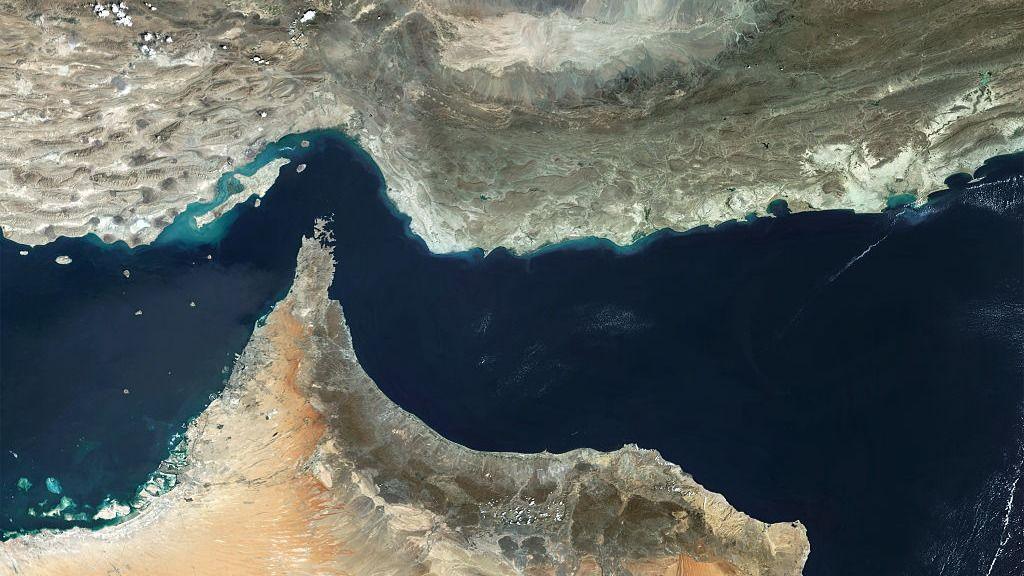
U.S. Secretary of State Marco Rubio and Treasury Secretary Scott Bessent said talks had progressed sufficiently to potentially allow maritime traffic to resume this week. Although no definitive agreement has yet been released, the Strait of Hormuz—through which about one‑fifth of global oil and liquefied natural gas passes—could see a rapid return to normalcy.
The renewed movement toward easing sanctions and improving diplomatic trust arrives against a backdrop of long‑standing volatility in the region. Each surge in military tension often inflates oil prices, driving up gasoline costs worldwide, as is currently seen. In the short gap, a softer price curve may relieve consumer pressure but also risks maintaining dependence on fossil fuels for a prolonged period.
For the environmental community, the possibility of a restored Strait carries a mixed message: while lower crude prices may cool emission levels temporarily, the continued reliance on oil highlights the imperative for rapid scale‑up of renewable alternatives to reduce atmospheric carbon. Long‑term energy security thus hinges on both policy dialogue and committed transition to cleaner sources.
As market observers note, the evolving diplomatic progress could usher in a new climate where oil permeated stop‑gap measures, yet a sustainable path calls for immediate investment in solar, wind and hydrogen power, alongside enhanced grid resilience.