In brief
Somalia’s piracy problem has escalated, with 13 attacks recorded since the year’s start, reflecting a broader shift in maritime risk triggered by the US‑Iran war’s ripple effects. Pirates seized two cargo ships in the Gulf of Aden last week, drawing unprecedented drone strikes against them. International navies now patrol the area less aggressively while commercial vessels migrate closer to the Somali coast, creating an opening for piracy. Security analysts warn that unless the war eases and local economic conditions improve, piracy risks may continue to climb, threatening global trade and environmental safeguards.
Somali piracy has surged amid cascading effects of the US‑Iran war, threatening shipping lanes already strained by regional blockades and military‑driven unrest.
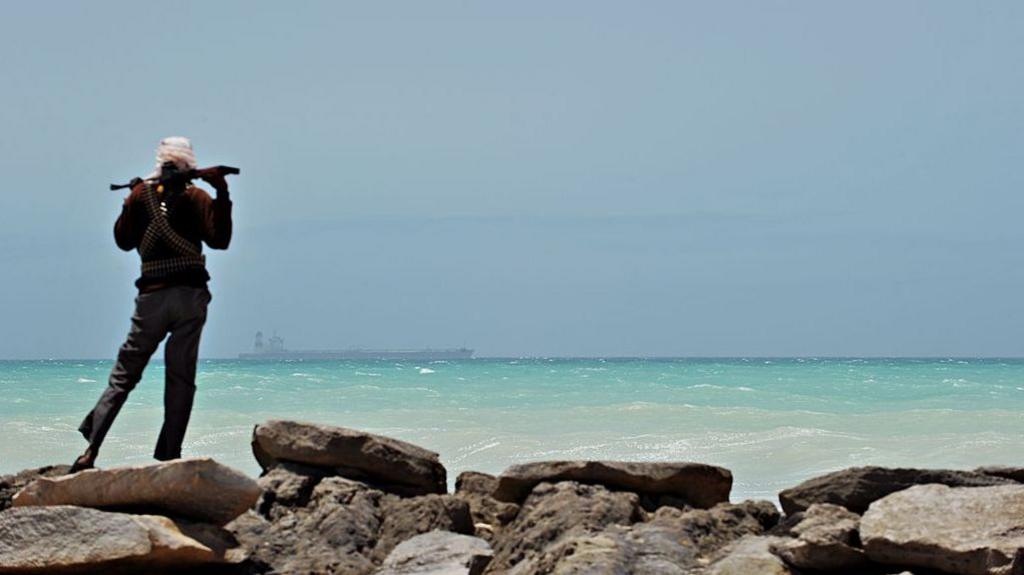
Since the beginning of the year, 13 ships, including cargo vessels and an oil tanker, have been seized in the Gulf of Aden, with drone strikes mounting against pirate groups for the first time. This spike comes as pirates see an opportunity: fewer naval patrols, more commercial traffic diverted south to avoid conflict zones near the Strait of Hormuz, and higher-value targets such as fuel tankers.
Experts point to a confluence of factors. The war forces shipping to reroute around the Bab el‑Mandeb Strait, while the blockade imposed by Yemen’s Houthi rebels cuts off traditional patrol corridors. According to Omar Mahmood, a senior Somalia analyst, these shifts signal a “combined effect of less naval patrolling but more commercial shipping in these waters.”
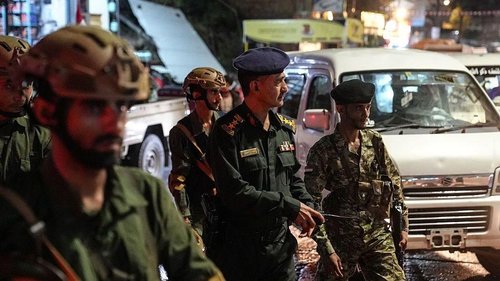
Notably, a Cameroon‑flagged vessel, the MV Lutuf, was hijacked near Puntland on 17 August. Locals allege it carried Turkish weapons, leading to drone strikes that killed 13 men linked to the pirate network. Turkey’s defence ministry says its forces provide “necessary support” to Somali authorities amid the incident, though it has not confirmed involvement in the strikes.
The region’s environmental stakes are high. International trawlers over‑fishing in Somali waters strain local fisheries, a key component of Puntland’s food security. The shift of piracy also risks damaging marine ecosystems, with potential for oil spills and disruption of shipping routes that are vital for global trade, including the transport of energy‑rich cargoes that feed cold‑chain supplies worldwide.
Puntland’s security officials remain wary of Turkey’s growing naval partnership with the Somali government, citing incidents that could undermine cooperative efforts to curb piracy. The enduring war between the US and Iran, along with heightened regional conflict, keeps maritime security forces preoccupied, limiting their capacity to intervene in Somali waters. Without a resolution, piracy may continue to rise, endangering not only crew and cargo but also the fragile marine environments that underpin local livelihoods.