In brief
On 30 August, U.S. forces struck rocket launchers on Larak Island, triggering Iranian retaliation with ballistic missiles aimed at U.S. bases in Jordan and drones over UAE airfields. The conflict now threatens the Strait of Hormuz – a 21‑mile waterway that carries about 20 % of global oil and LNG – raising alarms that a closure could send bunker fuel prices sharply higher. Oil‑burning ships contribute significantly to maritime greenhouse gas emissions; a sudden halt in transit would not only destabilise the energy market but also accelerate climate‑damage through stranded shipping fleets and forced rerouting. Meanwhile, Iran’s financial demands to inspect and charge vessels for passage risks adding new risk layers for shipping insurers and may deter vessels from using the safest route, pushing them onto evasion corridors with higher environmental exposure. In the longer term, the region’s heightened risk reduces incentives for investment in green shipping technologies and Could stall wet‑ice monitoring efforts that rely on regular Gulf traffic.
On 30 August, U.S. military operations against Iranian rocket launchers on Larak Island marked the first known U.S. strike against Iran since late July. The attack proved fatal for two civilians and injured two others, according to the Islamic Revolutionary Guard Corps, which called for a response.
The U.S. Central Command described its action as a “limited, precise operation” conducted after detecting Iranian intent to deploy sea mines and launch rockets within the Strait of Hormuz.
In retaliation, Iranian media reported ballistic missiles launched at U.S. bases in Jordan, with Jordan’s army claiming the interception of eight missiles the following morning. The Iranian Foreign Ministry later condemned the U.S. strike as “aggressive” and described the Jordanian response as a legitimate defence.
Iran’s own drone strikes reportedly targeted a UAE air base, a claim which the UAE Ministry of Defence dismissed as “unfounded” while confirming a drone was downed.
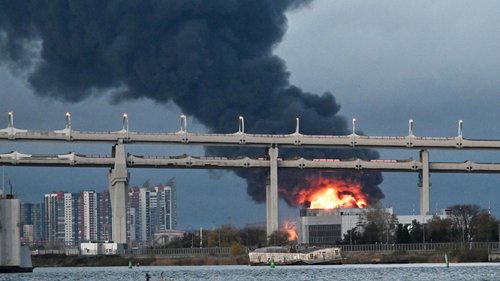
The region’s geopolitical tension escalated when Iran demanded that all tankers must pass near Larak Island for inspection, imposing a $2 million fee on vessels that embed outside its authorised corridor. Evidence of the Indonesian supertanker burning while attempting to navigate the Strait was later denied by U.S. forces as a misinformation attempt.
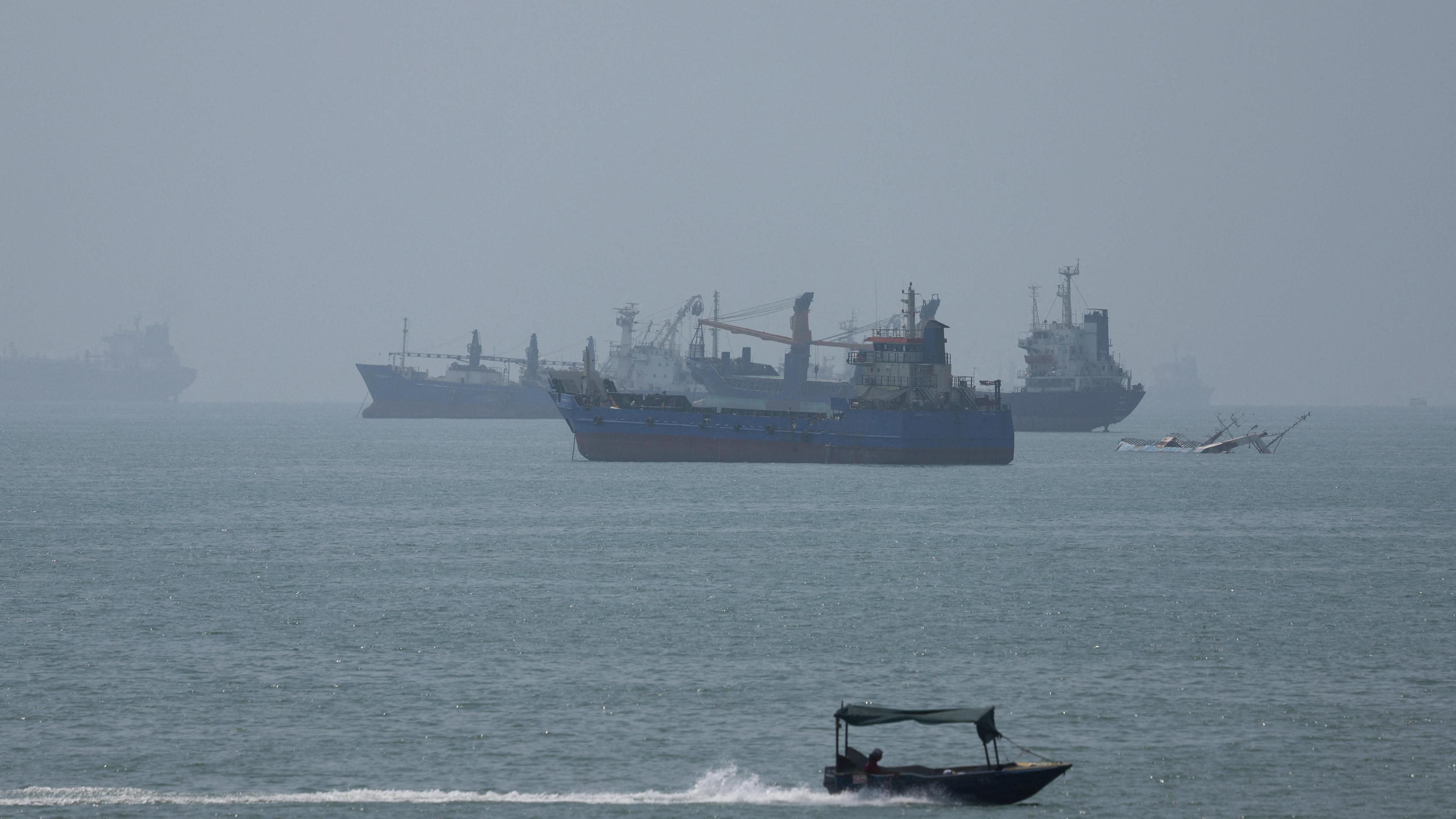
From a climate perspective, the Strait of Hormuz, a narrow stretch of water about 21 miles wide at its narrowest point, currently carries about 20 % of global oil and liquefied natural gas. A closure of the Straits would disrupt world oil markets, contributing to higher bunker fuel prices and increased environmental pressure from stranded shipping fleets. Maritime greenhouse gas emissions, already significant due to heavy fuel oil usage, could rise further if vessels are forced onto longer detour routes.
Financially, the U.S. has intensified sanctions on Iran, extending secondary sanctions to its allies. Concurrently, the U.S. naval blockade has disabled and boarded vessels heading to the region, further tightening the shipping environment.
While the immediate focus is on geopolitical stability, the long‑term stakes for the Gulf’s marine ecosystems remain high. The closure of a critical shipping corridor threatens to push shipping into more vulnerable evacuation routes, exposing coastal habitats to increased hazardous waste and shipping incidents. The interruption also risks delaying the installation of green shipping technologies that require reliable access to oil and LNG markets for investing in fuel-switching programmes.
In light of these unsettled dynamics, climate policy experts warn that a sustained disruption of Gulf shipping could derail global maritime low‑carbon transitions and temporarily increase maritime CO₂ emissions. The region’s strategic importance for the world’s energy supply necessitates continued vigilance and collaboration across environmental policy and defence sectors to mitigate the potential climate fallout.