Nicaragua’s push to bar opposition from elections
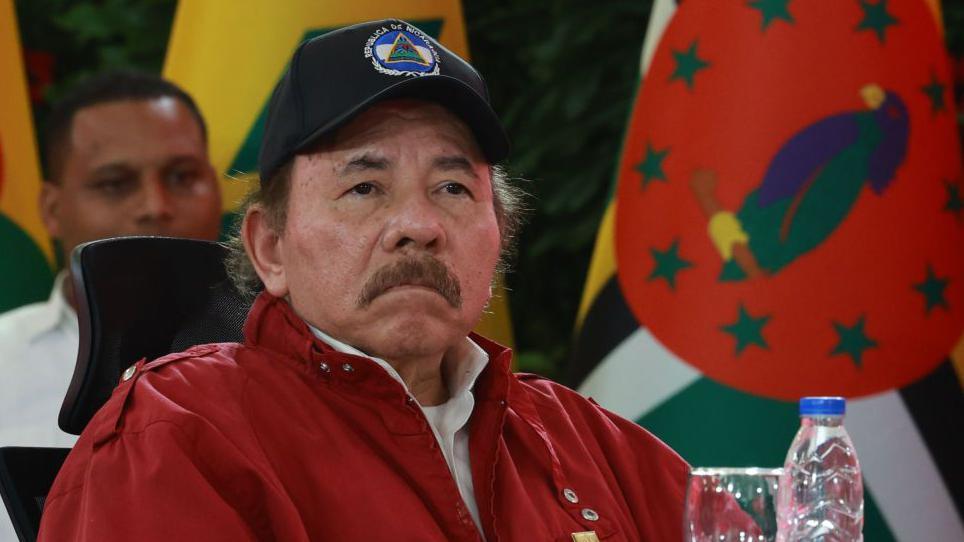
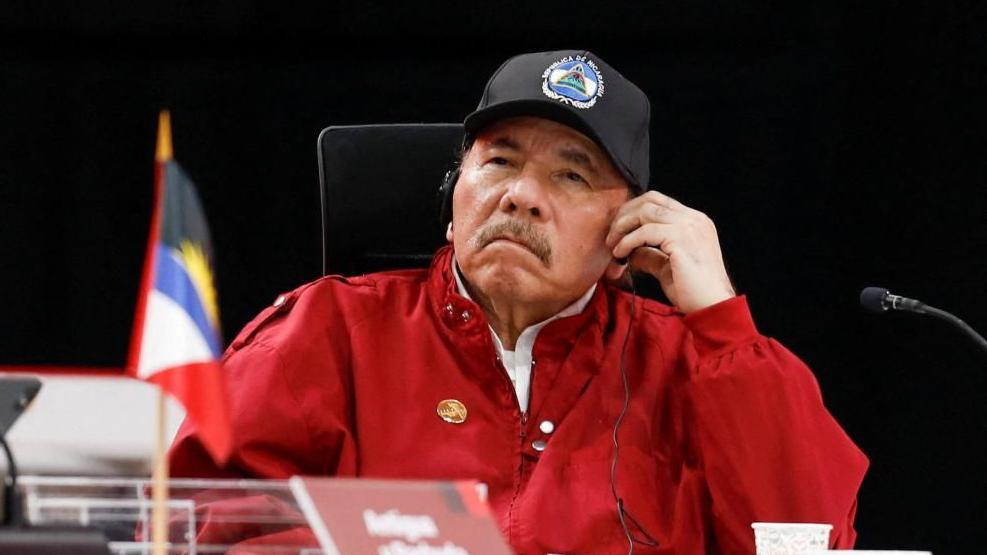
In late July, the government‑controlled National Assembly of Nicaragua began debating a draft law that would prohibit opposition parties from running in the country’s forthcoming presidential vote. Presidential candidate Daniel Ortega has explicitly stated that opposition groups will not be allowed to threaten his government with a popular takeover. These statements echo earlier remarks stating that the opposition, allegedly financed by the United States, aims to “conspire for coup” during the next election cycle.
The United Nations High Commissioner for Human Rights, Volker Türk, condemned Ortega’s approach, underscoring that all citizens should have the right to vote and to stand for office regardless of political leanings. U.S. Secretary of State Marco Rubio added that the rhetoric reveals the “true authoritarian nature” of Ortega’s rule and that the government’s “co‑president” Rosario Murillo has effectively abandoned any façade of popular consent. The Assembly’s chairman, Gustavo Porras, responded by framing the proposal as a way to “ensure there is no crack” for dissenting voices to establish a foothold.
Ortega first seized power in 2007 and has since tightened his grip through legal and extralegal means, including jailing opposition figures, exiling opponents, and stripping them of citizenship. The last presidential elections were held in November 2021, resulting in Ortega’s victory amid a campaign of severe crackdowns on dissent. In the subsequent years, the regime passed a constitutional amendment to extend presidential terms and cement the “co‑president” role of Murillo, which is seen as a sign of a deeper consolidation of power.
The move to exclude opposition from the electoral process threatens to destabilise not only Nicaragua’s political future but also its ability to manage critical environmental challenges. The country’s mangrove ecosystems, rainforest biodiversity, and agricultural sectors depend on transparent, inclusive governance to implement climate‑adaptation strategies and enforce environmental regulations. Democratic constraints that shift electoral decisions are likely to delay or dilute reforms aimed at reducing deforestation, protecting water quality, and ensuring sustainable forest management—goals that are increasingly intertwined with the nation’s climate resilience efforts.
In exile, opposition leaders have condemned Ortega’s plan, citing the risk of turning Nicaragua into a one‑party state and the potential loss of environmental safeguards that could be overseen by a unified government. Juan Sebastián Chamorro, a leading exiled opposition figure, warned that the ruling bloc’s reference to China, North Korea and Cuba as models signals a move toward closed, authoritarian regimes less capable of responding to international climate obligations.
With over 300 anti‑government protestors killed in 2018, and counsel from the International Organization for the Protection of Human Rights condemning Ortega’s policies, the international community is closely monitoring the Assembly’s vote scheduled for August’s first week. A decision to bar opposition parties may further alienate Nicaragua from global climate commitments and hinder progress on vital environmental stewardship projects that rely on democratic oversight. The outcome of this debate will not only shape Nicaragua’s political landscape but also determine the country’s trajectory toward climate‑adapted development and sustainable governance.