In brief
The latest diplomatic effort proposes that Hamas disarm in Gaza in exchange for a full Israeli withdrawal from occupied zones. While this represents an unprecedented possibility of progress, deep distrust, ongoing violence, and internal pressures on both sides cast doubt over its feasibility. Gaza’s population faces catastrophic destruction and the region’s political landscape is shaped by imminent elections and international scrutiny. Civilian suffering and large-scale displacement compound the urgency for a viable path to peace. Multiple stakeholders suggest that incremental confidence-building steps and sustained engagement are essential for the plan’s longevity.
The latest diplomatic scenario proposes that Hamas disarm in Gaza in return for a complete Israeli withdrawal from the 70% area under occupation. This plan offers a rare possibility of progress yet faces significant hurdles from deep mistrust, military activity, and political instability.
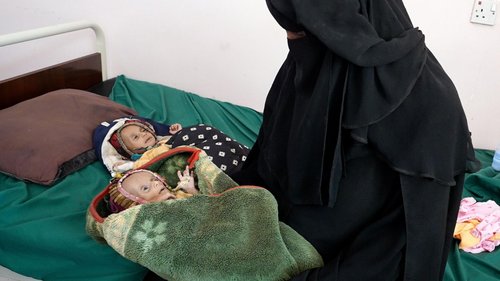
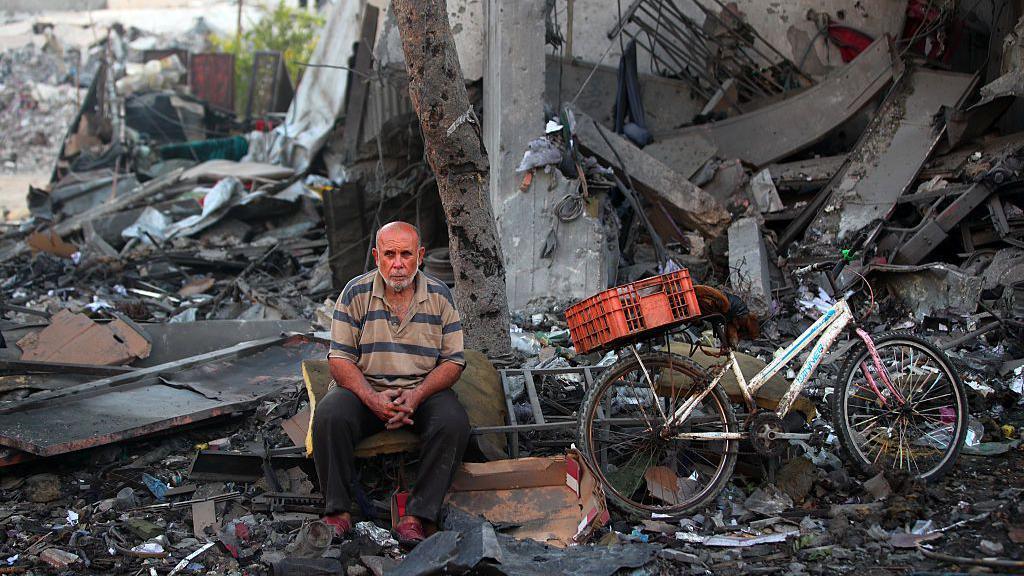
Gaza’s population of over 2 million civilians lives under catastrophic conditions with destroyed homes, infrastructure, and limited access to basic services. According to the Hamas‑run health ministry, more than 70,000 Palestinians were killed in the conflict, and UNICEF reports over 20,000 children lost their lives since 7 October 2023.
The proposal hinges on two core concessions: Hamas would hand over its weapons, and Israel would pull out of the occupied sectors. However, the sheer scale of destruction and the urgent humanitarian crisis complicate any venture toward peace.
Israel’s political climate adds another layer of anxiety. Prime Minister Benjamin Netanyahu faces a general election in late October, with credibility challenges and an ongoing corruption trial threatening his survival. His government insists on full disarmament as a precondition for withdrawal, yet it also continues to mobilise forces in the West Bank, encouraging settler activity that fuels further hostility.
On the other side, Hamas grapple with heavy losses—many senior leaders and fighters killed during Israeli operations—and the pressure of maintaining public support amid widespread displacement. The leaders of Hamas, including Khalil al Hayya, have shown willingness to adjust stance, thanks to significant diplomatic work from Egypt and Turkey.
The success of this initiative relies on incremental, confidence‑building steps and sustained diplomatic engagement to avoid any sudden shocks that could derail the process. The broader political context—Ukraine war, Iranian tensions, and other global crises—places additional demands on the United States and Israel to keep the plan moving forward.
Without a credible political horizon for Palestinians and a commitment to a sovereign future, the plan risks failing and fueling continued cycles of violence. A diplomatic breakthrough would benefit both sides, shifting focus from military confrontation to sustainable peace. Failure, however, would deepen the polarized narratives that fuel conflict and undermine prospects for lasting stability in the region.