In brief
Tata Group Chairman N Chandrasekaran announced he will not seek reappointment next February after a board dispute over a five‑year extension. The decision spurred a fall in shares of Tata companies and highlighted governance tensions that could influence climate initiatives. Tata is a key player in India’s industrial sector, engaging in carbon‑reduction plans and renewable investment. As the group faces business challenges such as the revival of Air India, stakeholders expect a new leader to keep its sustainability trajectory on course. The company’s dual non‑profit/ commercial structure underscores the complexity of aligning governance and environmental goals.
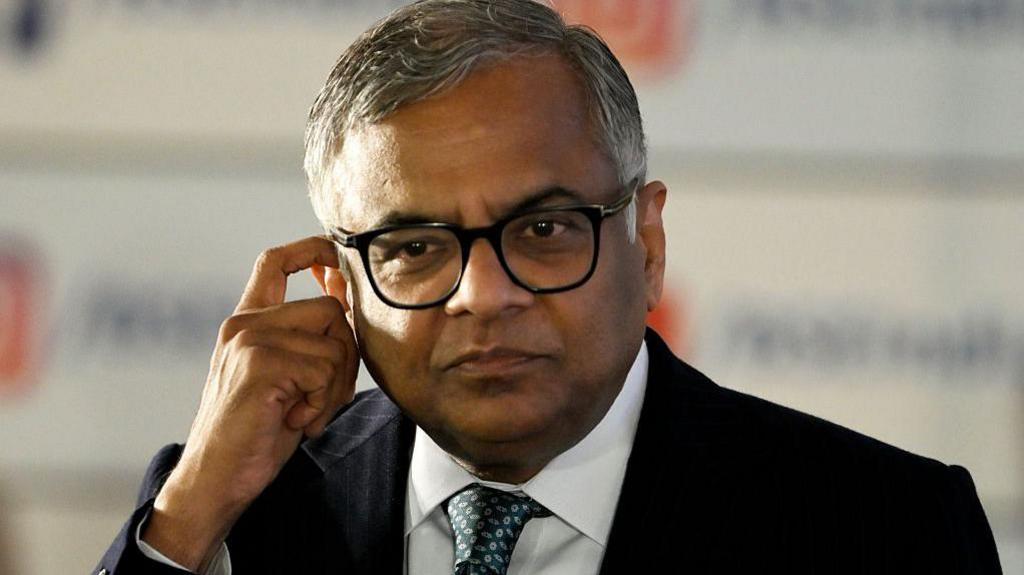
In a move that sent stock markets tumbling, the chairman of Tata Group, N Chandrasekaran, said he would not seek reappointment when his term ends next February.
The decision follows months of boardroom tension surrounding a proposal to extend his role, highlighting a friction between the group’s charitable trusts holders and commercial leaders.
The conglomerate, known for its steel and automotive ventures, continues to advance climate‑friendly projects. In 2023 it launched a plan to reduce carbon emissions across its factories and pledged to invest in renewable energy infrastructure.
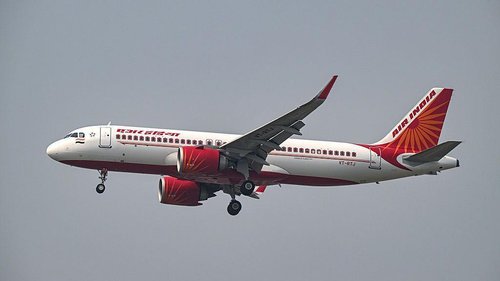
The leadership transition raises questions about who will steer Tata’s long‑term sustainability agenda, especially as the company faces financial pressures from ventures such as the revived Air India airline.
Stakeholders emphasize the need for clear governance to support the group’s ambitious emissions targets and to maintain investor confidence in a sector increasingly judged on environmental impact.
Tata’s dual structure – with its charitable arm controlling a majority of the parent entity – is often cited as a source of governance complexity that can affect strategic decisions related to climate commitments.