In brief
A previously unknown colobus monkey, now named Colobus congoensis, has been formally identified in Lomami National Park after a decade of elusive sightings. Its distinct pinkish‑orange lips and black face, confirmed by genetic analysis, set it apart from other African species. Researchers underscore the animal’s role in seed processing and warn that hunting threatens its survival. The discovery highlights the need for targeted protection measures for this secretive canopy dweller.
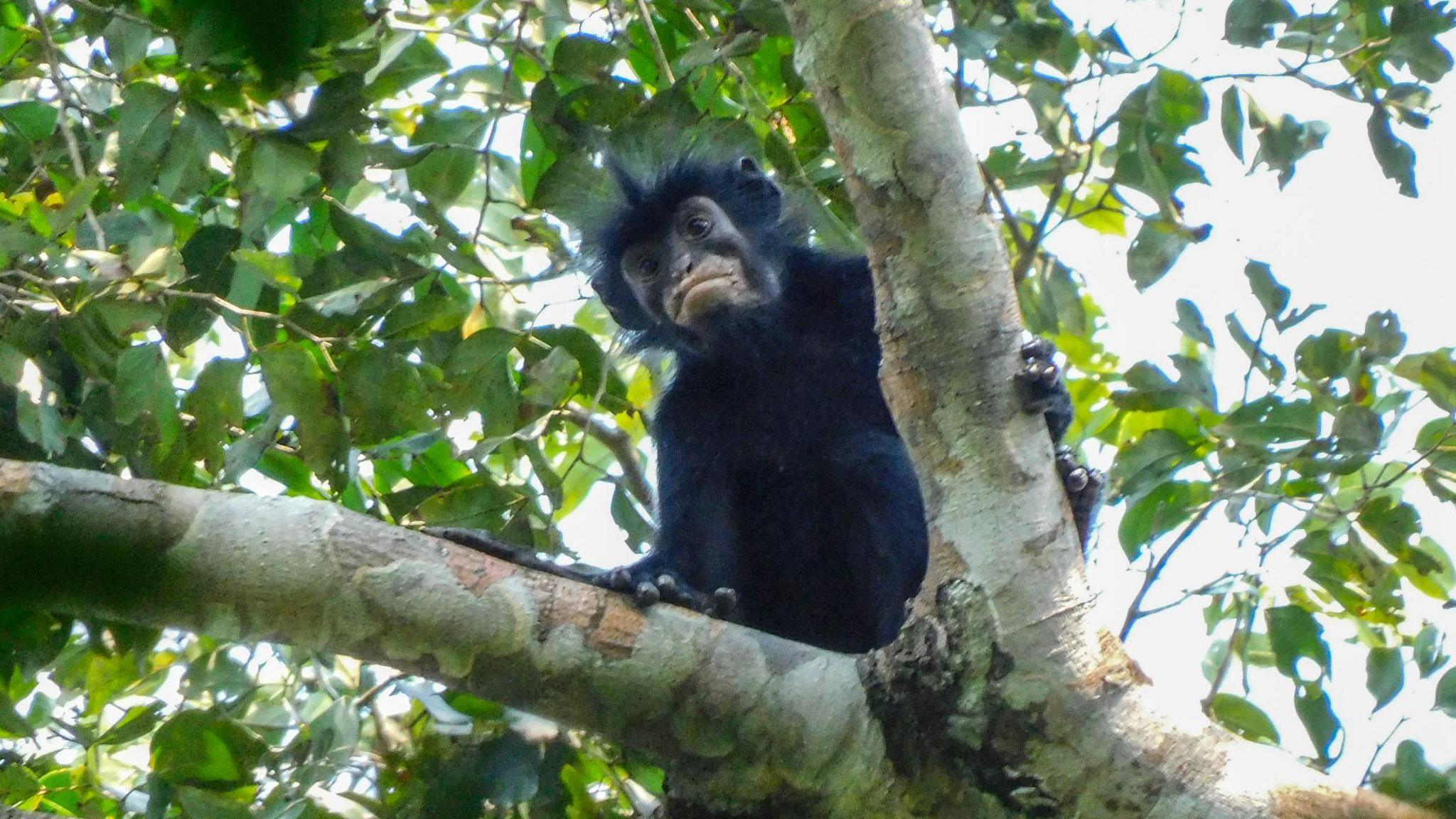
Scientists have confirmed that a previously unknown species of colobus monkey, now named Colobus congoensis, lives in the dense forests of the Democratic Republic of Congo.
The species was first spotted in 2008, but a clear photograph was not obtained until a decade later. An international research team – including scientists from the DRC, the United States and Germany – used audio recordings, photography and detailed genetic studies to establish its uniqueness.
Only eight of 52 villages surveyed reported encountering the monkey, which prefers to remain high in the trees and is often heard, not seen. Its vivid pinkish‑orange lips and black face are likely visual signals for mate attraction or inter‑species recognition.
Colobus monkeys are significant herbivores that help process seeds and facilitate forest regeneration. Researchers suspect that Colobus congoensis plays a vital role in seed germination and canopy maintenance.
Because the animal is hunted for meat, classifying it as a distinct species provides a legal basis for protection. The research team plans further surveys to estimate population size and study behaviour, aiming to secure its future within Congo’s protected areas.