In brief
In mid‑October a woman travelling from Uganda to Abuja tested positive for Ebola, Nigeria’s first case linked to the current Eastern outbreak. Health officials quickly isolated her, traced 44 contacts and urged calm as they investigate her travel history. The episode underscores how environmental alterations—such as expanding human encroachment and shifting wildlife corridors—heighten spill‑over risks amid a warming world. Nigeria’s earlier success in 2014, combined with new surveillance protocols, shows the importance of strengthening climate‑resilient health infrastructure to contain zoonotic threats. The nation’s response, coordinated with WHO, demonstrates a rapid containment strategy while highlighting gaps in travel‑related surveillance and cross‑border collaboration.
A woman who arrived in Abuja from Uganda tested positive for Ebola on 7 October, making Nigeria the first West African state to record a case linked to the current East African outbreak.
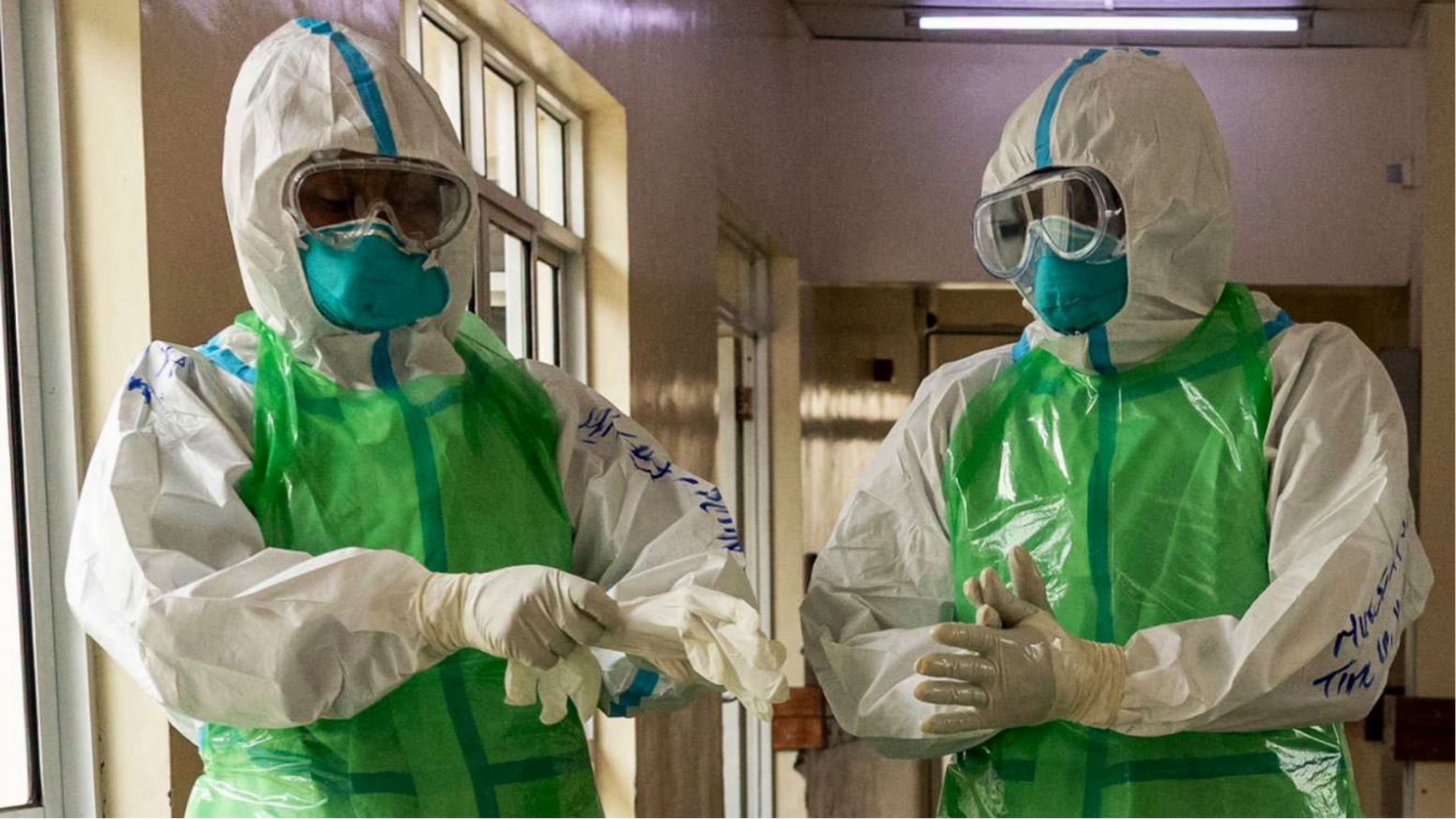
The patient, reportedly a diplomat’s wife, was immediately placed in isolation and is receiving care at a dedicated hospital. National authorities began contact‑tracing, identifying 44 close contacts in the week after her presentation.
Nigeria’s National Health Minister Muhammad Ali Pate confirmed laboratory results and stressed a calm, vigilant response, urging handwashing and sanitising. The country has implemented new travel‑declaration guidelines for travellers coming from regions with documented outbreaks, a move that highlights the link between trans‑boundary movement and disease spread.
Civil‑society experts note that the surge in Ebola cases in the Democratic Republic of Congo and Uganda is compounded by climate‑driven environmental changes—rising temperatures, deforestation and altered rainfall patterns—that increasingly bring wildlife, humans and livestock into closer contact. Such ecological shifts lower the threshold for zoonotic spill‑over events.
The outbreak also underscores how climate‑induced food insecurity and displacement can create conditions where communities lack adequate water and sanitation, further facilitating disease transmission. The WHO’s estimates for the current epidemic in Congo—over 9,500 cases and 4,600 deaths—serve as a stark reminder that climate change and infectious diseases are interconnected priorities.
Nigeria’s earlier success in 2014, when it contained an Ebola outbreak that claimed eight lives, demonstrates that robust surveillance combined with public communication can halt spread. Yet the new case reveals gaps in cross‑border coordination and the need for real‑time health‑data sharing.
Public health officials urge the public to cooperate with contact tracers and seek medical attention promptly if symptoms develop. In the wider region, Kenya has reported nine new infections, prompting the US to raise its travel advisory level and encouraging other nations to review travel‑risk policies.
As climate change continues to reshape ecosystems, the convergence of environmental and health governance becomes critical. Strengthening health infrastructure, improving disease surveillance, and integrating climate adaptation into public‑health planning are essential to prevent and contain future outbreaks worldwide.