The Uncertain Leadership of Iran Amidst Conflict
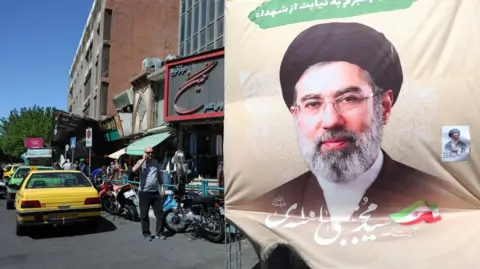
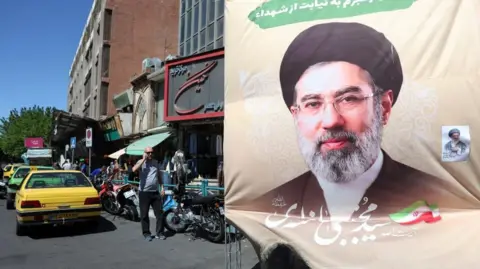
The ongoing war between Iran, the US, and Israel has left the nation questioning its leadership dynamics. Since the death of Ali Khamenei, his son Mojtaba has assumed the role of supreme leader, a position traditionally recognized as pivotal in directing significant state matters.
However, in practice, his public absence since taking power and reports of health challenges complicate the perception of effective governance. This absence raises significant concerns about the decision-making process in a time of crisis.
As tensions escalate, former US President Donald Trump has labeled Iran's leadership as fractured, hinting that the nation may struggle to present a unified response. Leaders within the Iranian government are attempting to project unity, emphasizing a collective national path over factional divisions, yet internal strife remains evident.
Mojtaba Khamenei: The Invisible Leader
Mojtaba has not publicly appeared or communicated extensively since his ascension. Iranian officials have admitted he sustained injuries during the initial conflict strikes, with few revealing the extent of his health issues.
This lack of visibility mirrors a broader trend within Iran’s political system, where authority typically relies on both institutional power and personal presence. The former supreme leader leveraged speeches and public appearances to convey intentions and stabilize internal factions. Currently, his son's absence has generated interpretive vacuums that complicate leadership and strategic direction.
As a result, power appears distributed among various actors, including military leaders and parliamentarians, diluting the centralized authority expected at this critical juncture.
Diplomatic Struggles and Military Control
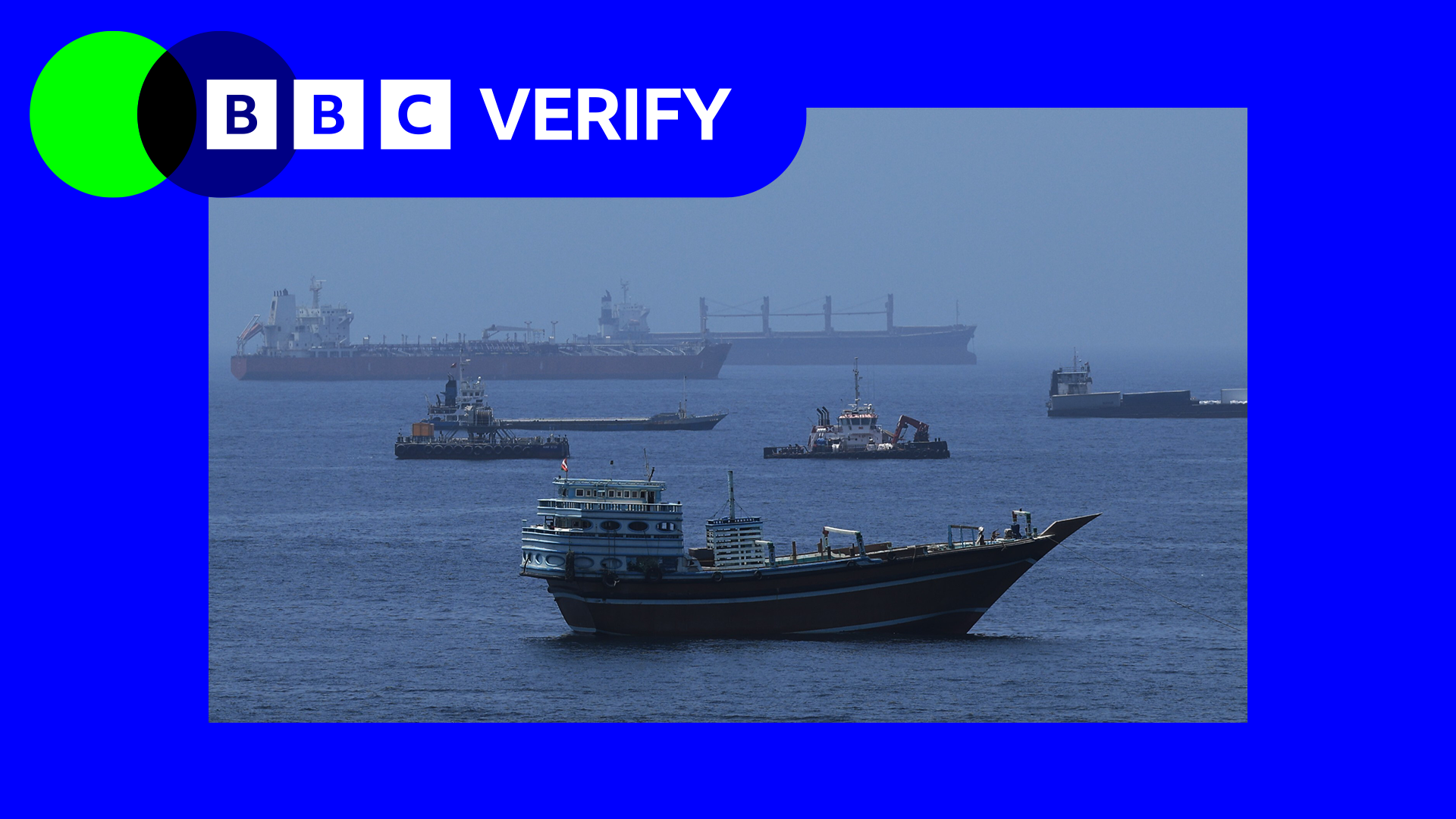
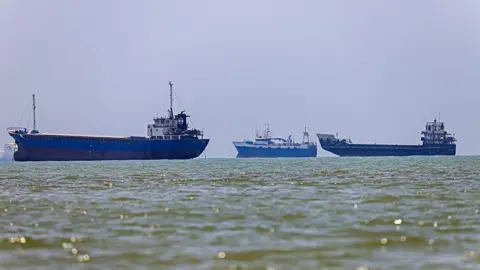
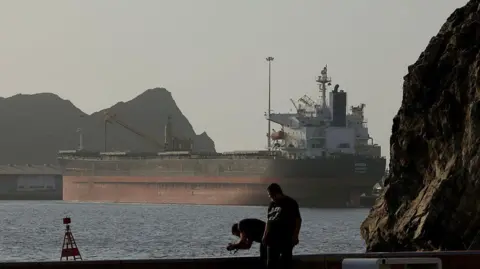
On the diplomatic front, Foreign Minister Abbas Araghchi represents Tehran in negotiations, yet his role seems less directive and more operational, complicating the perceived legitimacy of diplomatic efforts amid military actions. Meanwhile, key decisions, like those concerning the vital Strait of Hormuz, seem relegated primarily to the Islamic Revolutionary Guard Corps (IRGC), further evidence of a complex power dynamic at play.
Ghalibaf: A Surprising Figure in Negotiations
Mohammad-Bagher Ghalibaf, the parliament speaker and a former Revolutionary Guard commander, has emerged as a significant figure in aligning legislative efforts with ongoing humanitarian and military strategies. However, his prominence occurs amid a backdrop of resistance to negotiations, with hardline messaging dominating state media communications.
The situation reflects a dual narrative; while diplomatic channels exist, they often appear tentative, suggesting a system struggling to convert its military leverage into coherent strategic actions.
Overall, Iran’s political structure remains intact yet operates in a state of ambiguity, revealing a nation under pressure seeking to maintain control amidst a fog of uncertainty regarding its leadership dynamics.