In brief
Kenya has seen a spike in the illegal trade of giant African harvester ants, especially their queens, driven by the growing popularity of ant farming worldwide. These trafficked ants can fetch high prices on the black market, raising alarms about the ecological implications of their unsustainable harvesting and potential disruption to local ecosystems. Researchers and conservationists call for stricter regulations to monitor this unexpected facet of wildlife trafficking.
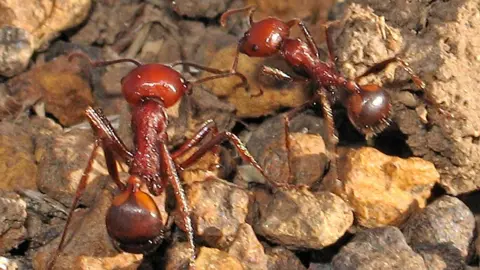
The ants are flying in Kenya at the moment. During this rainy season, swarms can be seen leaving the thousands of anthills in and around Gilgil, a quiet agricultural town in Kenya's Rift Valley that has emerged as the centre of a booming illegal trade. The mating ritual sees winged males leave the nest to impregnate queens, who also take flight at this time. This makes it the perfect time to chase down queen ants to sell on to smugglers who are at the heart of a growing global black market, tapping into the pet craze for keeping ants in transparent enclosures designed to observe the insects as they busily build a colony.It is the giant African harvester ant queens, which are large and colored red, that are most prized by international ant collectors – one can fetch up to £170 ($220) on the black market. A single fertilized queen can create a whole colony and can live for decades, often escaping detection during shipping.The illicit trade became evident last year when 5,000 giant harvester ant queens were found alive in a guesthouse in Naivasha, packed for transport to international buyers. Conservationists express alarm at the ecological repercussions, as unsustainable harvesting could disrupt local ecosystems and threaten biodiversity. The call for stricter regulations and monitoring has intensified in light of the trend, which many see as an overlooked opportunity for sustainable commerce in the wildlife economy.