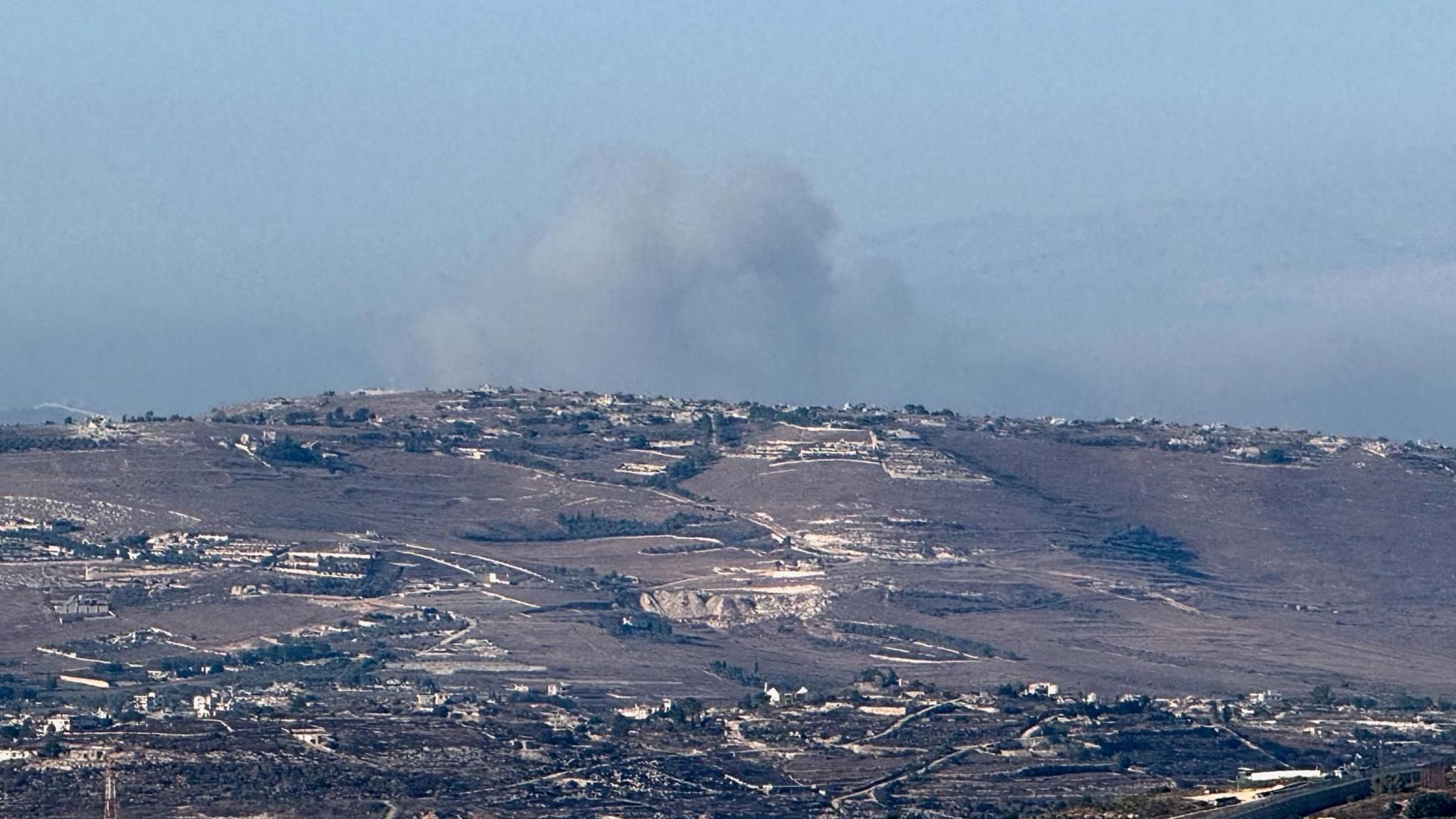
Impact on Local Ecosystems
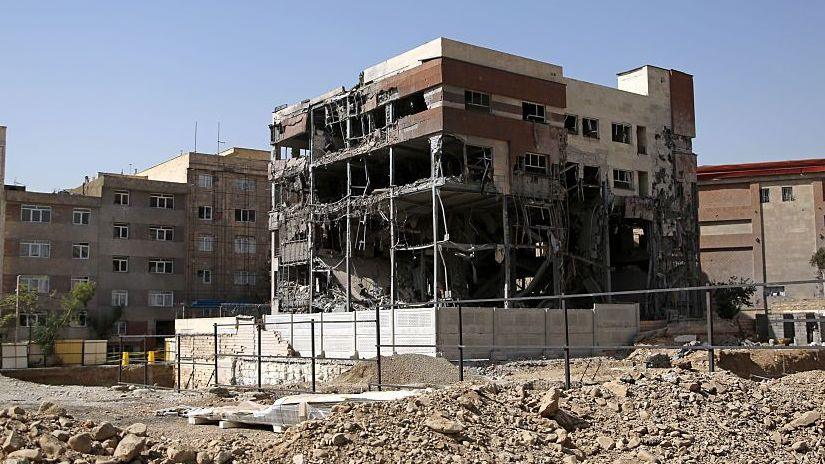
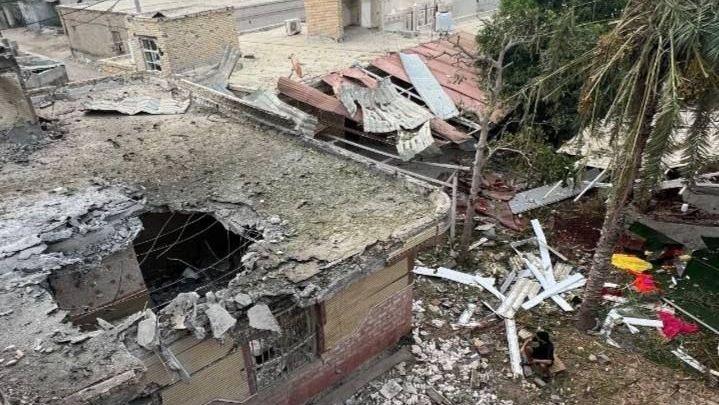
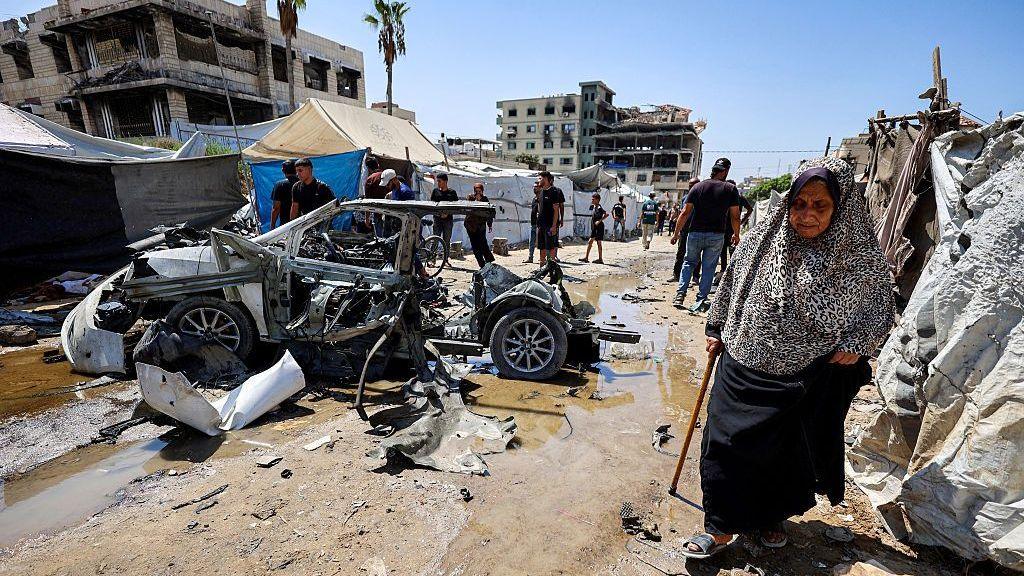
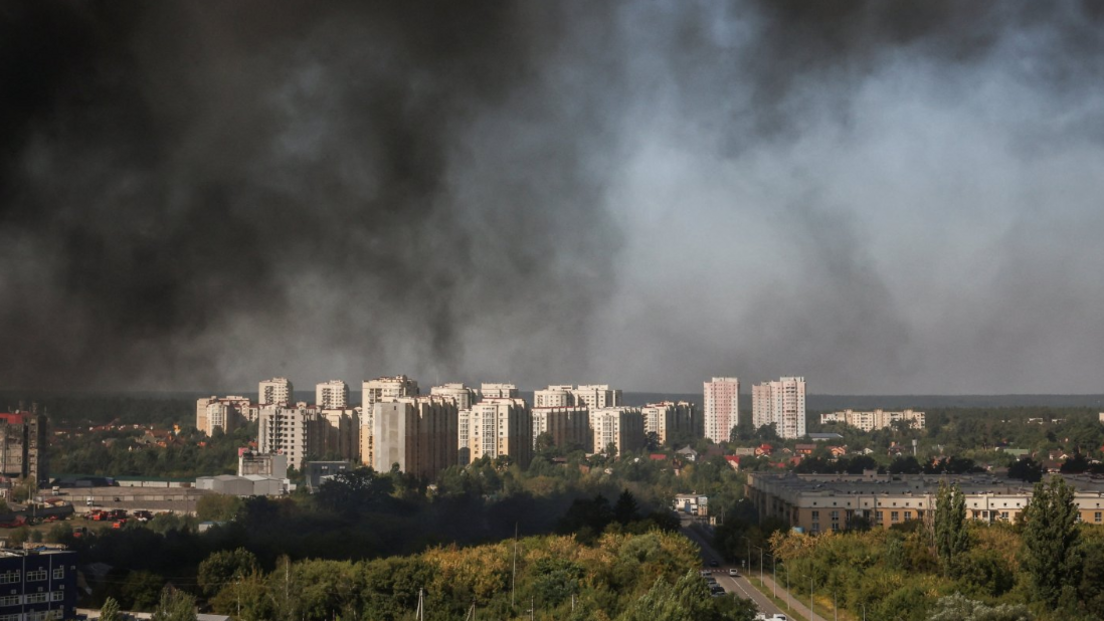
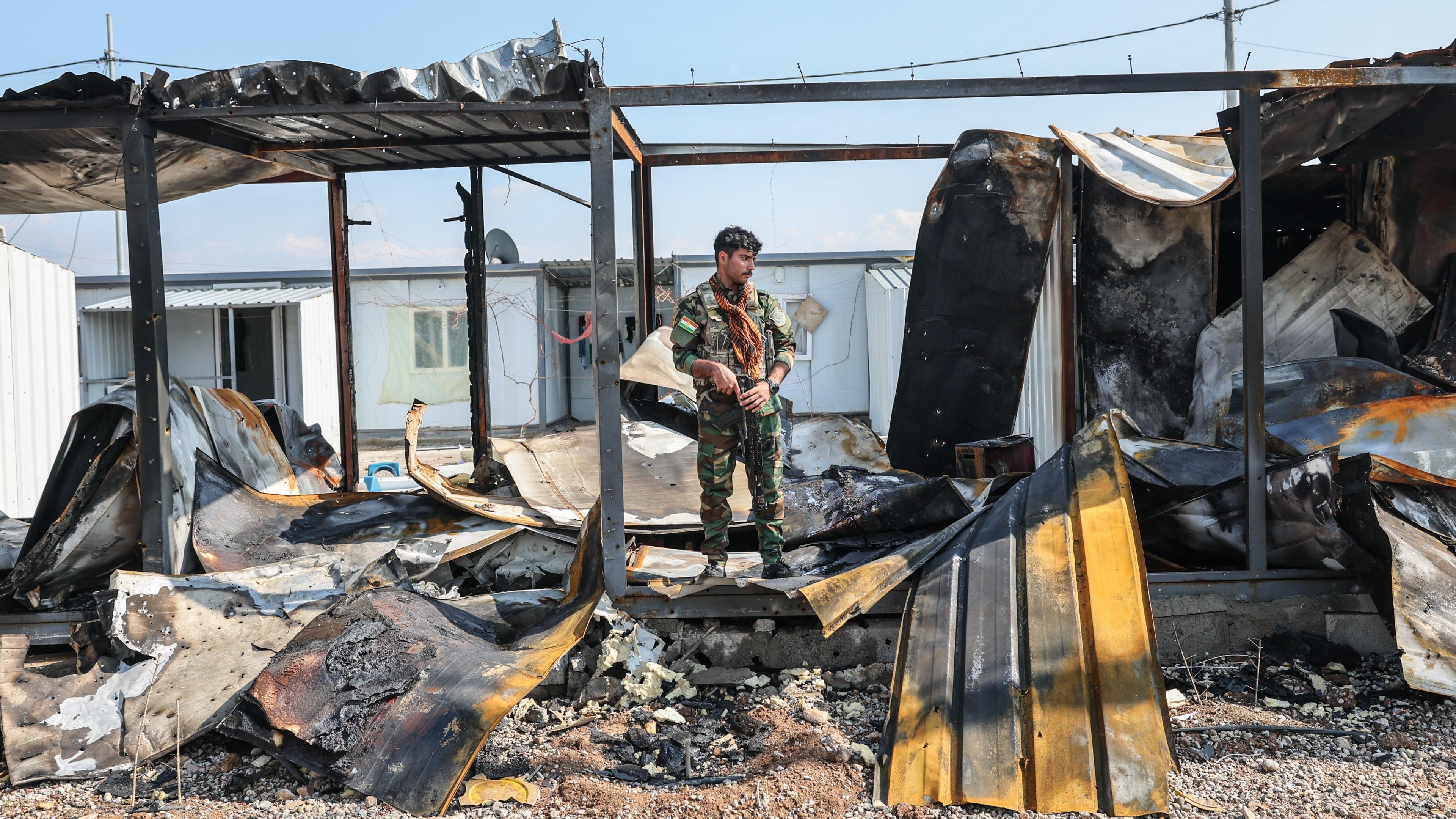
Israeli military strikes in southern Lebanon have intensified environmental degradation. The shelling of a prayer hall in Tibnin, a cemetery, generated substantial smoke, contributing to air pollution and potential greenhouse gas release.
Such events disrupt local flora and fauna, degrade soil quality, and threaten the region’s semi‑arid ecosystems, which already face water scarcity and rising temperatures.
Humanitarian and Environmental Displacement
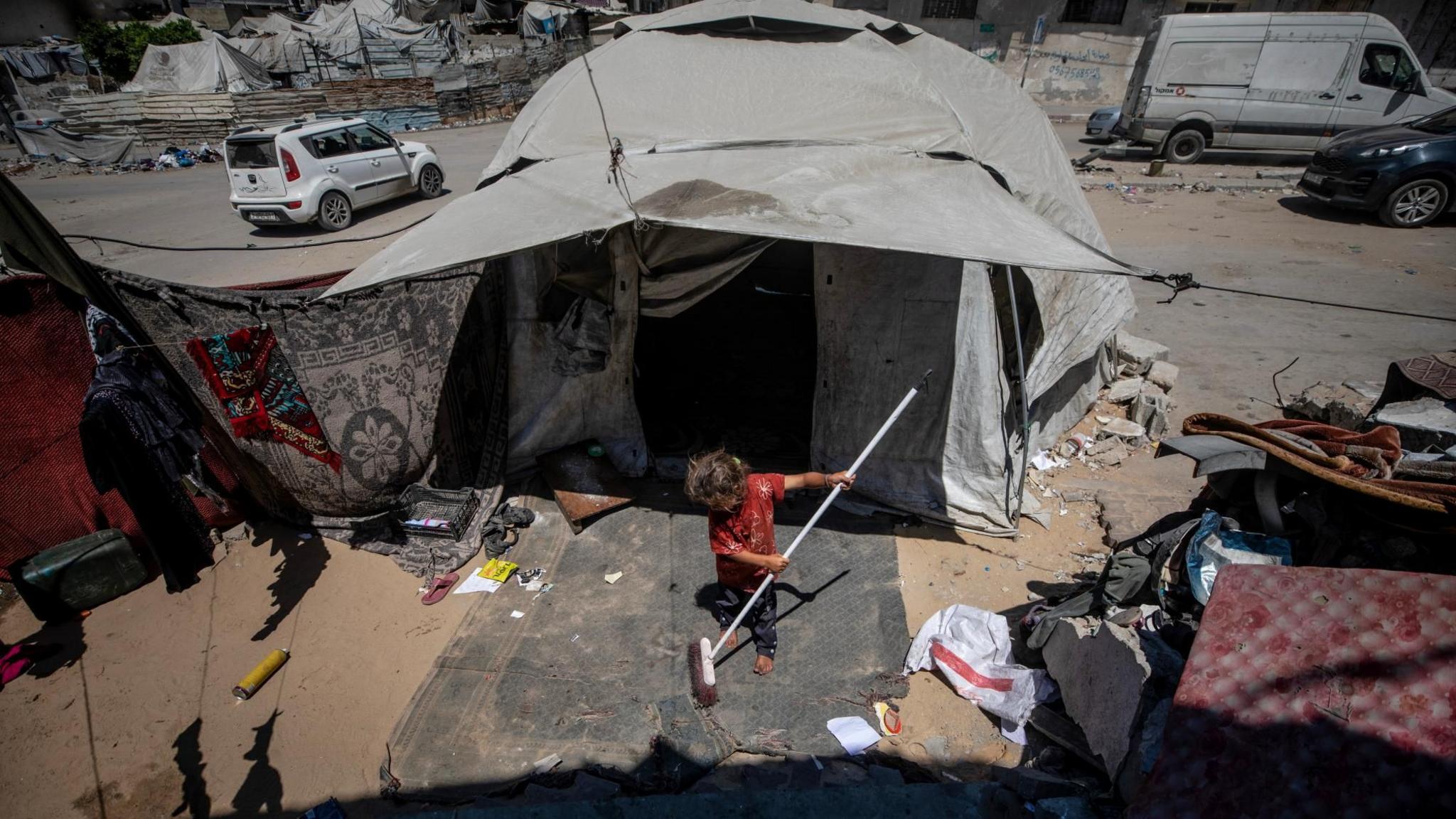
The United Nations reported that 820,000 people were displaced by the conflict, with 360,000 still lacking permanent shelter. The return of families to Mansouri after the 19 June ceasefire has been curtailed by renewed Israeli strikes, illustrating the link between human displacement and environmental stress.
Toward a Climate‑Aware Ceasefire
International talks in Rome aimed to maintain a ceasefire incorporate elements of ecological restoration. A trilateral framework was agreed in late June to gradually withdraw Israeli forces from occupied territories, exchanging military presence for the disarmament of the Iran‑backed group Hezbollah.
Hezbollah’s rejection of the agreement—citing violations of “red lines”—highlights a critical challenge: military strategies that ignore environmental sustainability risk renewed ecological harm and human suffering.