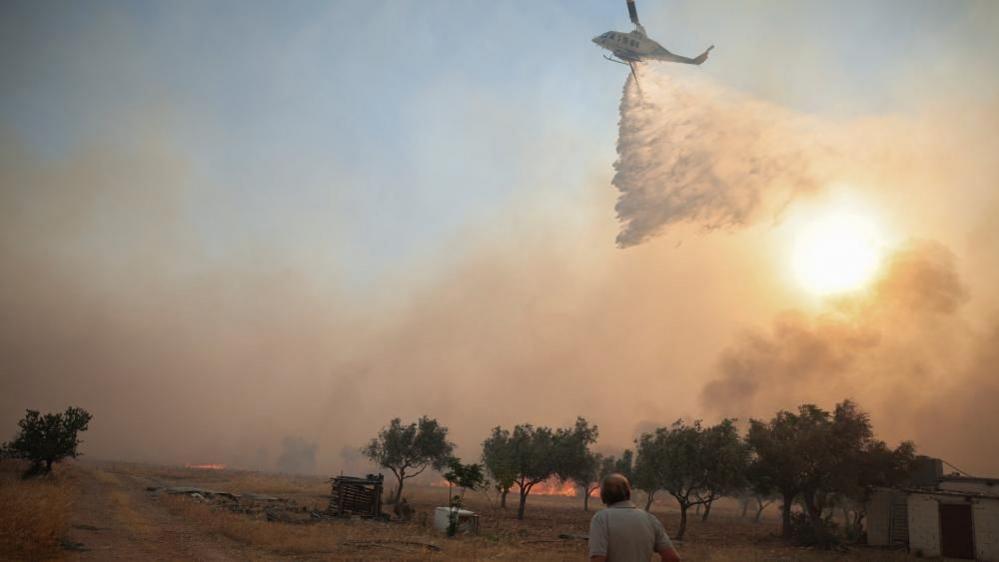
Two helicopters collided while fighting wildfires in Greece, igniting a fire that dropped them into a ravine. The mid‑air impact happened 65 kilometres west of Athens, leaving four crew members onboard; two were found unconscious and the others suffered light injuries.
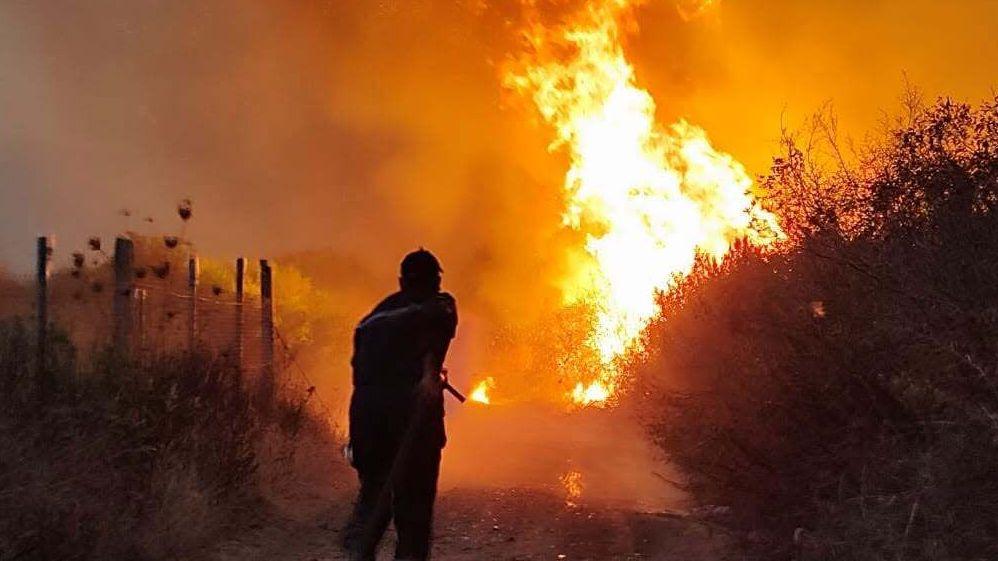
Greek media reported that the crew comprised two Greek and two Romanian personnel, who were later transported to the 251st Air Force General Hospital. The incident took place during a forest firefighting operation in the Psatha area, where over 500 firefighters have battled blazes for 72 hours.
The collision underscored the strain placed on firefighting assets amid extensive wildfire activity. This week, Greece has seen several large flares, and strong winds have hampered containment efforts, prompting mass evacuations.
Wildfires that spread across Europe this season—driven by heatwaves that dry out vegetation started during a mild, wet winter—demonstrate how climate change enlarges the fuel load, leading to more catastrophic fires.
Experts warn that the rising frequency of wildfires stresses aerial response capabilities and demands improved coordination, rapid communication protocols and investment in technology such as water‑dosing drones, real‑time satellite maps and heat‑resilient avionics. Strengthening these tools will help authorities better shield crews and protect ecosystems as climate change continues to intensify threats.