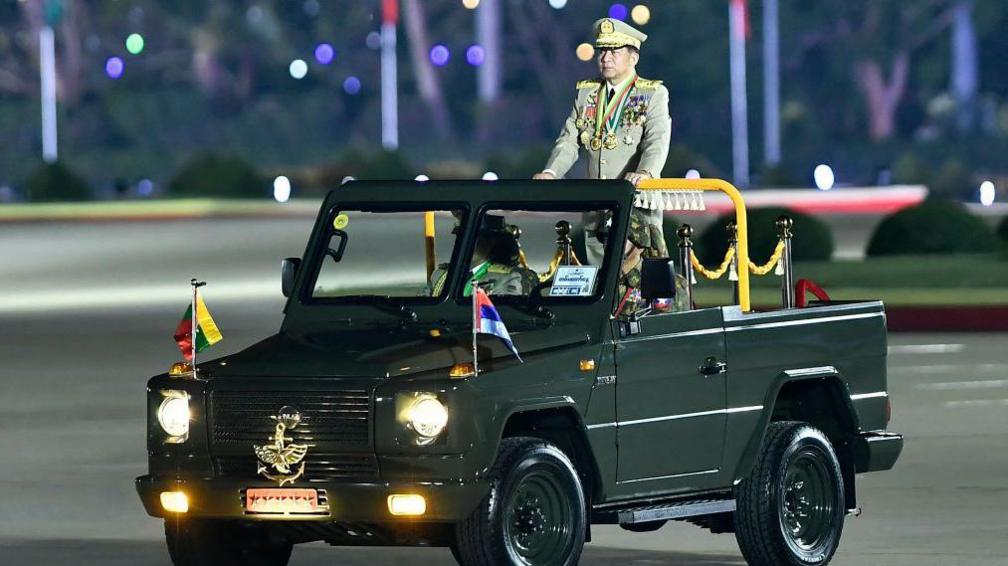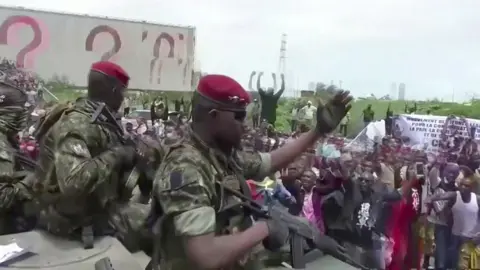
Mamadi Doumbouya, known for his imposing presence when he seized power in September 2021, is preparing to take over as Guinea's civilian president this Saturday. The 41-year-old former military leader won 87% of the vote in last December’s elections. While he casts himself as a man of the people, criticisms surrounding his approach to democracy and civil rights continue to surface.
After declaring a coup against ousted President Alpha Condé, a commitment to democratic principles was central to Doumbouya’s messaging. Now, however, former political rivals have been silenced, and several political parties banned, raising doubts about his claim to represent a free Guinea.
Doumbouya’s transition to civilian attire, such as tracksuits instead of military fatigues, is seen by some analysts as a way to distance himself from his military past while presenting himself as a civilian leader who prioritizes the people's welfare, a message supported by projects aimed at improving national infrastructure and education.
His plans for the Simandou iron-ore mine, which promises to bring wealth and job opportunities to the nation, stand as a significant focus of his administration. Yet, economic empowerment appears shadowed by ongoing human rights concerns, given the mysterious disappearances of activists and a controlled media landscape.
Doumbouya’s presidency may ultimately depend on whether he can efficiently harness Guinea’s vast natural resources for the benefit of its citizens, ensuring that he maintains the popular support that has been relatively consistent since the coup.