Warning: The following story contains graphic details of violence which some readers might find upsetting.
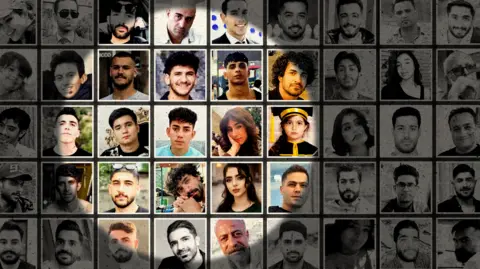
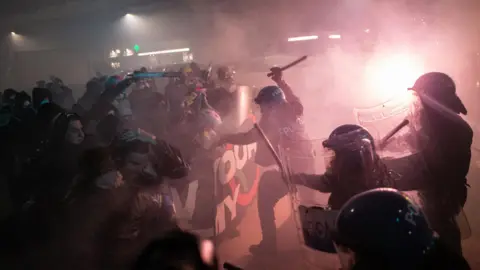
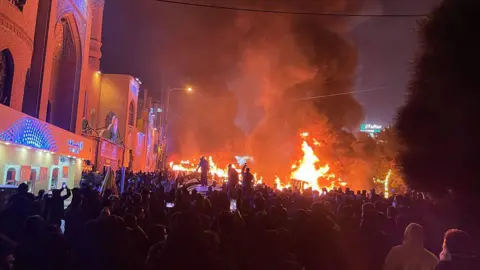
A BBC News Persian analysis of numerous videos and photographs from recent protests in Iran has confirmed that security forces employed a wide variety of lethal weapons, including machine guns, sniper rifles, and shotguns. Reports indicate that many protesters were killed across over 200 cities where demonstrations occurred. Although the exact death toll is unclear, the brutality displayed, along with eyewitness accounts and human rights reports, indicate that thousands have perished across the nation.
The violent crackdown, which began over economic grievances, quickly escalated into unprecedented violence in modern Iranian history. Payam Akhavan, a former UN prosecutor, has described this as the largest mass killing in contemporary Iran and one of the most significant globally.
The government has accused 'rioters and terrorists' of the killings; however, evidence from BBC News Persian shows that a range of weapons was employed against protesters, including:
- Machine guns
- Sniper rifles
- Assault rifles
- Shotguns
- Handguns
- Pellet-firing paintball guns
- Tear gas
- Machetes
- Knives
- Batons
- Large wooden clubs
- Green laser sights and pointers
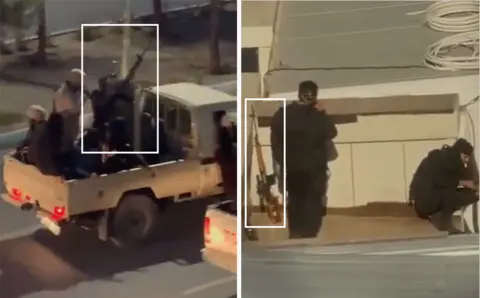
Footage from various cities has surfaced showing heavy machine guns mounted on military vehicles, used ostensibly for crowd control. Images from Tehran's Sadeghiyeh Square have revealed machine gun fire directed at civilians, and sniper rifles were documented on rooftops in Mashhad during protests. Eyewitness accounts corroborate these violations of human rights, reporting instances where smart ammunition was used against unarmed individuals.
The use of shotguns with metal pellets has led to a significant number of severe injuries, including permanent eye damage. Reports estimate that between 9 and 10 January, nearly 1,000 patients required urgent surgery for eye injuries inflicted during the demonstrations.
Violence escalated to a level suggesting strategic targeting rather than panic control, with the government deploying increasingly lethal force in a historical context of protest suppression. The tragic circumstances faced by protestors, including attacks with machetes and batons, echo in the ongoing discussions about human rights in Iran.
The disturbing reality of protests in Iran showcases not only the immediate human cost but also raises urgent questions about governmental accountability and the protection of citizens' rights in the face of state violence.