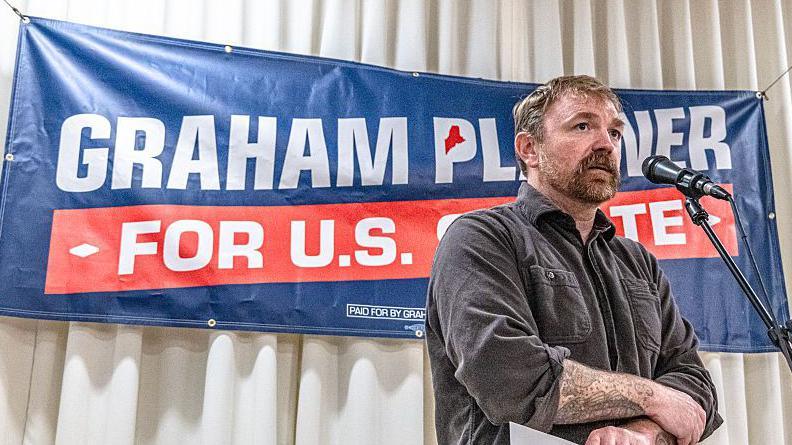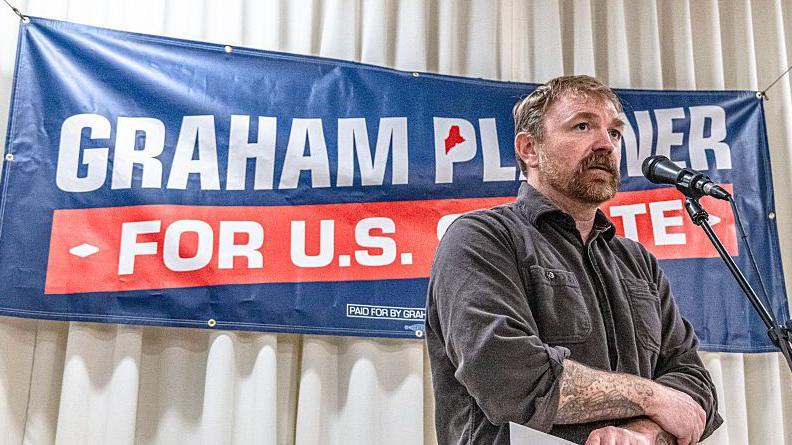
Graham Platner suspends Maine Senate campaign in wake of scandal
Maine’s front‑running U.S. Senate contender, Democrat Graham Platner, has halted his campaign after a woman accused him of sexual assault, ending his bid to unseat Republican Senator Susan Collins. Platner’s withdrawal followed the rapid withdrawal of key endorsements, including from Senators Bernie Sanders and Elizabeth Warren, and the cost‑cutting of the Democratic Senate Campaign Committee.
Platner—an oyster farmer and Marine veteran—drove his primary win with a populist mix of universal health care, affordable housing and a critique of party establishment. The allegations surfaced Friday, prompting top Democrats to call for a withdrawal and leaving the party scrambling to choose a replacement within the statutory deadline.
In an 11‑minute video posted to X, Platner denied the assault claims, stating they were “false” and that his decision was not an admission of guilt. He stressed that the down‑the‑line replacement process must be “transparent, open and democratic,” warning against back‑room decision‑making from Washington.
The Maine Democratic Party announced it will hold a convention in the next two weeks to select the new nominee. Delegates will weigh candidates such as former Governor Janet Mills, Secretary of State Shenna Bellows, and businessman Dan Kleban, among others.
The timeline is tight: under state law, Platner must officially drop out by July 13 to allow a replacement name to appear on the ballot. The shift threatens the party’s strategic plan to flip Collins’ seat, a key stepping stone toward Democratic control of the Senate in the November elections.
The scandal has also drawn attention to Platner’s prior controversies, including a tattoo that resembled a Nazi symbol discovered in 2024, remarks on social media about sexual assault victims’ responsibility, and admitted sexual messages with other women while married. These incidents earned him criticism from the state party and civil‑society groups.
With the plummet of support, Maine’s Democrats now face a tough choice: revive a new candidate that retains Platner’s progressive message or risk a decisive loss in a state deemed vital for a Senate majority shift. The unfolding situation illustrates how a single political crisis can reverberate through policy ambitions and mid‑term dynamics that hinge on environmental justice, climate policy and social equity.