In brief
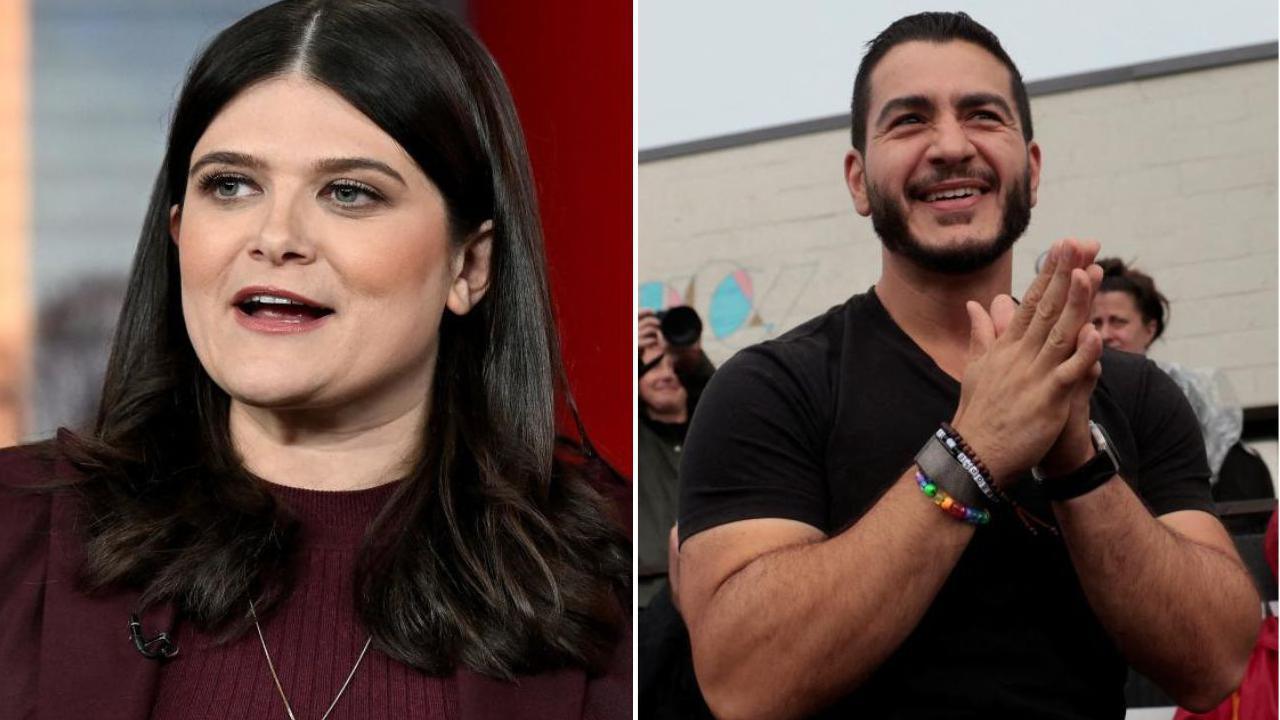
Abdul El‑Sayed, a left‑wing political outsider, has been projected to take Michigan’s Democratic Senate primary. His platform includes universal healthcare, ending ICE, and ending unconditional military aid to Israel—moves that could open doors to stronger climate and environmental justice policies in the Senate. If elected, El‑Sayed would be the first Muslim senator and could champion big‑ticket climate proposals such as clean‑energy mandates and carbon‑neutral goals for the Midwest. The outcome of this primary is therefore watched closely by those hoping U.S. politics will take decisive steps to curb climate change and protect vulnerable communities.
Abdul El‑Sayed, a former public health official and vocal critic of the United States Immigration and Customs Enforcement agency, has been projected to win the Democratic Senate primary in Michigan. His success comes at a time when the political landscape is reconfiguring, with a focus on climate‑sensitive policies gaining traction. El‑Sayed’s campaign has championed universal healthcare, the abolition of ICE, and the cessation of unconditional U.S. military aid to Israel — several positions that dovetail with a broader agenda for social and environmental justice.
The candidate’s victory heralds a new era where climate targets, such as carbon‑neutral goals for the Midwest and clean‑energy expansions, are likely to become integral parts of the legislative agenda. If elected, El‑Sayed would become the first Muslim U.S. senator and an advocate for blending public health with climate resilience.
Opponents, notably seasoned congresswoman Haley Stevens, have emphasized moderate policies aimed at protecting manufacturing jobs and maintaining U.S. aid to Israel. The electoral outcome will shape not only Michigan’s representation but also the broader balance of power on environmental and foreign‑policy issues, as Michigan remains a crucial swing state in national elections.
While the race prominently reflects intraparty splits on how best to address climate challenges, El‑Sayed’s platform already signals a push toward comprehensive U.S. climate, health, and equity reforms. His endorsement by prominent progressive figures—including Senator Bernie Sanders and Alexandria Ocasio‑Cortez—underscores the growing momentum for climate‑centric governance.
With Michigan’s Senate seat open as the incumbent retires, the stakes of this primary stretch beyond state borders. The electorate’s choice could determine whether the Senate moves toward more progressive, climate‑focused legislation in the coming legislative session.
Full story updated soon; please refresh the page for the latest version.