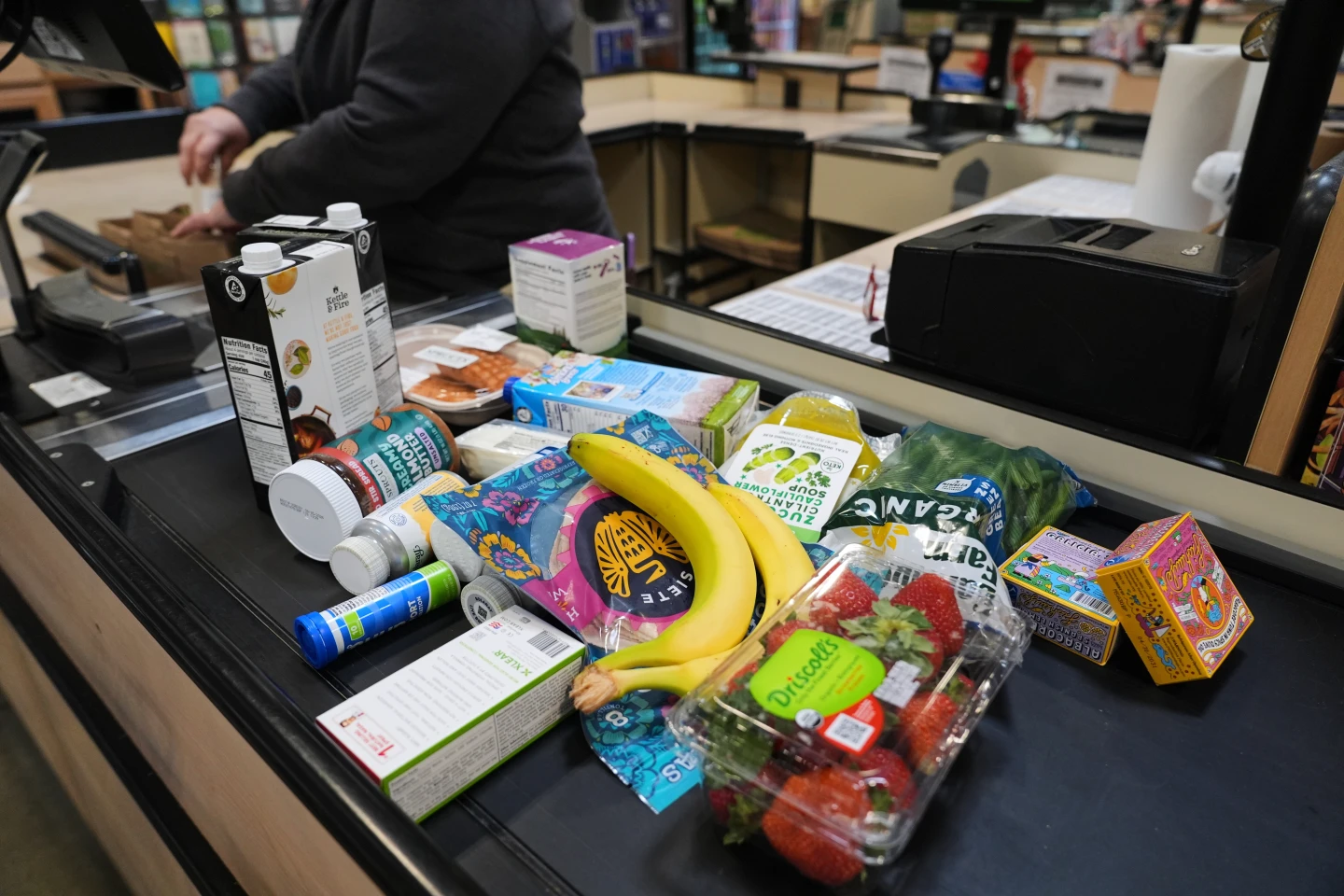
The decision of the U.S. Supreme Court and Congress regarding the Supplemental Nutrition Assistance Program (SNAP) funding is increasingly pressing as financial concerns mount for families across the country. With over 42 million Americans relying on SNAP for food support, the legal actions have created a patchwork of benefits, leaving many in dire situations.
As the Supreme Court prepares to rule on the Trump administration's request to block states from providing full SNAP benefits, beneficiaries in states such as Hawaii and New Jersey have received their full allocations. In contrast, those in places like Nebraska and West Virginia have seen drastic shortfalls, with some receiving nothing at all.
This is a critical moment, as the federal government shutdown has led to a freeze in funding, ultimately forcing states to navigate conflicting court rulings that dictate funding levels. In the wake of a series of contradictory decisions, the U.S. House is set to discuss legislation aimed at quickly ending the shutdown, which could provide relief.
The Ongoing Legal Tussle
The Trump administration's cuts to SNAP funding have sparked numerous lawsuits. Recent rulings have mandated that at least partial funding be provided, yet the administration has opposed full funding, emphasizing concerns over resource allocation for other programs.
The discrepancy in SNAP benefits is further complicated by the Senate's push to pass a government reopening bill that includes vital replenishment for SNAP funds. The lack of clarity around the legislation raises concern over how swiftly benefits might resume for those affected.
Urgency of the Situation
The varying responses among states and the legal back-and-forth have left beneficiaries in markedly different predicaments. For individuals like Jim Malliard from Pennsylvania, the pause in his SNAP benefits has resulted in heightened anxiety and limited food resources. As he cares for his wife and daughter, the struggle to stretch his remaining funds symbolizes the broader crisis many families face.
With the government's future decisions likely to shape the efficacy of SNAP in supporting low-income households, the urgency of achieving a resolution is clear. Americans depend on these resources for essential nourishment, and legislative clarity is imperative to alleviate the growing financial strain.