In brief
In Portland, conservation groups, Native American tribes, and the states of Oregon and Washington are in court seeking changes to dam operations on the Snake and Columbia Rivers. Following the collapse of a significant agreement that aimed to recover endangered salmon populations, advocates argue that the current operations violate the Endangered Species Act. The court hearing comes amid fierce opposition from the federal government and industry representatives over the potential economic impact of proposed changes.
PORTLAND, Ore. — Conservation groups, Native American tribes, and the states of Oregon and Washington returned to court seeking modifications to dam operations on the Snake and Columbia Rivers after a significant agreement with the federal government to support salmon recovery efforts fell apart.
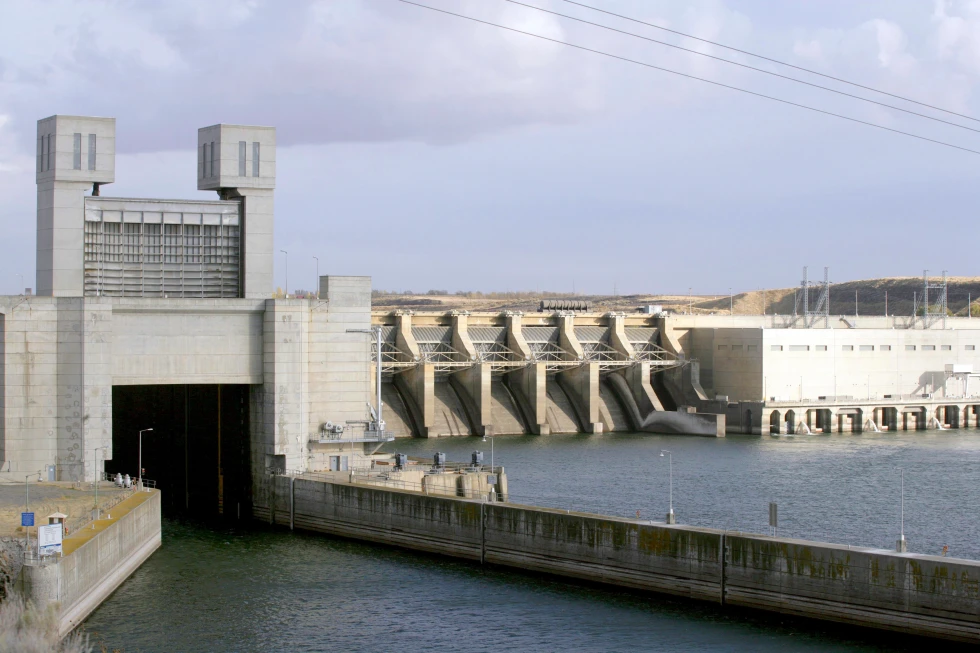
Last year's initiative, designed to allocate $1 billion over a decade for salmon restoration and the advancement of tribal clean energy projects, was dismantled by the previous administration, which labeled it as extreme environmentalism. The situation has reignited long-standing litigation regarding the operation of eight key hydropower dams.
During the hearing, U.S. District Judge Michael Simon remarked on the repetitiveness of the case, stating it felt like “deja vu.”
The plaintiffs assert that the government's current dam operations breach the Endangered Species Act, demanding modifications such as reducing reservoir water levels to facilitate fish migration and increasing spill rates to protect juvenile fish from passing through turbines.
Amanda Goodin, an attorney from Earthjustice representing the plaintiffs, emphasized the urgency of the matter, highlighting the imminent risk of extinction faced by salmon populations. Conversely, a federal attorney countered that the proposed changes may not yield the anticipated benefits for the salmon.
The legal struggle was reignited after the previous administration withdrew from the Resilient Columbia Basin Agreement, an accord that had previously stabilized litigation efforts from various stakeholders, including tribes and state governments.
The importance of salmon in the Northwest, both culturally and ecologically, cannot be overstated. The Columbia River Basin, once teeming with multiple salmon species, has been gravely affected by dam operations, pushing several stocks towards extinction. Efforts to amend dam functionality could provide a lifeline for the struggling fish species as they face ongoing habitat degradation.
As the court debates the potential future of the dams—essential for hydropower and navigation, yet detrimental to salmon populations—opponents of the proposed changes caution about the economic repercussions of altering dam operations.
Ultimately, the outcome could redefine the balance between energy production and ecological preservation, emphasizing the critical need to safeguard endangered salmon species for future generations.