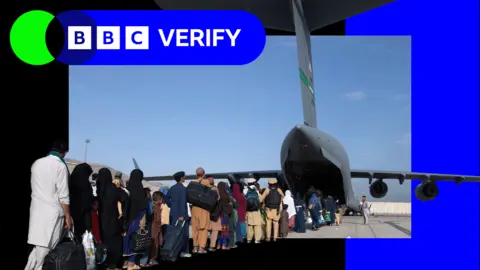
The recent shooting incident involving two National Guard members in Washington, DC, where one tragically lost his life, has rekindled the debate surrounding the vetting process of Afghan evacuees, particularly those who arrived under the Biden administration's Operation Allies Welcome (OAW).
The Department of Homeland Security (DHS) confirmed the alleged shooter, Rahmanullah Lakanwal, entered the U.S. through this scheme following the Taliban's takeover of Afghanistan in August 2021. Critics, particularly from the Republican party, have claimed that individuals like Lakanwal were not properly vetted before their entry into the U.S., leading to significant security concerns.
In response to the incident, DHS has suspended processing immigration requests related to Afghan nationals pending a review of their vetting protocols. This may have ramifications for thousands of Afghans currently seeking asylum or resettlement. The Trump administration has also utilized this incident to propose stringent immigration reforms, reiterating claims that lax vetting policies endangered American lives.
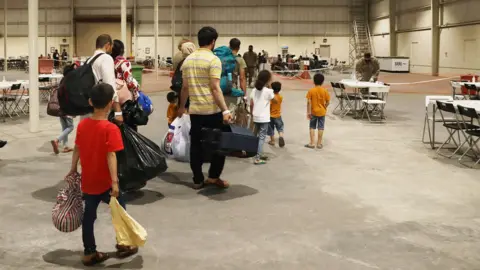
Operation Allies Welcome aimed to resettle vulnerable Afghans who faced persecution for collaborating with U.S. forces. The program reportedly involved a 'rigorous' vetting process, purportedly incorporating biometric data collection and cooperation among various government agencies, including the FBI and the National Counterterrorism Center. However, audits by the Office of Inspector General have flagged several issues, including inaccuracies in the identification of evacuees, potentially complicating the vetting effectiveness.
Several experts have weighed in on the discussions, underlining that vigorous vetting processes may not always guarantee future safety and highlighting the complexity of assessing individual risk amidst the backdrop of a chaotic evacuation. The debate continues as more individuals from Afghanistan adapt to life in the U.S., while ensuring that adequate measures are in place to safeguard national security.