In brief
Recent changes proposed by the Trump administration aim to weaken protections under the Endangered Species Act, potentially delaying conservation efforts for many at-risk species like the monarch butterfly and the Florida manatee. Environmental groups have voiced their concerns over these changes, fearing significant setbacks for wildlife recovery. The administration defends these modifications as necessary to ease regulatory burdens on industries such as oil and gas, raising a critical debate about balancing economic interests with environmental protection.
BILLINGS, Mont. (AP) — The Trump administration has introduced new policies to rollback protections for endangered species and their habitats. A notable change is the elimination of a 'blanket rule' that previously provided automatic protections for newly classified threatened species, thereby mandating case-by-case assessments instead.
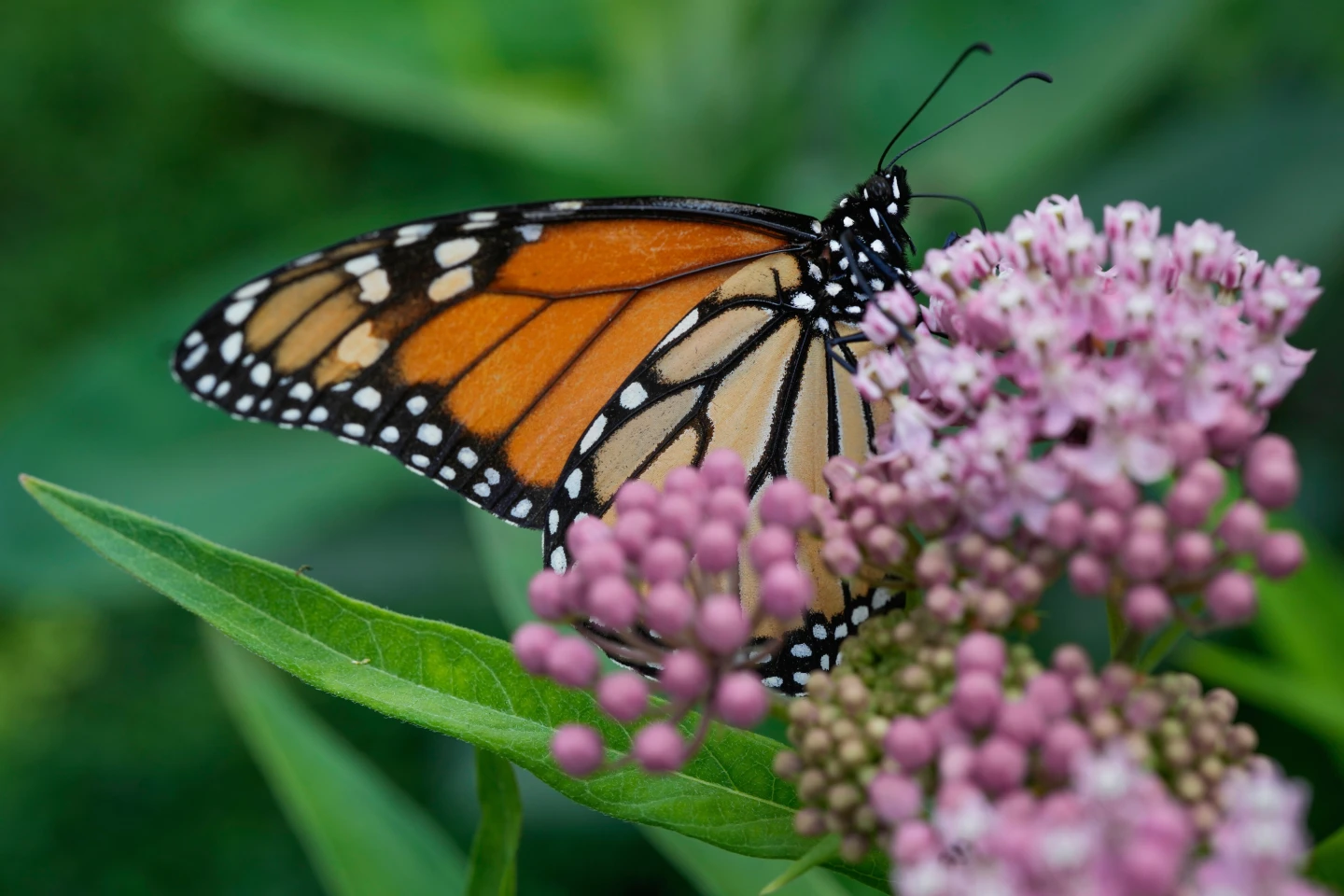
Environmental activists warn this could lead to significant delays in conservation efforts for species such as the monarch butterfly, Florida manatee, and others. 'We would have to wait until these poor animals are almost extinct before we can start protecting them,' said Stephanie Kurose of the Center for Biological Diversity.
The proposals come amidst a backdrop of global biodiversity loss driven by habitat destruction and climate change, reflecting a pressing need for robust conservation strategies. Critics argue that the rollback is a victory for corporate interests at the expense of environmental safeguards.
In defense of the modifications, Interior Secretary Doug Burgum stated that these changes respect the livelihoods of those reliant on land resources while aiming to restore the original intent of the Endangered Species Act. However, the potential economic implications of redesignating critical habitats have raised further concerns about the sustainability of these practices moving forward. 'This reform acknowledges the blanket rule’s unlawfulness and puts recovery back at the heart of the Endangered Species Act,' said Jonathan Wood from the Property and Environment Research Center.