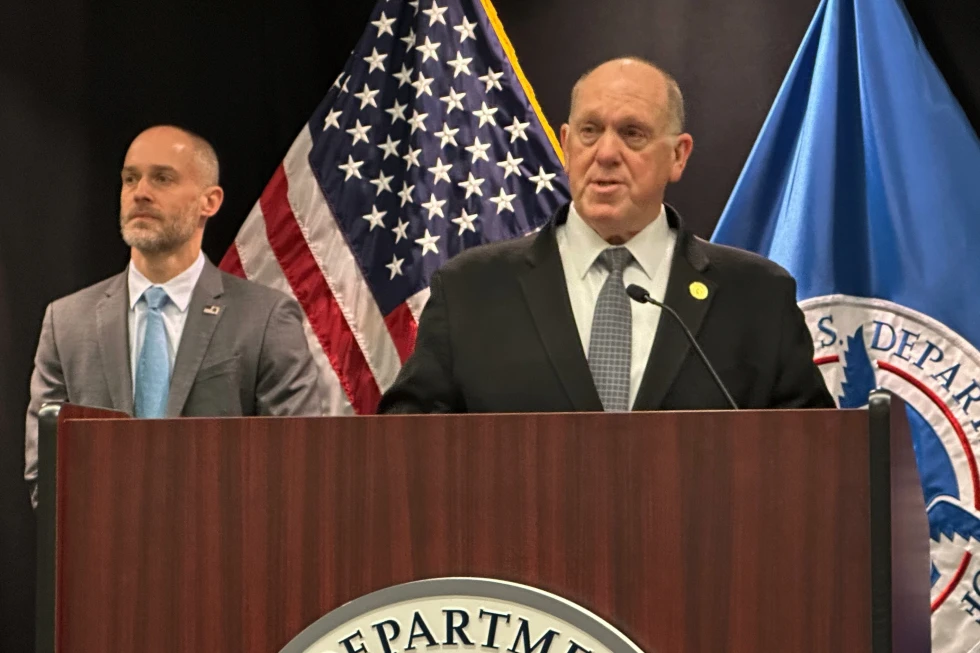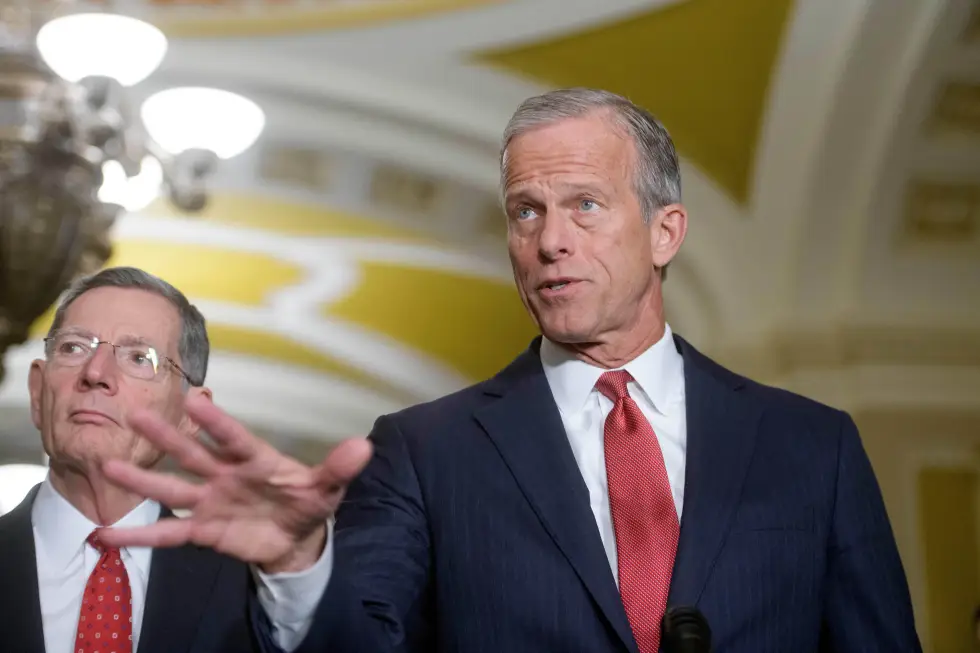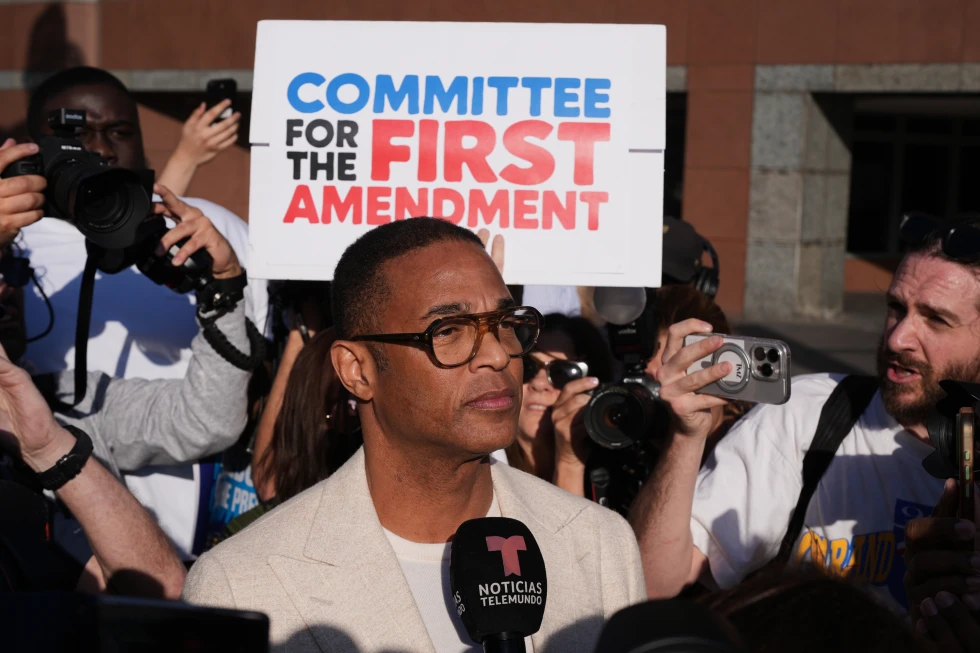
As the federal government moves forward with plans to significantly expand ICE detention facilities, local communities across the United States are mounting significant opposition. This backlash is largely fueled by contentious immigration enforcement practices, particularly following tragic incidents in Minnesota that have placed U.S. Immigration and Customs Enforcement (ICE) under the spotlight.
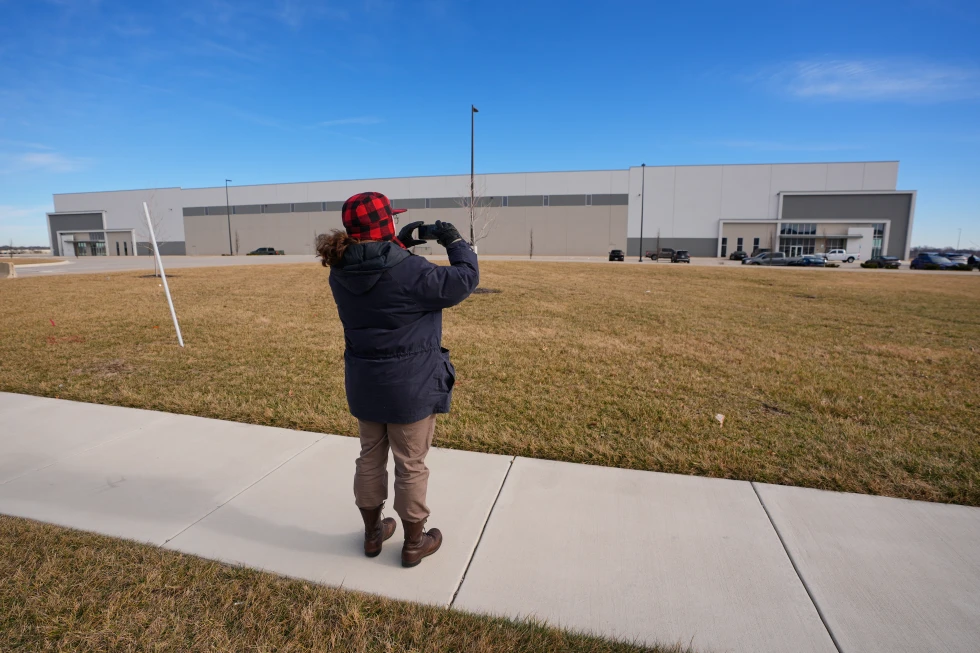
Recent public hearings and city council meetings have seen local officials and residents expressing deep concerns over proposed detention centers in their communities. For instance, a potential ICE facility near Richmond, Virginia, sparked tens of hundreds to voice their dissent at a recent Hanover County Board of Supervisors meeting. Resident Kimberly Matthews articulated the fears shared by many, questioning the safety and repercussions of introducing such a facility.
With more than 70,000 immigrants detained by ICE as of late December, the pressure on local authorities to respond has intensified. In reaction, Kansas City has initiated a five-year moratorium on non-city-run detention facilities, while officials in Oklahoma City and Salt Lake City have taken similar stances, barring property owners from leasing spaces to ICE.
Legislative efforts are also underway in several Democratic-led states to counter federal ice expansion. New Mexico recently passed a bill that bans state and local government contracts for ICE detention, while California is considering imposing a hefty tax on profits of companies linked to ICE facilities.
Despite mounting resistance, experts caution that local governments often have limited authority to entirely block ICE's operations due to federal preemption laws. Past legal rulings have established that while local governments can refuse to lease properties to ICE, they cannot completely prohibit private landowners from providing facilities for federal detention.
This landscape remains fluid as communities grapple with the moral implications of immigrant detention and rising tensions surrounding immigration policy. Local activists and elected officials alike are advocating for change, emphasizing the human impact of immigration enforcement actions.
The continuing dialogues in cities like Kansas City need to be watched closely as they may influence how immigrant detention regulations evolve nationally in a country resolutely divided over immigration policy.