 \
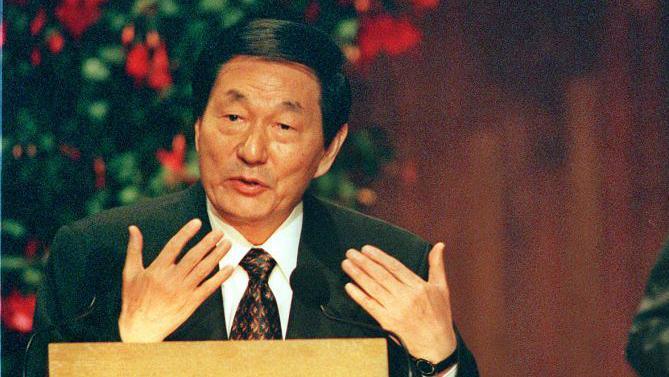
\Former Chinese Premier Zhu Rongji, who guided the nation into global trade and turned it into an industrial powerhouse, has passed away at the age of 97.
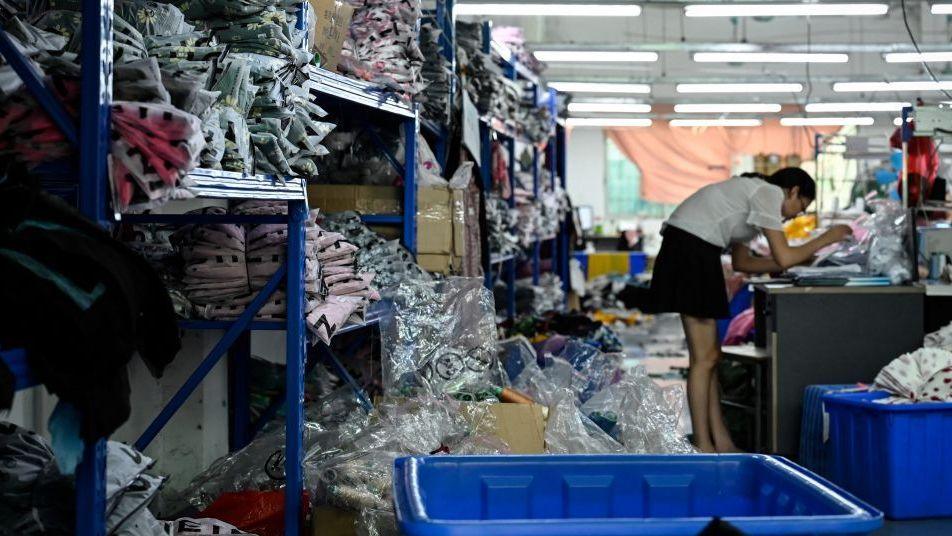
\From 1998 to 2003 he served as the country’s second‑highest office, steering China through negotiations to join the World Trade Organization in 2002 and opening vast numbers of factories to foreign investors. His policies moved local tax powers to the central government, shut or privatised failing state‑owned firms and sparked a wave of home‑ownership that bolstered consumer demand.
\Zhu earned a reputation for confronting corruption and pushing for accountability; he called rogue officials half‑wits and described the Yangtze flood dykes as flimsy. These sharp criticisms helped reduce corruption and stabilise the economy, but the rapid industrialisation that followed also deepened inequality and amplified China\u2019s environmental footprint.
\In state media his obituary called him an “outstanding member of the Communist Party” and a champion of national development. While his reforms sparked two‑digit economic growth, analysts increasingly note that the legacy of heavy manufacturing poses challenges for China\u2019s decarbonisation agenda and illustrates the tight nexus between trade, growth and climate change.
\Zhu Rongji’s death prompts reflection on the trade‑driven path China has taken and the urgent need to align that path with sustainable, low‑emission development. The legacy of his time remains a critical reference point for policymakers working to transform China’s industrial base into a greener, more resilient economy. \