In brief
Hundreds of people were swept from Gyirong Port, the major border crossing between Tibet and Nepal, in a flash flood that tore through the region. While global audiences saw the full damage in CCTV footage, China’s state media broadcast only a single still frame. The government’s tight restrictions on information have locked up survivors’ testimonies and news of missing persons, even as Beijing mobilises emergency forces. With Tibet’s history of political sensitivity, the silencing reflects a broader strategy to keep public order and depiction of state actions under tight control. International organisations are calling for full disclosure of disaster details and the whereabouts of the missing.
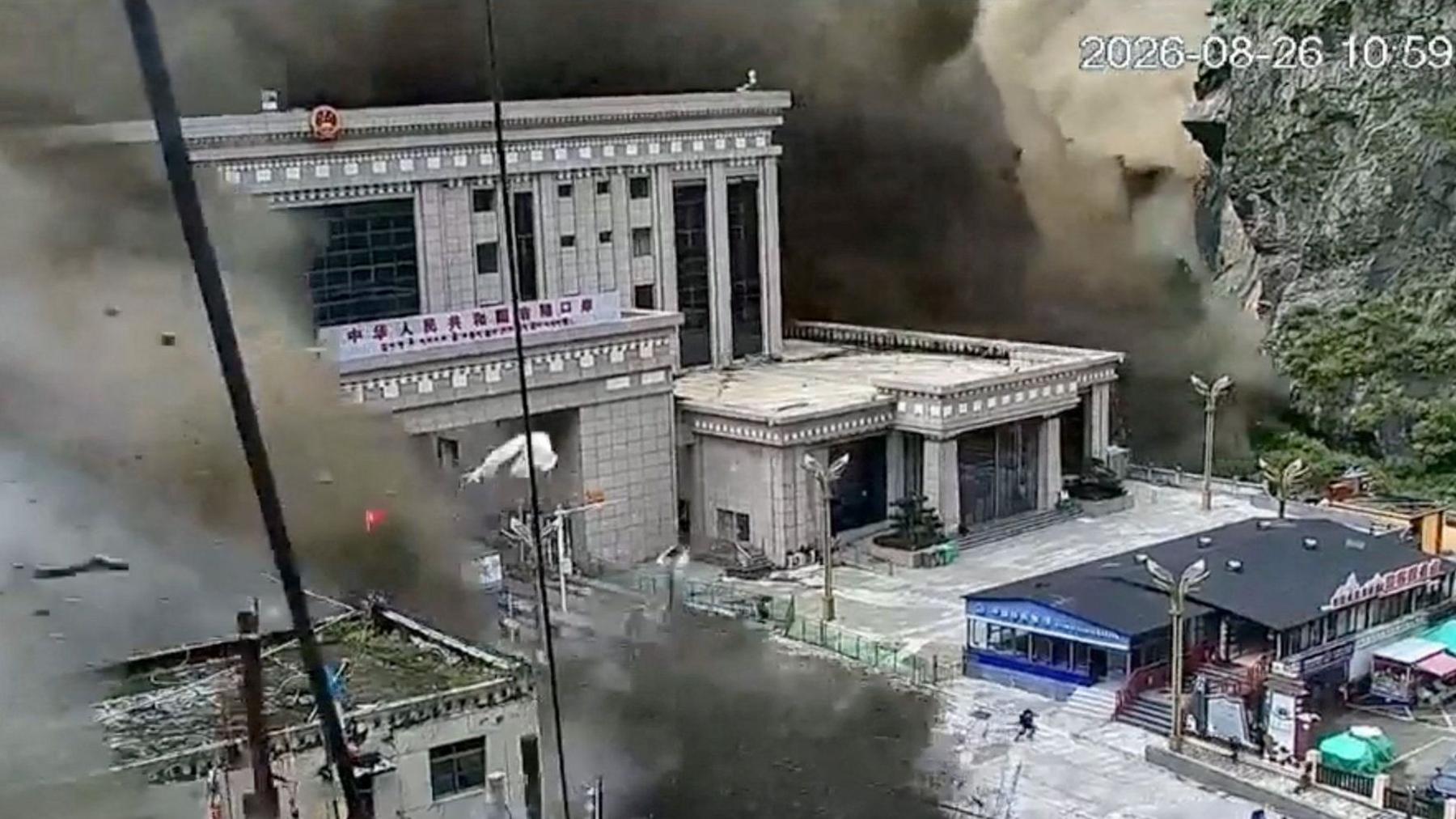
The torrent of water that carved through Gyirong Port, the major border crossing between Nepal and Tibet, could easily have been captured on camera and shared worldwide. The footage, recorded by CCTV cameras, shows hundreds of people fleeing for their lives as the flood sweeps buildings, roads and trees into icy churn.
In China, however, the flood was treated as a single still‑frame. State‑run channels quoted one photograph at the top of the day’s bulletin, and the full video was not available on domestic platforms. Even as social media around the world shared images and analysis, Chinese users find it nearly impossible to locate the original footage.
The lack of full recordings means there are no survivor accounts or unverified reports from the flood’s aftermath. Families of the missing are left in silence, and the media can provide only official summaries replete with rescue footage of teams cutting through mud and rock.
Beijing has mobilised hundreds of emergency workers and held emergency meetings with President Xi Jinping to coordinate a relief effort. Rescue teams have even travelled to Shigatse and other high‑altitude towns to battle the sheer scale of the disaster. Yet the content released by state broadcasters focuses almost entirely on dramatic rescue scenes, omitting details on casualties, locations of missing people, or long‑term impacts.
Policymakers fear that the tragedy could spark dissent in Tibet, where the Chinese Communist Party has long tried to suppress any expression of unrest or cultural identity. The Party’s overnight notice to local cadres demanded that they "maintain social order" and respond to the crisis, warning that failure could invite accountability. Tibetans who speak to reporters or post online risk detention, complicating efforts to understand what is happening inside the region.
International civil‑rights groups, such as the International Campaign for Tibet, are demanding that Chinese authorities disclose complete and verifiable information about the damage and casualties. While Beijing touts investments in tourism and regional integration, the truth of how many are still missing and where they may have been is locked behind state censorship.