In brief
A 100‑year US‑Venezuela oil agreement now grants control of 65 billion barrels of crude, sparking heated discussion over the planet’s carbon trajectory. While the deal offers massive financial inflows for Venezuela, it raises concerns about renewed fossil‑fuel extraction, potential carbon‑capture costs, and the risk of deepening geopolitical inequality that could sideline environmental priorities. Experts argue the deal’s "two‑to‑three‑year" profit timeline is unrealistic given Venezuela’s decimated oil infrastructure, and that this out‑right wealth hand‑over may create a new era of colonial‑style resource exploitation. The narrative behind the partnership is not merely economic — it shapes the region’s energy future and directly impacts climate‑action goals worldwide.
In a highly‑publicized ceremony in Caracas, a US‑led consortium will now oversee the production of 65 billion barrels of Venezuelan oil for the next 100 years, a deal considered the biggest in oil history.
While the agreement promises $100 billion in investment and $200 billion in tax revenue for Venezuela, it likely will also entrench continued extraction of fossil fuels, undoing the region’s well‑intentioned shift towards cleaner energy. Analysts and environmental activists point out that the oil sector’s current state — of decades of mismanagement and neglect — will require enormous capital to restart production sustainably, enough to account for deforestation, methane‑leakage, and the energy needed for future carbon‑capture initiatives.
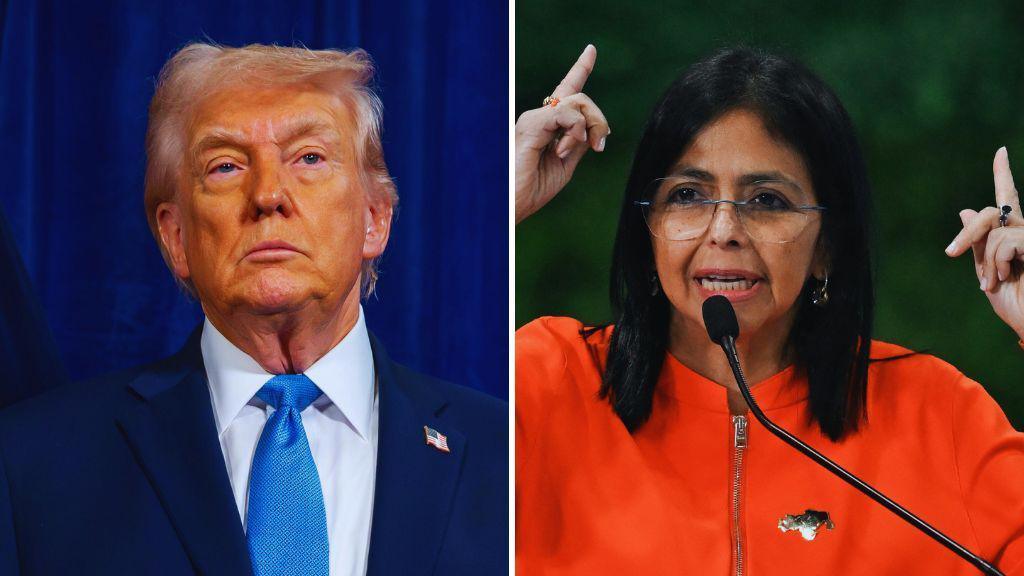
President Trump’s ethos of securing energy independence for the West was borne out in the concession now signed with Venezuelan Vice‑President Delcy Rodríguez. Yet the unilateral front‑bench control granted to a private US company, together with “veto power” over board appointments, raises questions about governance and the potential perpetuation of power imbalances that can undermine democratic oversight and environmental accountability.
Internal energy experts from the Baker Institute predict a decade, not two or three years, is needed to return Venezuelan oil production to levels seen 30 years ago. They highlight the urgency: “Without massive federal and private investment, we risk falling back into high‑emission extraction with no viable carbon‑capture strategy.”
Beyond economics, the deal ignites a heated debate among Venezuela’s opposition, environmentalists, and international human‑rights observers. They view a new colonial dynamic that may favor a capitalist agenda over a nation's sovereignty and environmental stewardship.
From a climate perspective, the deal offers a forked path. On one hand, U.S. expertise could help re‑engineer Venezuela’s oil facilities with advanced carbon‑capture technology and cleaner refinery practices; on the other hand, a long‑term reliance on oil will invariably lock in significant greenhouse‑gas emissions, undermining global 1.5‑degree targets.
The coming years will reveal whether the 2026 agreement can shape a double transition: a move away from neocolonial fossil‑fuel politics and toward a future where climate‑safe extraction and green investments are balanced and transparent.