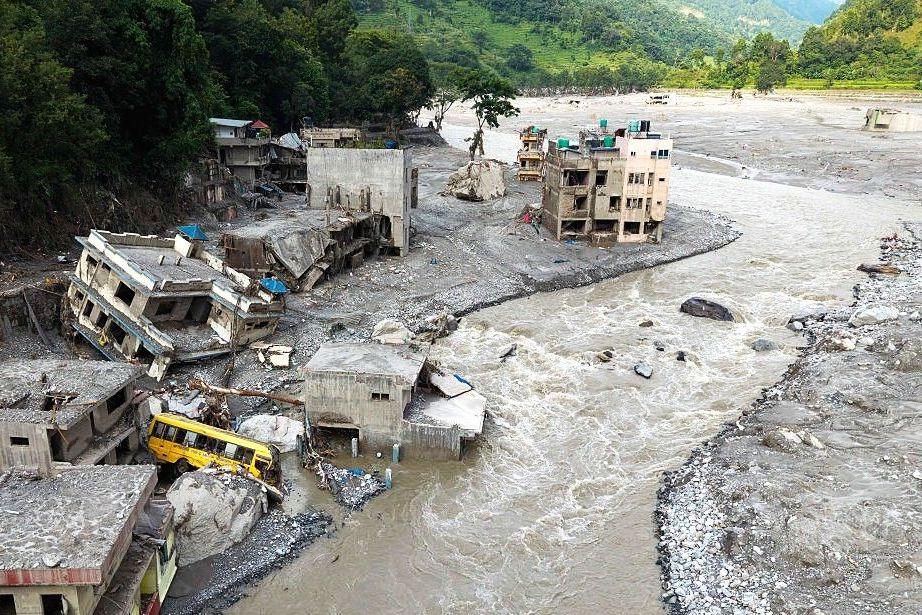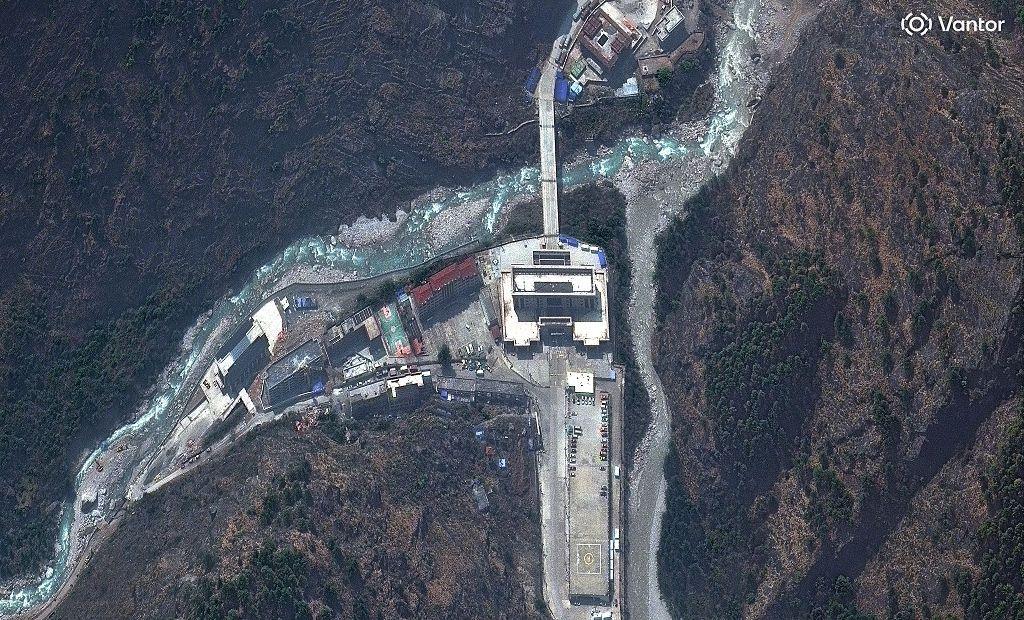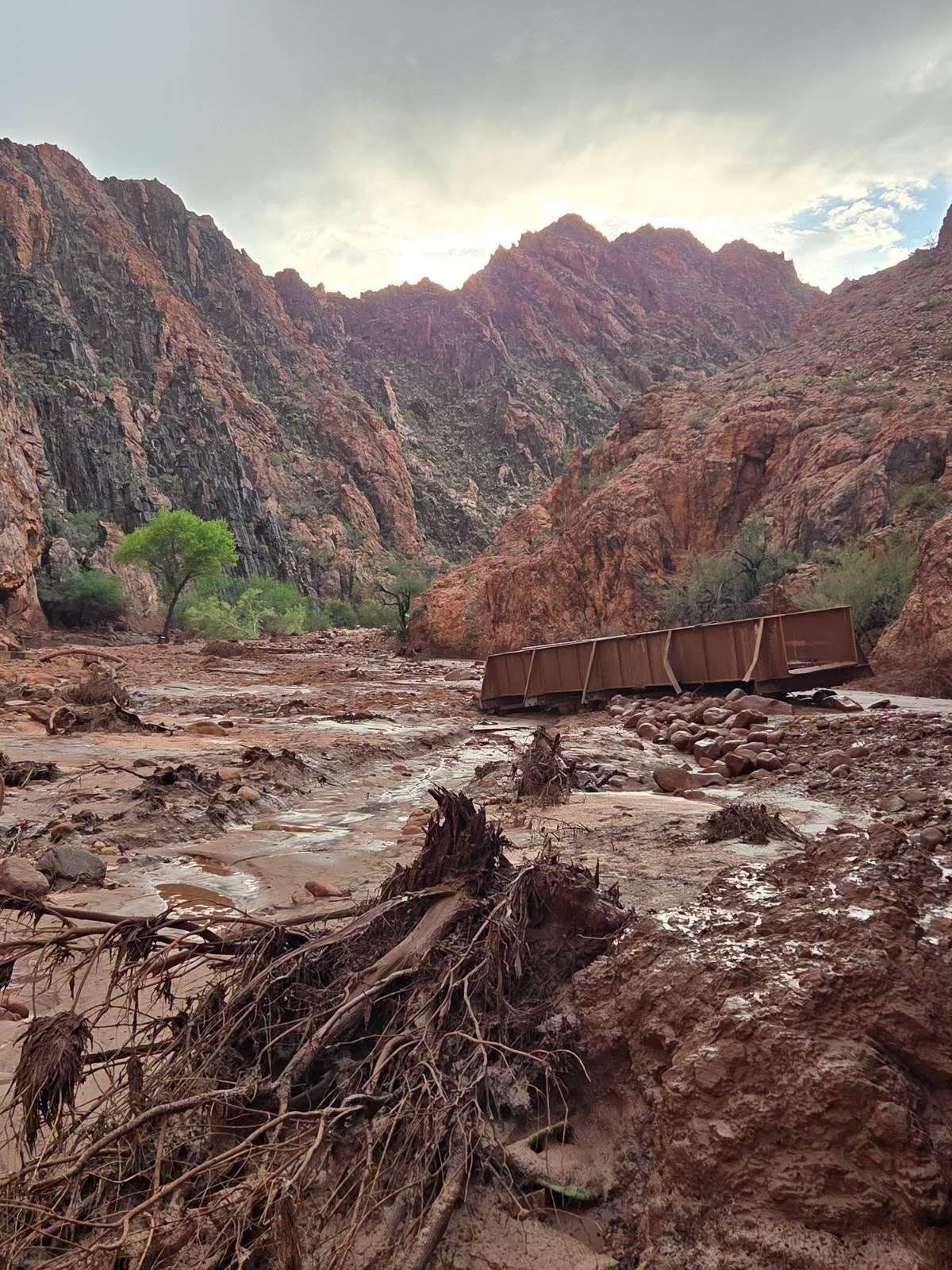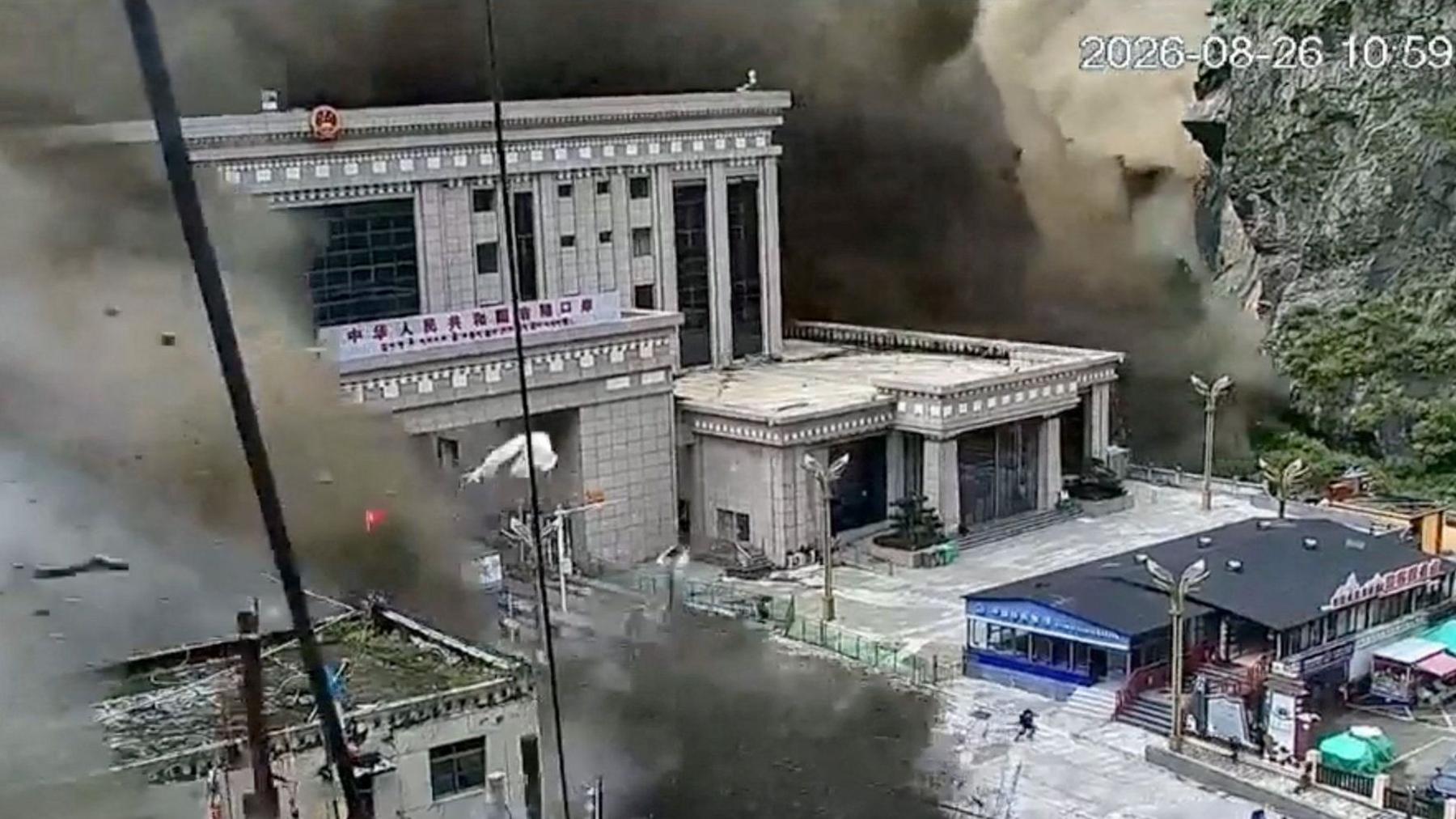
In the early hours of 28 August 2026, a flash flood swept through Gyirong Port, one of the principal border crossings between Nepal and Tibet. The torrent was captured on CCTV, showing people sprinting to higher ground as mud‑filled water surged past villages and debris‑laden roads.
Within a few days, the footage went viral on global social media, prompting images of chaos, rescue helicopters, and survivors’ frantic calls for help. In China, however, the state‑run broadcaster has shown only a single still frame on its main bulletin, and the rest of the video has been scrubbed from the internet. Searches on domestic platforms return nearly nothing, and Twitter or other international feeds are blocked in the country.
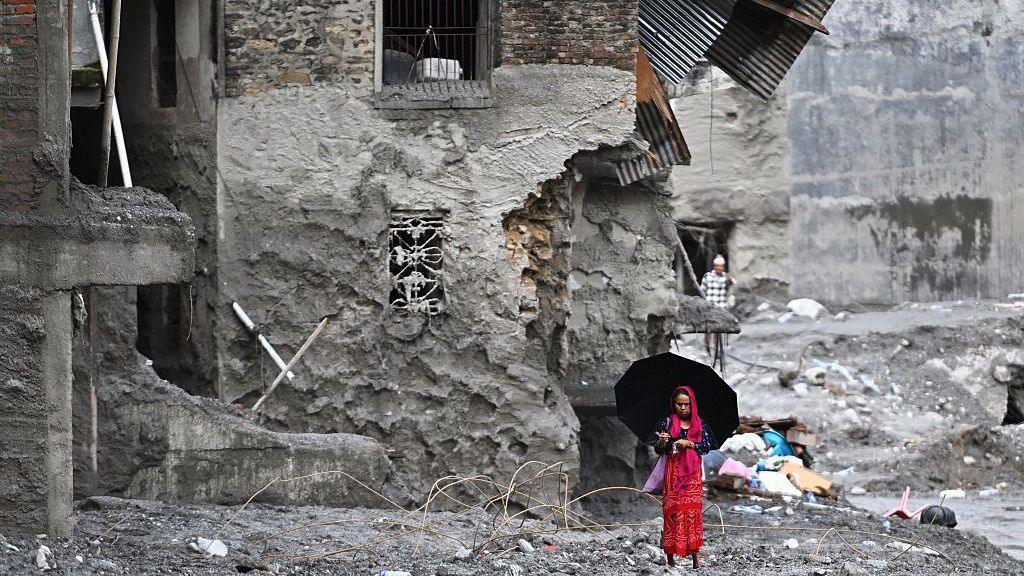
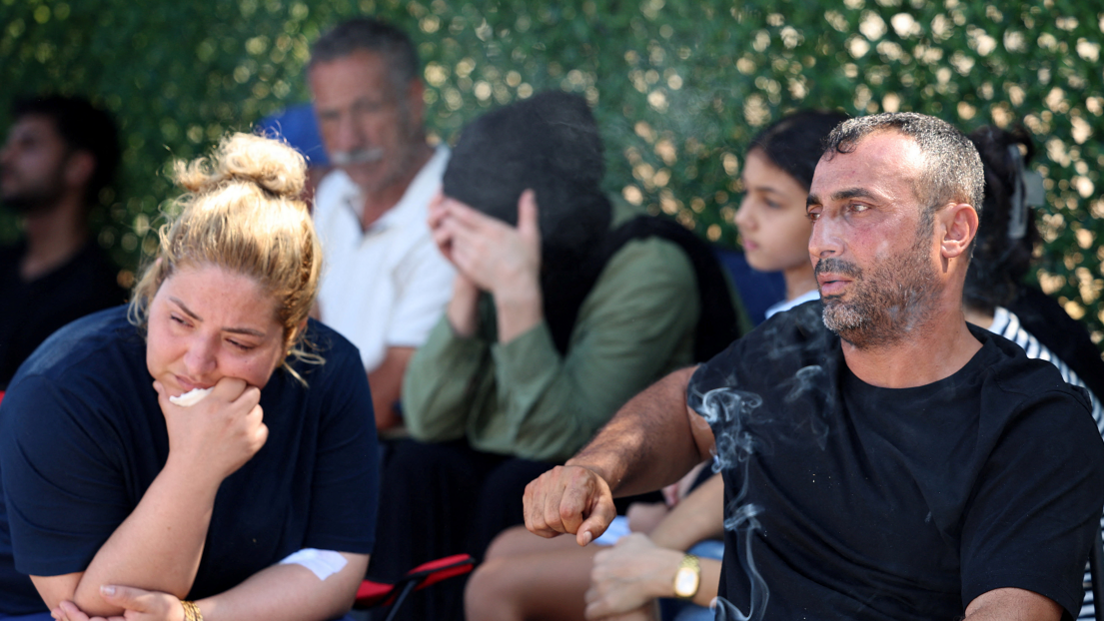
The silence has left families and local residents unable to learn what happened to neighbours and children left missing. Human‑rights observers note that typical online posts about the disaster, including user‑generated footage, are erased or flagged within hours of upload, limiting the information that can reach the public.
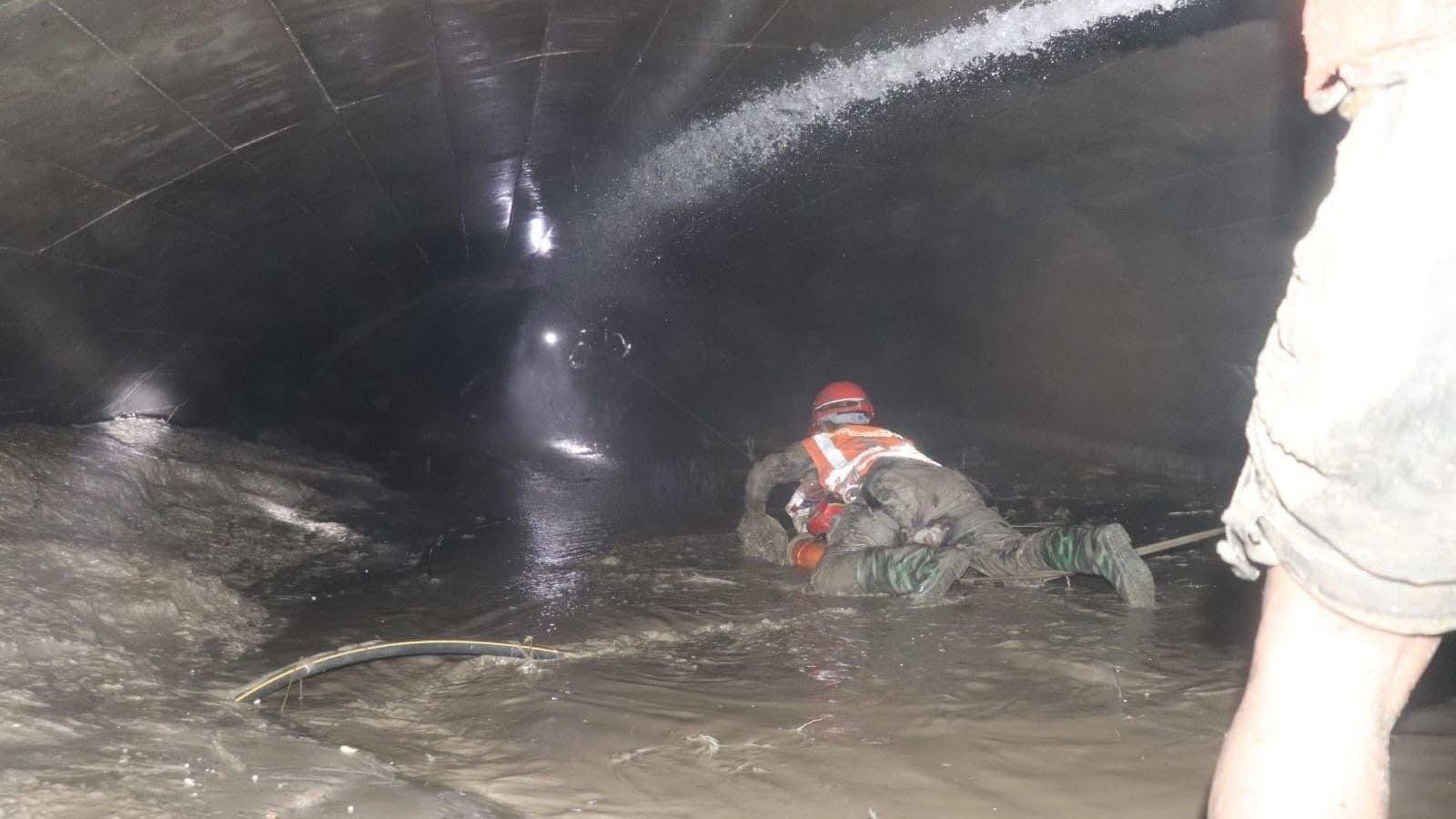
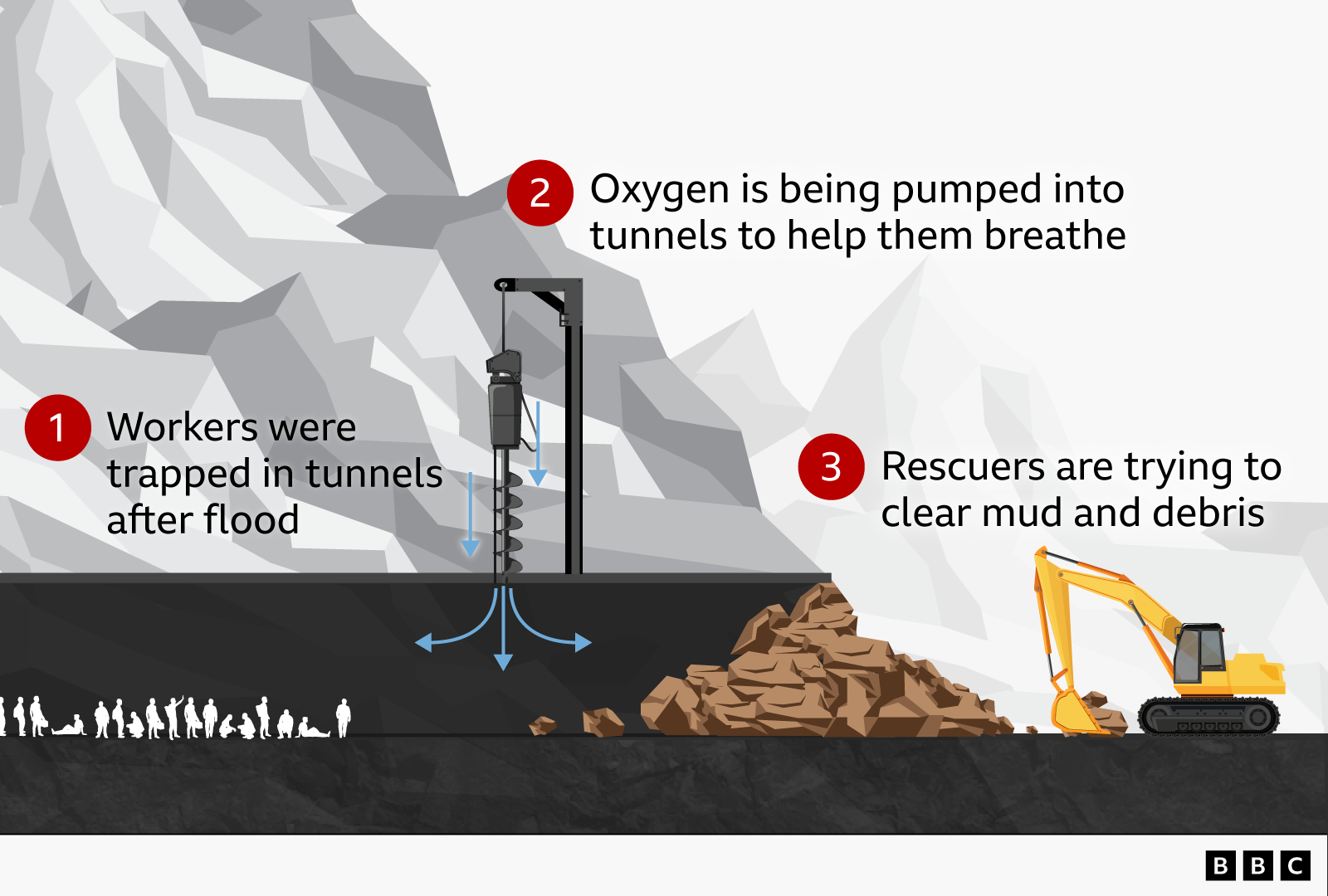
Beijing responded with a massive rescue operation; hundreds of emergency workers rushed to the site, and President Xi Jinping chaired an emergency meeting with top officials a day after the disaster. Mandarin–speaking leader Li Qiang travelled directly to the region to inspect debris removal and coordinate aid. Yet the coverage remains focused on heroic rescue footage rather than the human toll or the underlying climate factors that may have worsened the flooding.
The government’s muted response is said to stem from a desire to preserve “social stability” and prevent any perception of failure in disaster response. Critics argue that restricting information gives the party’s narrative control while denying victims’ families rightful access to information. The International Campaign for Tibet has called for full, verifiable disclosure of damage and casualty figures.