In brief
The atemoya, a hybrid custard apple prized in Taitung, is now at the centre of a diplomatic spat. Taiwan’s agriculture ministry has warned that China’s recent purchase pledges risk turning farmers into commodities. China has halted atemoya imports in 2021, resumed in 2023, and imposed export taxes in 2024. The dispute underscores how food can become a political tool in cross‑strait tensions.
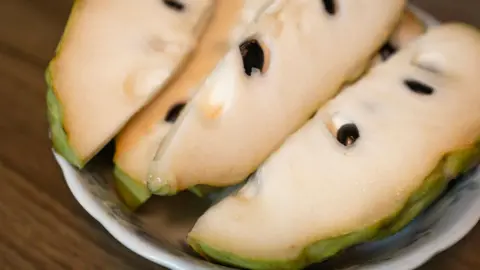
The atemoya, a hybrid custard apple treasured across Taiwan, sits at the centre of new geopolitical tensions. Beijing’s recent pledge to boost imports of the fruit threatens farmers who face volatile market pressures.
Taiwan’s agriculture ministry described the strategy as a classic “raise, trap, kill” pattern: build demand through incentives, then impose restrictions when the opportunity allows. China halted atemoya imports in 2021 on pest grounds, then resumed in 2023, only to add export taxes last year.
The move has unsettled local growers who fear sudden price drops and unpredictable supply chains. In a bid to protect livelihoods, the ministry calls for sustainable agricultural practices and urges diversification into frozen, puree, and wine markets.
Opposition lawmakers argue that the warnings politicise a vital sector and risk harming the island’s economy. Taipei’s mayor accused mainland officials of using the issue to bully farmers, likening the atemoya to a fruit‑world TSMC.
As cross‑strait trade talks continue, the atemoya spotlight exemplifies how commodities can be leveraged as levers of influence and economic leverage amid rising tensions. The outcome will shape not just farmers, but Taiwan’s broader strategy for food security and international trade resilience.