In brief
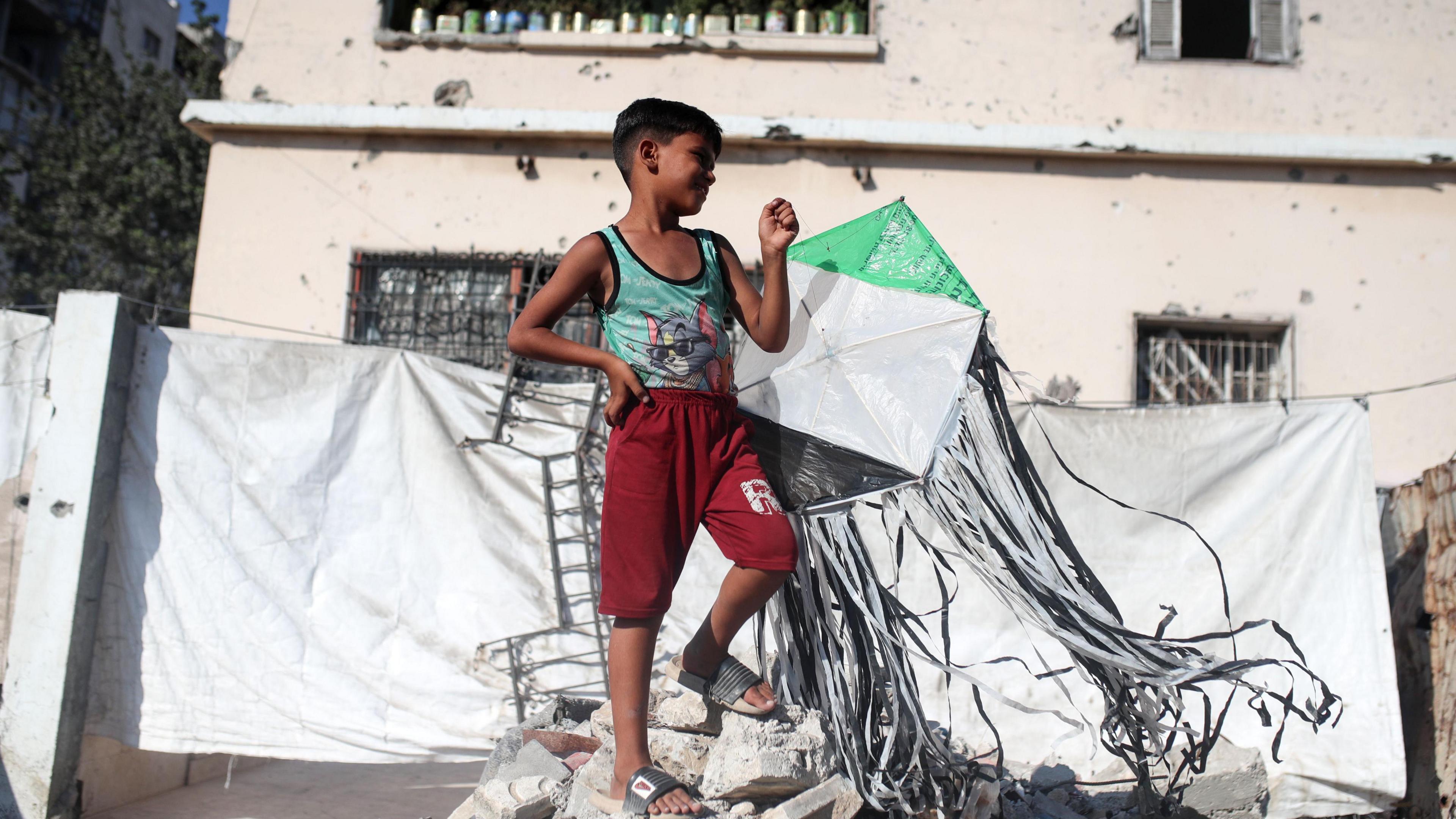
The latest Israeli statement warns of impending strikes after kites, drones and balloons were found near the Gaza border, a tactic that could ignite flammable vegetation. When launched into Israeli territory, these kites have historically produced incendiary fires that tore through forests and meadows, releasing significant amounts of CO2 into the atmosphere. While Hamas claims the kites are children’s toys, the environmental footprint of each incident remains clear: smoke, ash and particulate matter degrade air quality and harm local ecosystems. As the conflict rages, the cumulative emissions from military fire incidents add to the region’s vulnerability to climate change, underscoring an urgent need to weave environmental safeguards into ceasefire talks.
In a stark reminder that conflict fuels environmental damage, Israel’s Defence Minister Israel Katz announced a new policy to counter kite and balloon incursions from Gaza. The alert comes after four kites were discovered near the kibbutz of Nahal Oz, only 800 metres from the border, sparking fears that the devices may ignite flammable vegetation. When these kites become incendiaries, they can set large swaths of forest and farmland ablaze, pushing dust and carbon‑dioxide emissions straight into the atmosphere.
Historically, Hamas‑controlled rockets and incendiary kites have targeted Israeli countryside, ravaging 15 kilometers of wetlands and agricultural fields in a single strike. The combustion of these ecosystems not only destroys habitats but releases up to several tons of CO₂ per incident, a burden that adds to the already heightened greenhouse gas balance in the region.
Hamas has denied any links to the recent kite launches, labeling them as harmless children’s toys from displacement camps. Yet the environmental impacts remain indisputable: smoke, ash and particulate matter dampen air quality, threatening local health and disrupting pollination cycles needed for sustainable food systems.
In the backdrop of ongoing hostilities, updates from civilian health officials report casualties and injuries in refugee camps, highlighting the profound cross‑sectored toll of warfare. Amid the humanitarian crisis, the environmental dimension—fuelled by aerial bombardment and incendiary tactics—underlines how war‑zone policies directly threaten climate resilience and ecosystem stewardship.
The emerging narrative calls for a coalition of state actors, eco‑activists and scientists to monitor and mitigate the environmental fallout of conflicts. By integrating climate‑centric safeguards, such as protected fire‑breaks and emissions‑tracking frameworks, ceasefires could reduce the long‑term ecological legacy that fuels climate change across the region. The urgency for such collaboration has never been clearer, given the double‑edged reality of lives lost and ecosystems harmed in each burst of hostilities.