In brief
A former Olympian, Davey Hearn, was arrested after accusers claimed he vandalised the Reflecting Pool in Washington DC. Hearn denies wrongdoing, attributing the controversy to a brief touch on the newly painted surface. The Pool, recently rebuilt with a $13m facelift, still struggles with algae and paint delamination, underlining challenges in maintaining large-scale public water bodies. Trump’s response has amplified calls for better maintenance protocols, stressing the need for sustainable practices and transparent stewardship in preserving iconic national landmarks.
Former US Olympian Davey Hearn, 67, was arrested after a police investigation claimed he vandalised Washington DC’s iconic Reflecting Pool. The athlete says he merely touched a stripped patch of paint on the pool’s bottom and denies any damage was done.
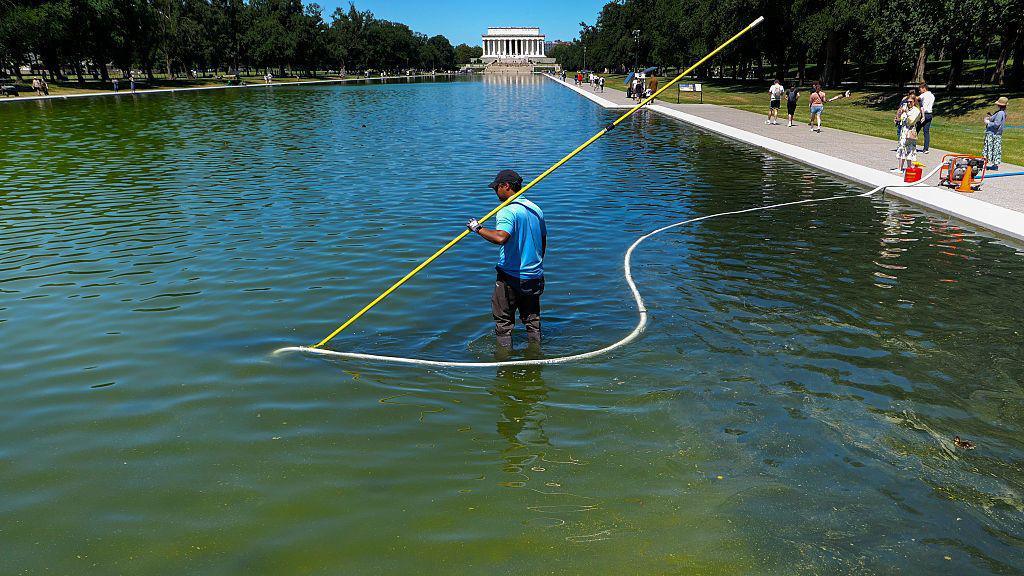
The pool, which stretches 2,030 feet between the Lincoln Memorial and the Washington Monument, underwent a $13 million renovation last year. Despite the refurbishment, leaks, algae growth, and paint peeling have resurfaced, prompting the Department of the Interior to launch further cleaning campaigns.
The incident has brought to light questions about the long‑term sustainability of public water features. Algae proliferation in such iconic sites is not merely a cosmetic issue; it reflects the challenges of managing large bodies of water in an urban environment, where stormwater runoff, nutrient loading, and lack of proper filtration often lead to sudden blooms.
President Trump, who selected the “American Flag Blue” paint used in the restoration, tweeted that vandals had poured corrosive chemicals into the water and that the pool would likely need to be drained for repairs. His comments highlight the tension between political rhetoric and practical environmental science.
Hearn’s background as a slalom canoeist and designer of waterproof sporting gear adds a layer of relevance to the environmental implications of the incident. He has repeatedly emphasized the importance of using durable, eco‑friendly materials for outdoor water structures. His assertion that his brief contact did not alter the pool’s condition underscores the importance of public understanding around maintenance protocols.
For environmentally resilient city infrastructure, an integrated approach is necessary: using low‑impact water management solutions, adopting natural filtration systems, and ensuring transparent maintenance schedules. The Reflecting Pool’s case underscores that even cherished heritage sites must be treated with long‑term ecological stewardship to preserve their beauty and utility for future generations.