U.S. VP Vance Criticises Israeli Media Influence amid Ongoing Iran Conflict
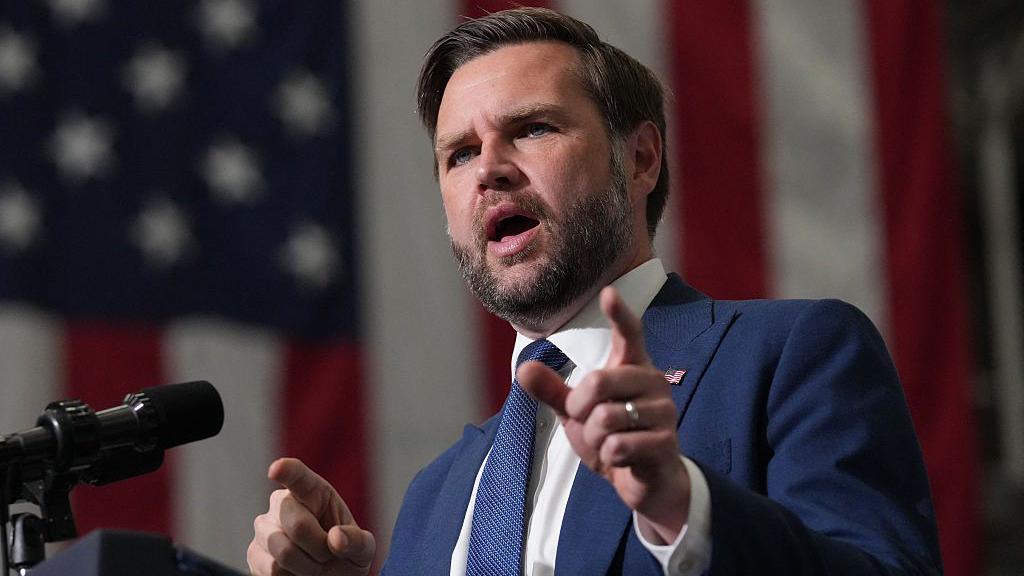
\Vice‑President JD Vance took a stand on Joe Rogan Experience, accusing elements of the Israeli government of manipulating American public opinion to keep the Iran war alive. Vance warned that a covert, well‑funded campaign had tried to derail U.S. negotiations with Tehran.
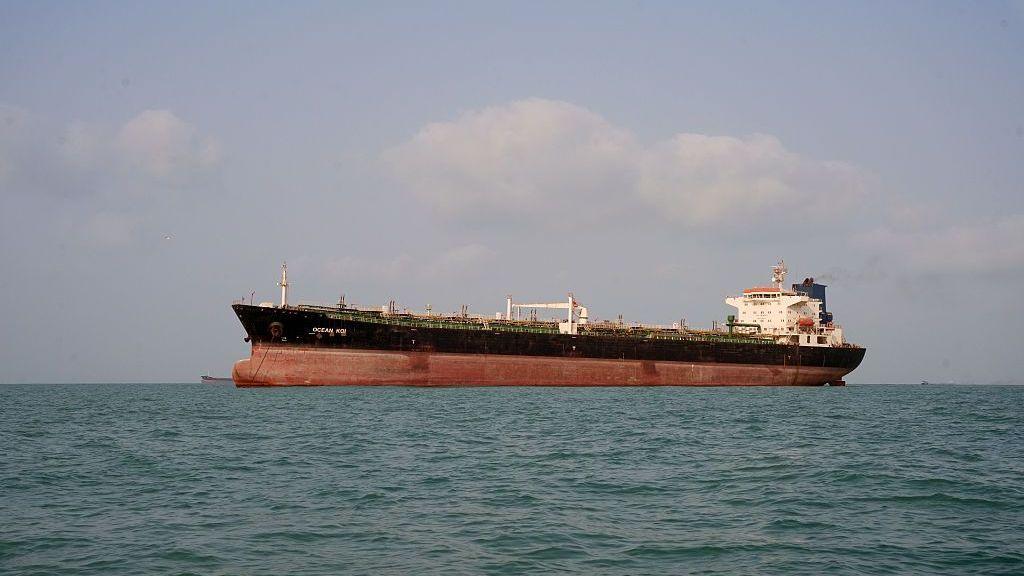
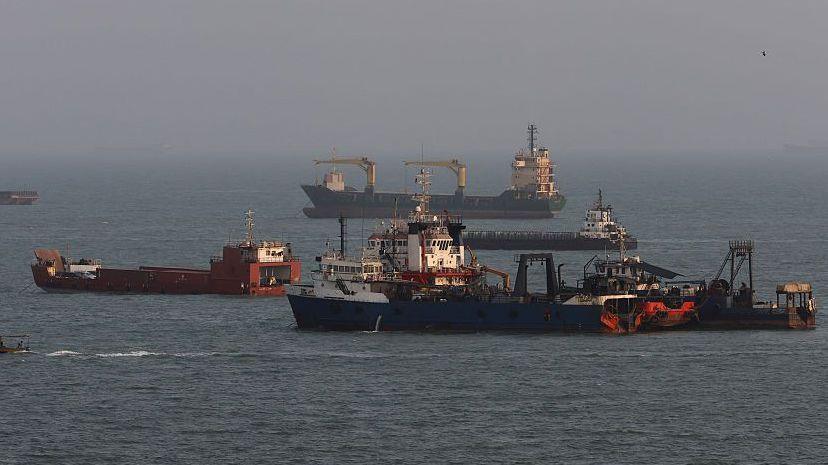
\While the U.S. secured a memorandum of understanding (MOU) last month to pause sanctions and open diplomatic channels, hostilities resumed after Iran’s stalled talks in the Strait of Hormuz. The conflict reignited the burning of oil wells in the north, producing brutal flares that leak carbon‑monoxide, sulfur dioxide, and particulate matter into the atmosphere.
\The environmental fallout is grave. Burning fields spread wildfires across the desert, while the flaring of captured oil wells magnifies regional air‑pollution levels, threatening local ecosystems and human health. Air‑quality data show peaks of fine‑dust concentrations in Jordan and Israel, with potential long‑term health consequences for nearby communities.
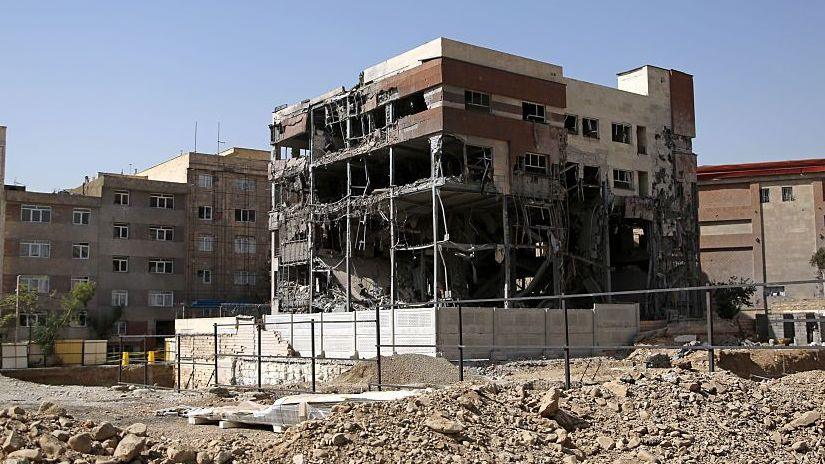
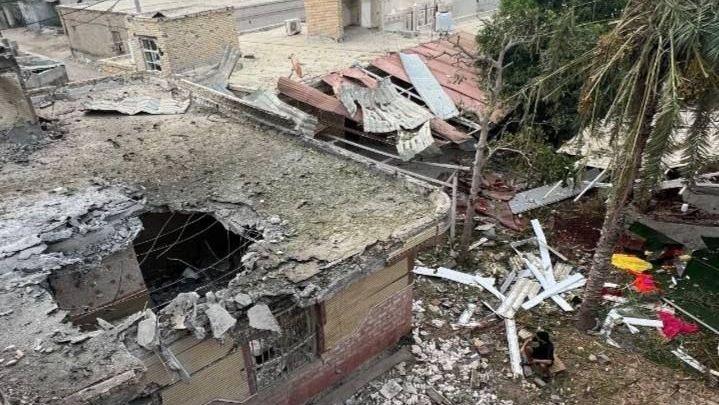
\As the House of Representatives rejected a bill that would have reduced billions of dollars in U.S. aid to Israel, many climate advocates see an opportunity to push for accountability—both for the humanitarian toll and the environmental damage. The U.S. drone attacks, too, have left chemical signatures in the soil, raising concerns about long‑term soil degradation and contamination of food> sources.
\Vance’s remarks underscore the power of foreign influence on domestic policy. He stressed that allowing external actors to shape U.S. decisions can result in investments that carry ecological costs, such as the continuing use of fossil‑fuel‑heavy military operations that impede climate progress. Environmental scholars hope such criticism will galvanize a broader push for transparent, sustainable conflict resolution.
\The ongoing Iran‑Israel tensions signal a pressing need for environmental safeguards. International bodies are calling for stricter protocols to limit the ecological harm of hostilities, such as reduced fuel‑flares, rapid cleanup of contaminated zones, and a new international treaty mandating stricter environmental reporting during armed conflict.
\