In brief
Gloria Steinem’s legacy began with investigative writing that exposed the exploitation of women and grew into a national voice for equality and later, environmental stewardship. She founded the all-female magazine Ms. , giving women a platform to shape policy and culture. In partnership with environmental entrepreneur David Bale, she linked gender justice to climate action, demonstrating how inclusive leadership can drive ecological resilience. Her career shows that feminist advocacy and sustainability are intertwined forces for global change.
Gloria Steinem’s journey began during the 1960s when she worked as a freelance writer and uncovered the sex‑based exploitation of Playboy’s “Bunnies.” That exposé—written under the pseudonym Marie—sparked her first major break, leading to assignments at the New York Times and the New York Magazine. Her sharp journalism highlighted broader social injustices, positioning her at the forefront of the emerging second‑wave feminist movement.
Early Years and Grassroots Focus
Born in 1934 in Toledo, Ohio, Steinem’s childhood was marked by itinerancy and care for her mother’s mental health. She left school at 12, but her resilience led her to a research scholarship in India the late 1950s, where she helped village women organize protests against government policies. This experience deepened her commitment to grassroots empowerment and later inspired her writing.
Ms. Magazine and a New Voice for Women
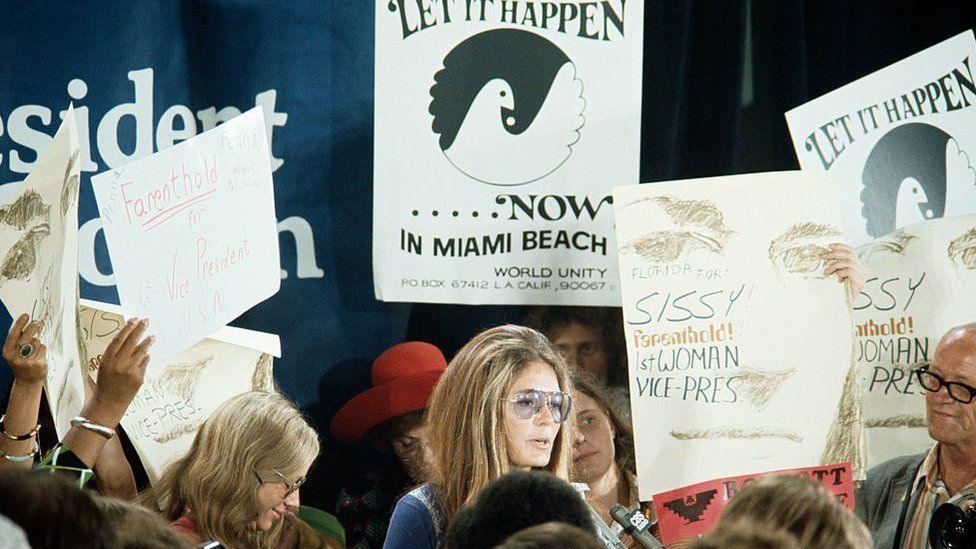
In 1972, Steinem and allies launched Ms., the first all‑female founded and operated periodical. The magazine sold out within a week and quickly became the primary platform for feminist ideas—challenging traditional norms and advocating for realistic policy reforms such as the Equal Rights Amendment and reproductive freedom.
Advocacy for Women’s and Environmental Rights
While her early focus was clearly on gender equality, Steinem’s later activism brought climate concerns to the conversation. Her marriage in 2000 to David Bale—a South African entrepreneur and environmentalist—signified her personal commitment to ecological stewardship. Together, they championed green policies and sustainable development, illustrating how feminist leadership can dovetail with climate action.
Legacy and Current Influence
Steinem’s influence endures through millions of readers of Ms. and through her speeches that continue to highlight intersectional justice—linking women’s rights with environmental integrity. She received the Presidential Medal of Freedom in 2013, a testament to the wide reach of her advocacy. As of 2024, she remains a powerful voice in the global conversation on gender equality and sustainable futures.
Led by leaders like Steinem, the next generation of activists can pursue a future that balances justice, sustainability, and empowerment for all.