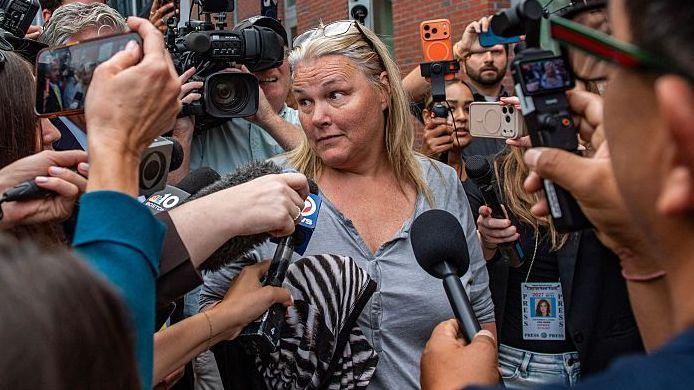
Massachusetts Mistrial in Lindsay Clancy Murder Case Highlights Justice System Strain
A Massachusetts judge declared a mistrial after jurors could not reach unanimity in the three‑count murder trial of Lindsay Clancy, who is accused of killing her children in 2023. Clancy, who denied the charges, faces three counts of first‑degree murder. Her legal team argued she was suffering from postpartum psychosis and should not be held criminally responsible.
Clancy admitted to killing her children but pleaded not guilty, claiming a severe mental‑health condition brought her to a point where she could not decide to act. The defense also questioned the evidence presented, highlighting gaps in the prosecution’s timeline and witnesses’ reliability.
Jurors, after a five‑week trial that captivated and heavily divided America, could not agree on a verdict. The Massachusetts court opted for a mistrial, underscoring the difficulty of convicting defendants with complex psychiatric histories.
The case raises key questions about how courts can balance public safety with the need for a fair trial when mental illness is involved, particularly in high‑stakes child‑murder cases. It also shows how a judge’s decision to declare a mistrial may reflect broader systemic pressures within the criminal justice system. The case remains open for future proceedings, with potential for retrial once the jury’s concerns are addressed.