In brief
In a recent Christian podcast, Vice‑President JD Vance mused that he would not be shocked if the Antichrist walked among us, a remark met with a defense that the idea is a common belief in America. Rod Dreher, a conservative writer and friend of Vance, told the BBC that the comments will not damage the VP’s political standing, as many Republicans already entertain such concepts. Vance, who converted to Catholicism in 2019, emphasizes that his focus remains on leadership and serving the nation. While his remarks centre on faith, analysts point out that environmental policy decisions will still hinge on the political priorities of the administration, with implications for future climate‑related actions. The discussion highlights how personal beliefs can intersect with governmental responsibilities, including those that shape sustainable futures.
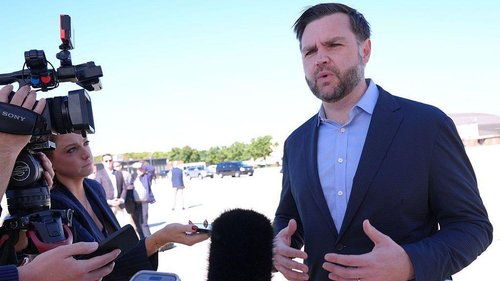
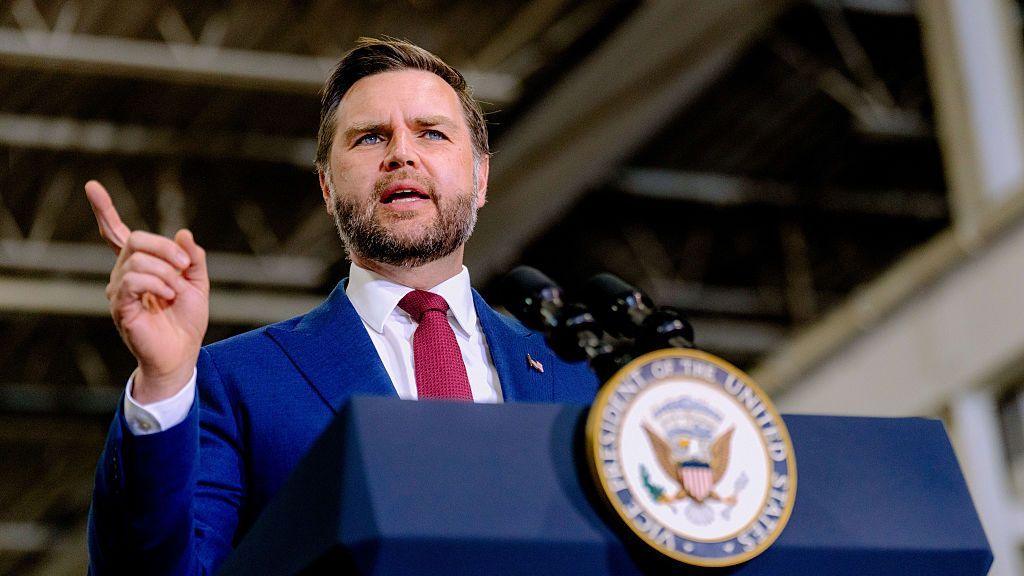
Vice‑President JD Vance’s recent remarks on the Antichrist and the impending “end times” sparked a debate on the BBC’s Today programme. Vance said he would not be surprised if the Antichrist was among us, a statement that was defended by his friend Rod Dreher, a conservative writer.
In an interview on a Christian podcast, Vance explained that such ideas are common in the United States and that the concerns do not distract him from his duties as the nation’s second‑highest executive. He reiterated that he was “preoccupied with being vice‑president” and committed to practicing “God’s work” in his role.
Dreher responded that the comments “might sound bonkers to someone outside the Christian religion” but are “perfectly normal” for those who share these beliefs. He added that the rapid development of AI and ongoing global conflicts lend a backdrop to people contemplating the world’s trajectory.
While Vance’s comments focus on spirituality, commentators note that the political and legal actions of the White House still shape America’s environmental trajectory. How the administration balances faith‑informed priorities with scientific urgency could influence future climate‑policy decisions.