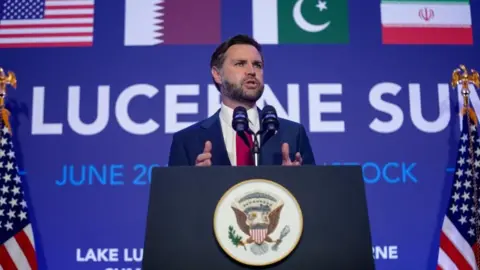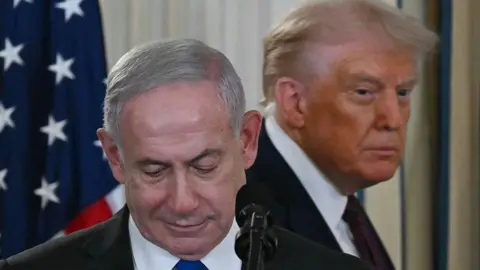
The U.S.-Iran ceasefire agreement has pushed Israeli prime minister Benjamin Netanyahu into a political nightmare that upends the foundation of his public persona. The deal has dissolved the three pillars that have sustained his leadership: influence over Washington, decisive action against Iran, and unwavering defence of Israeli security.
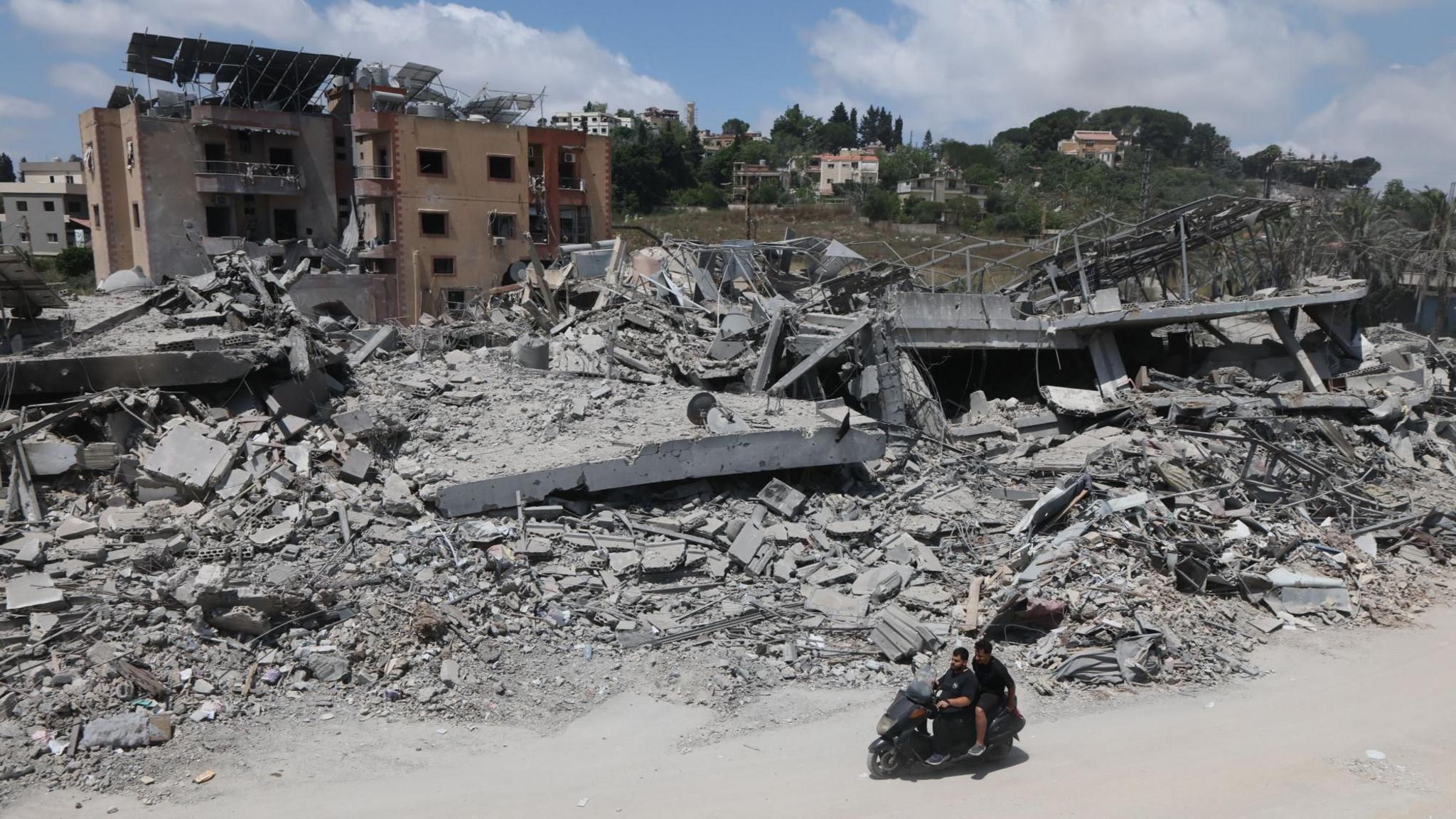
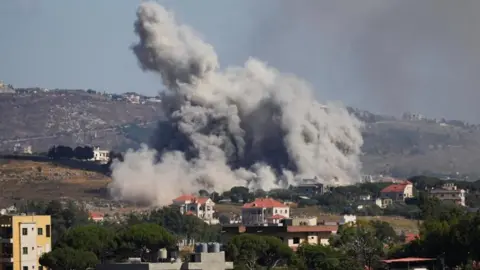
Netanyahu’s reputation as a “political whisperer” in Washington has been called into question by a pivotal U.S. ally, as the ceasefire now obliges Israel to halt operations against Hezbollah in Lebanon.
Israeli officials and politicians are split over how to respond. Yair Lapid, the opposition leader, described the situation as a choice between a direct confrontation with a key ally or a submissive surrender of Israel’s interests. Far‑right cabinet minister Itamar Ben‑Gvir dismissed the deal, asserting that Israel was no longer bound by it.
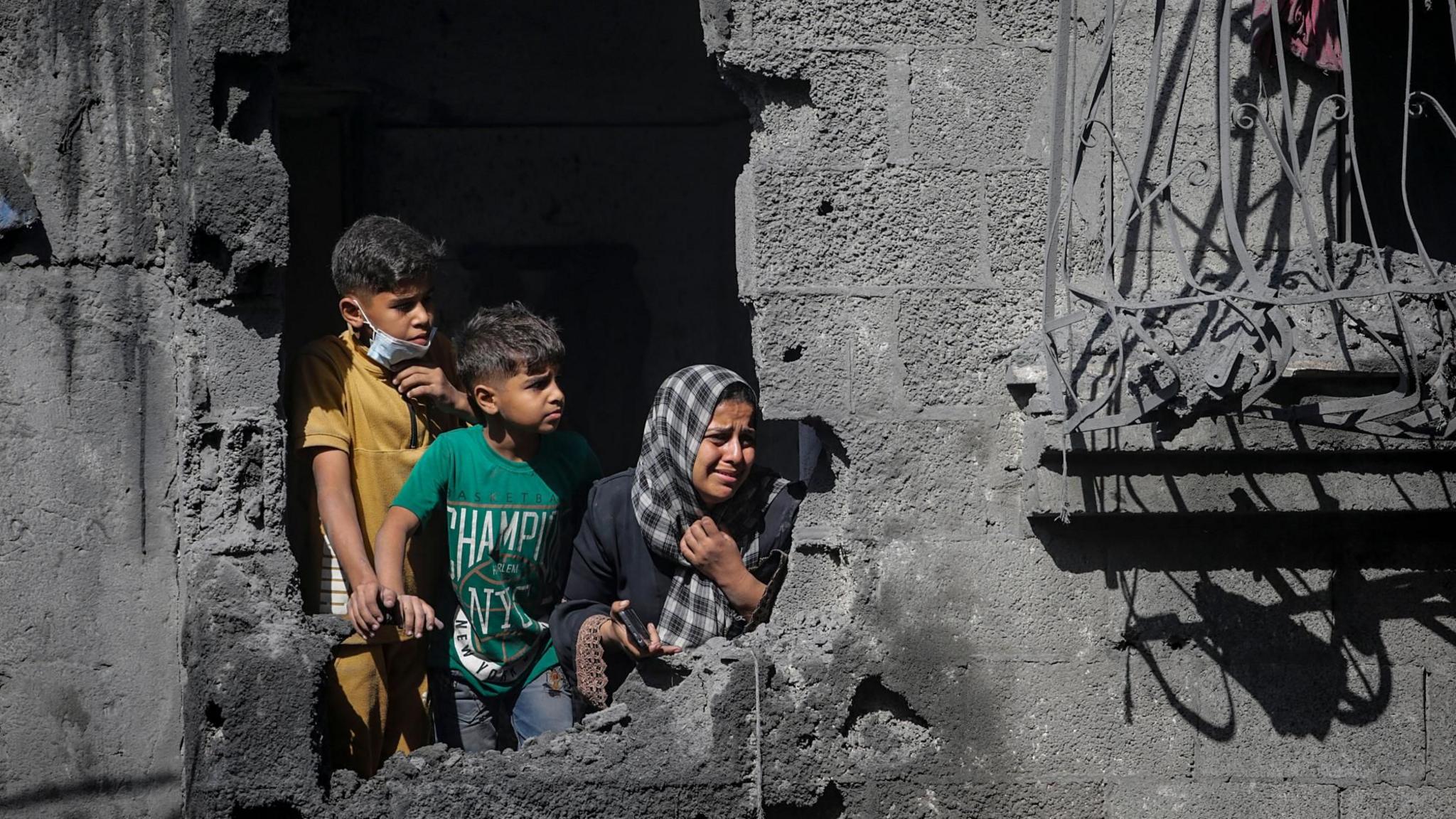
Security Minister Kallner affirmed a continued military stance, while former Mossad specialist Sima Shine warned that the agreement allows Iran to support Hezbollah more freely. The political turbulence is compounded by Israel’s ongoing occupation of Gaza, Lebanon and Syria, stretching military resources and diminishing diplomatic leeway.
Commentators argue that Netanyahu’s war‑on‑Iran strategy, aimed at removing regional threats, now risks isolating the nation. With an imminent general election and limited spaces to manoeuvre, the leadership must rethink its approach toward Tehran to restore resilience and prevent a deeper security crisis.
In the short‑term, Israel’s entanglement in regional conflicts threatens to divert attention and resources from pressing environmental challenges, including the need for sustainable energy solutions and mitigation of climate‑related risks that pervade the Middle East.