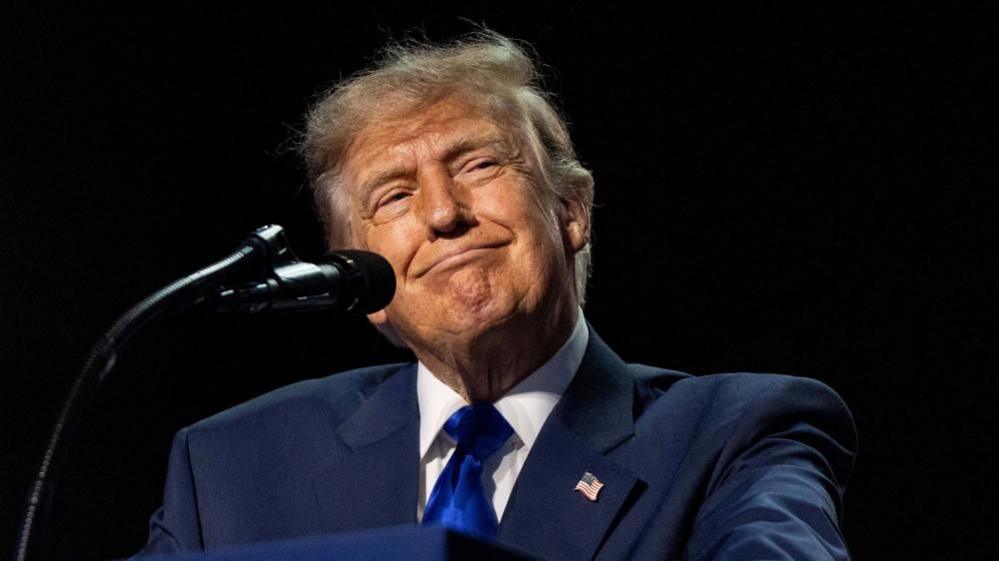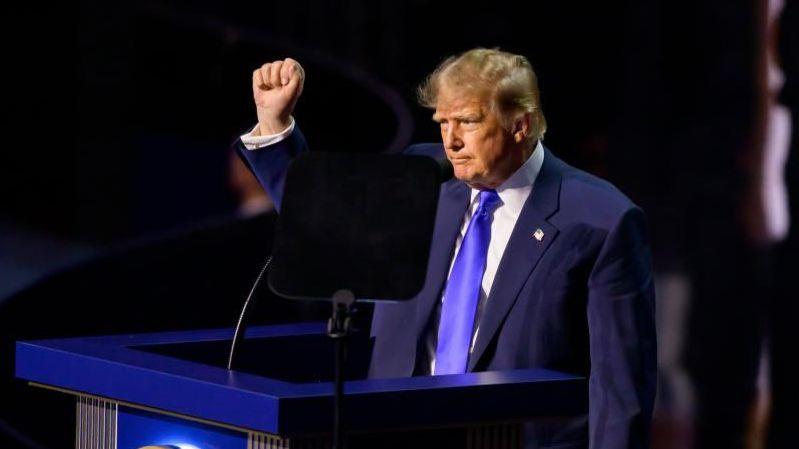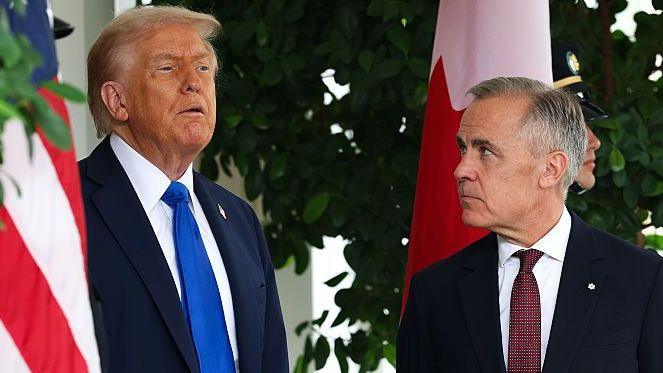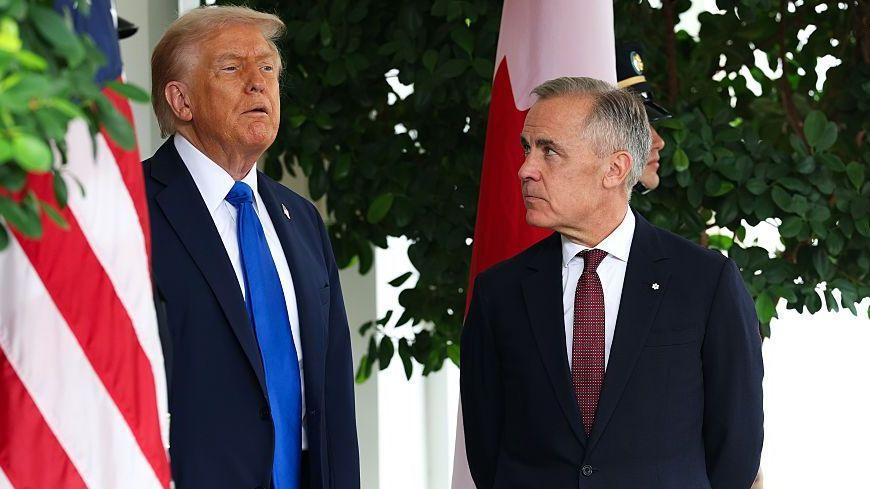
President Donald Trump has stated that the escalating war in the Middle East, triggered by US and Israeli bombardment of Iranian targets in February, will likely conclude only after the upcoming November midterm elections. He emphasized that oil prices would tumble immediately once the war ends, asserting that short‑term economic pain is necessary to prevent Iran from developing nuclear weapons.
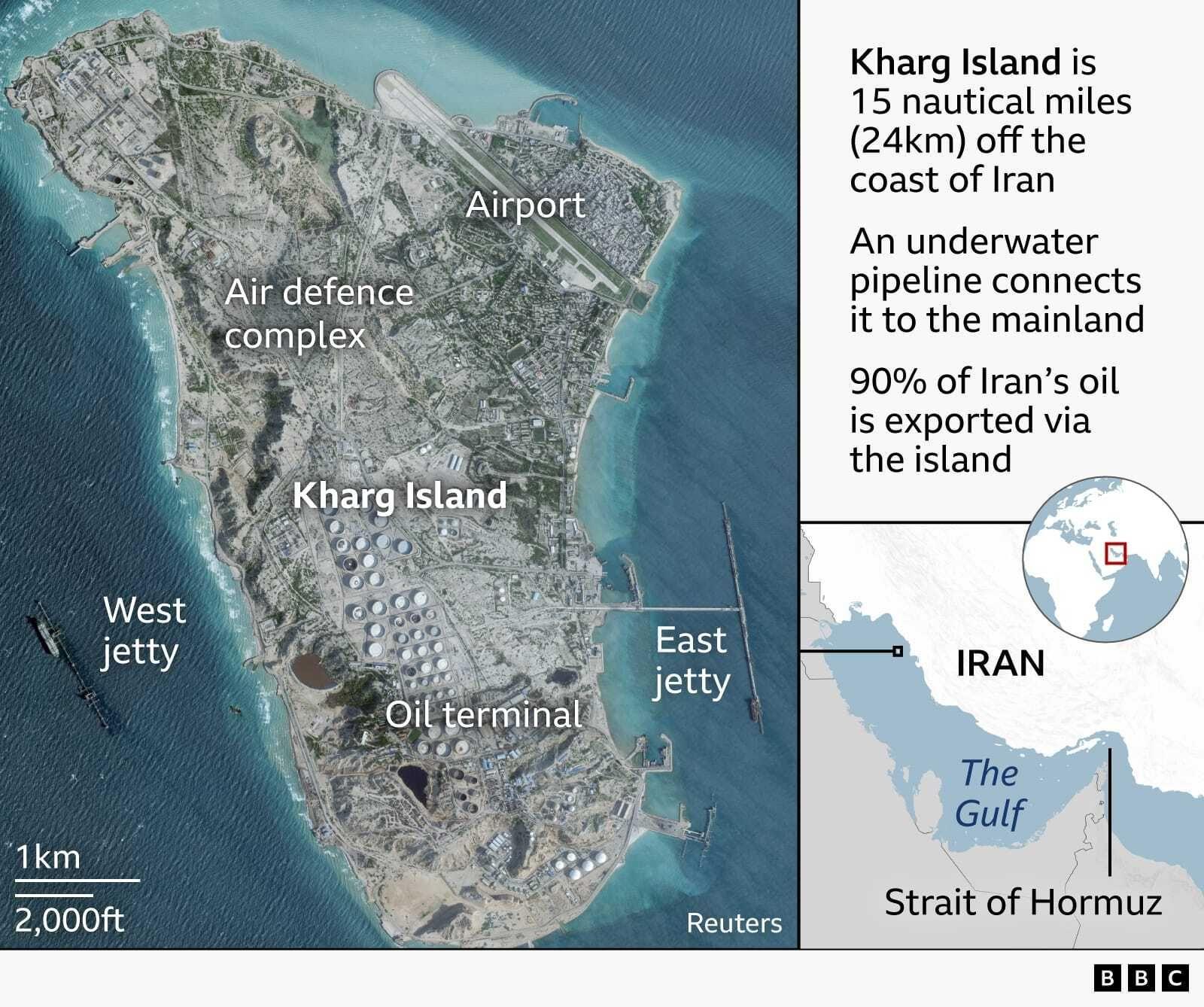
The conflict has already sent Brent crude prices over the $100‑a‑barrel threshold for the first time since July. A surge in oil demand, coupled with disruptions to Gulf‑side production and shipping through the Strait of Hormuz, has placed a direct strain on global supply chains and food systems, pushing up the cost of essential goods and fuels.
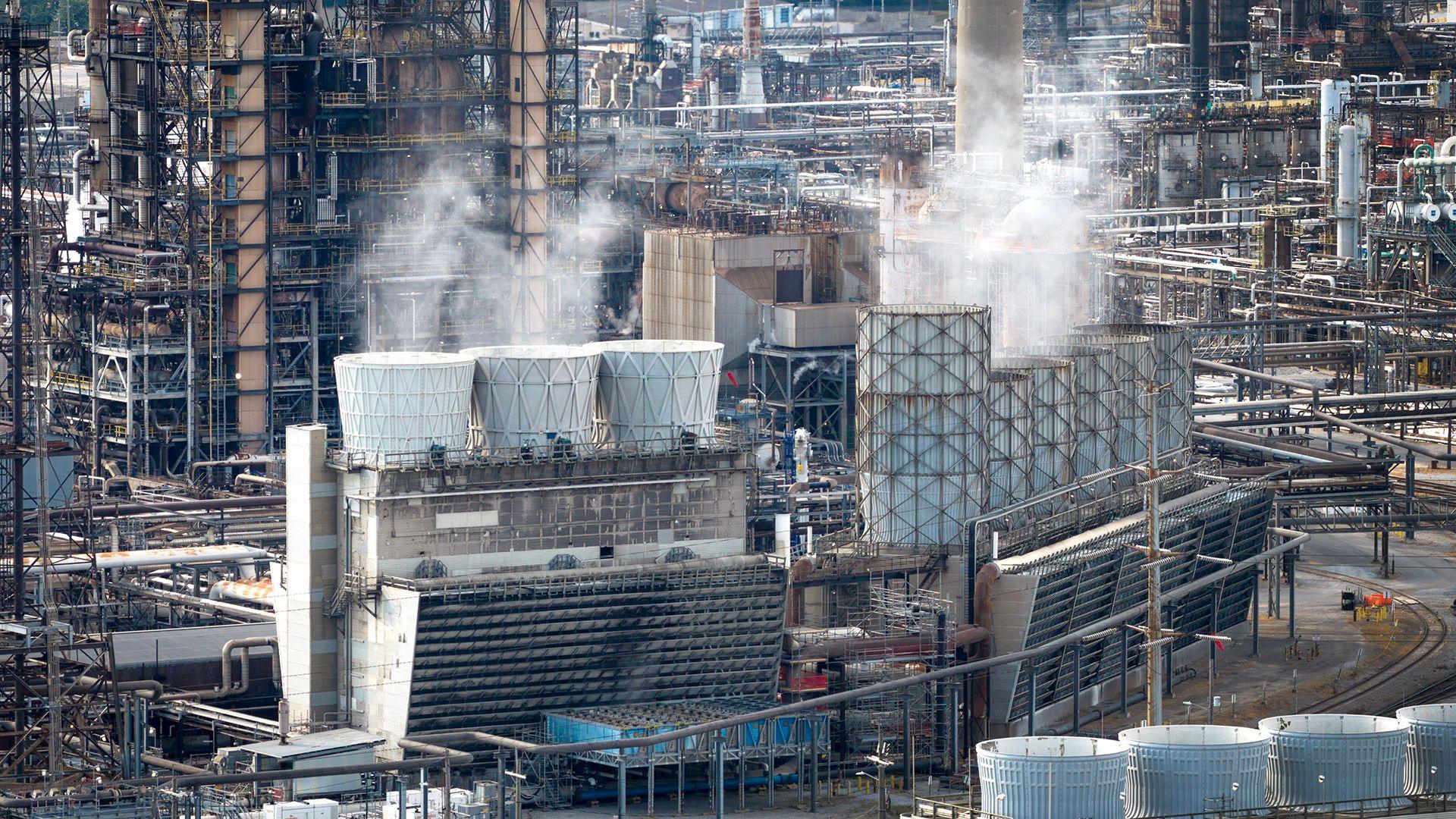
Each additional dollar in oil prices translates to a measurable increase in greenhouse gas emissions, especially from the combustion‑heavy sectors of transportation and power. Climate scientists warn that higher fuel prices could elongate heat‑wave occurrences and intensify atmospheric pollution episodes, thereby extending the temperature limits outlined in the Paris Agreement.
This price shock also intimidates investments in renewable networks. The U.S. Department of Energy projects that higher fuel costs may delay the roll‑out of solar and wind infrastructure. Amid this turbulence, several policymakers are encouraging a prompt shift toward electrification, hydrogen, and energy efficiency to offset the emissions created by continued fossil fuel reliance.
As the US approaches the November midterms, political rhetoric around Iran, energy security, and environmental policy will shape the nation’s future. Citizens and stakeholders now question how the war’s resolution—whether swift or drawn out—will affect the country’s progress toward a sustainable, low‑carbon economy. The urgent task for leaders is to reconcile security objectives with long‑term climate commitments, lest the war’s after effects destabilize progress on the planet’s most pressing ecological crisis.