Oil Bubbles Meet Political Turbulence
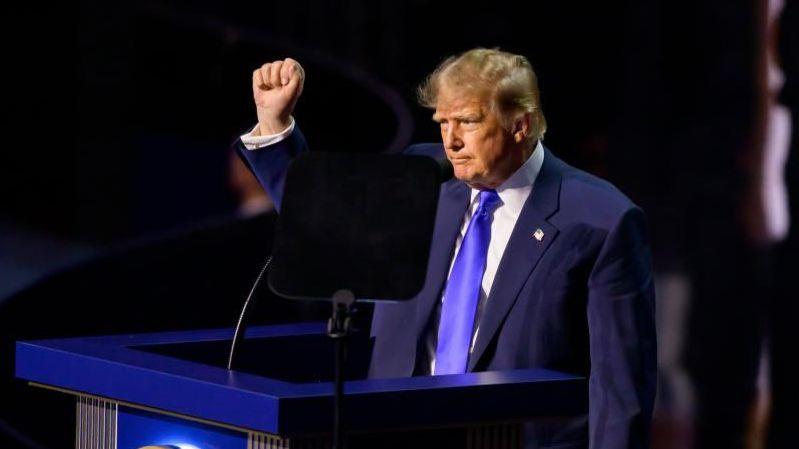
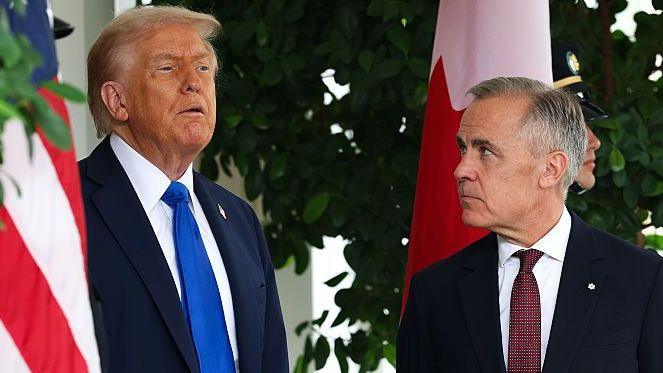
When President Donald Trump publicly promised that the Iran war would "end immediately" following mid‑term elections, he also blamed the sudden surge in oil prices on the conflict, igniting a debate at the first Republican Party midterms convention in Texas.
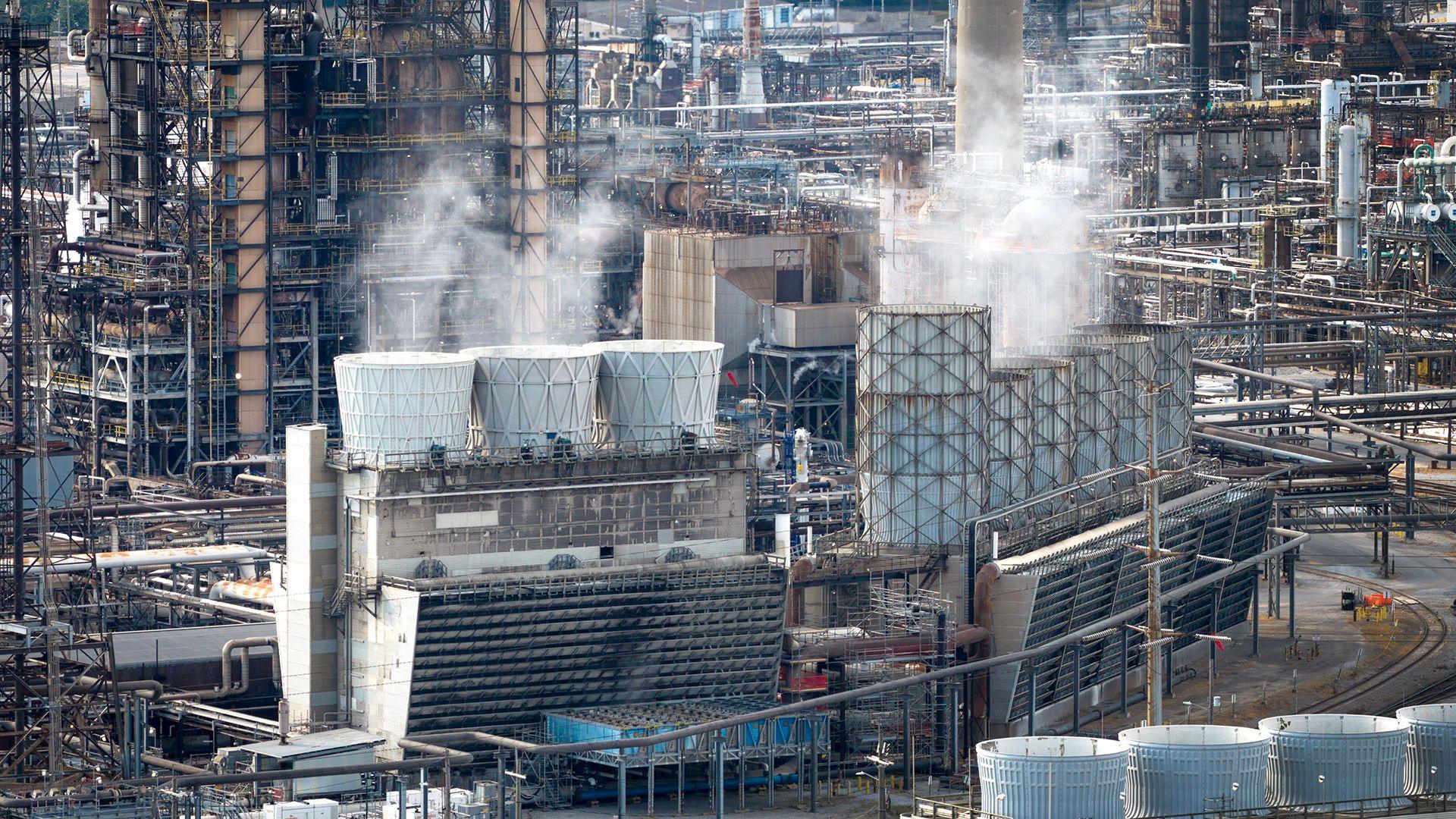
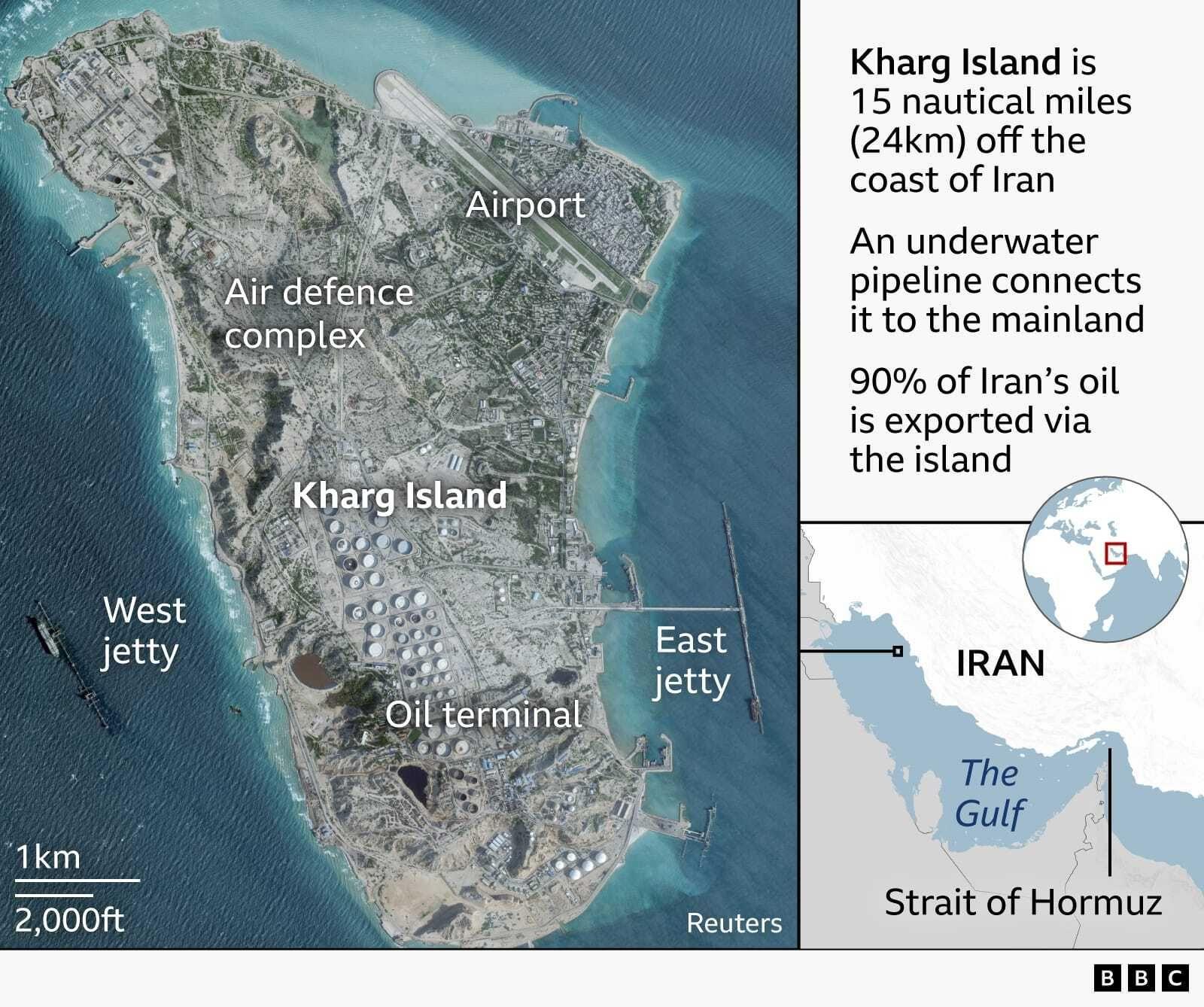
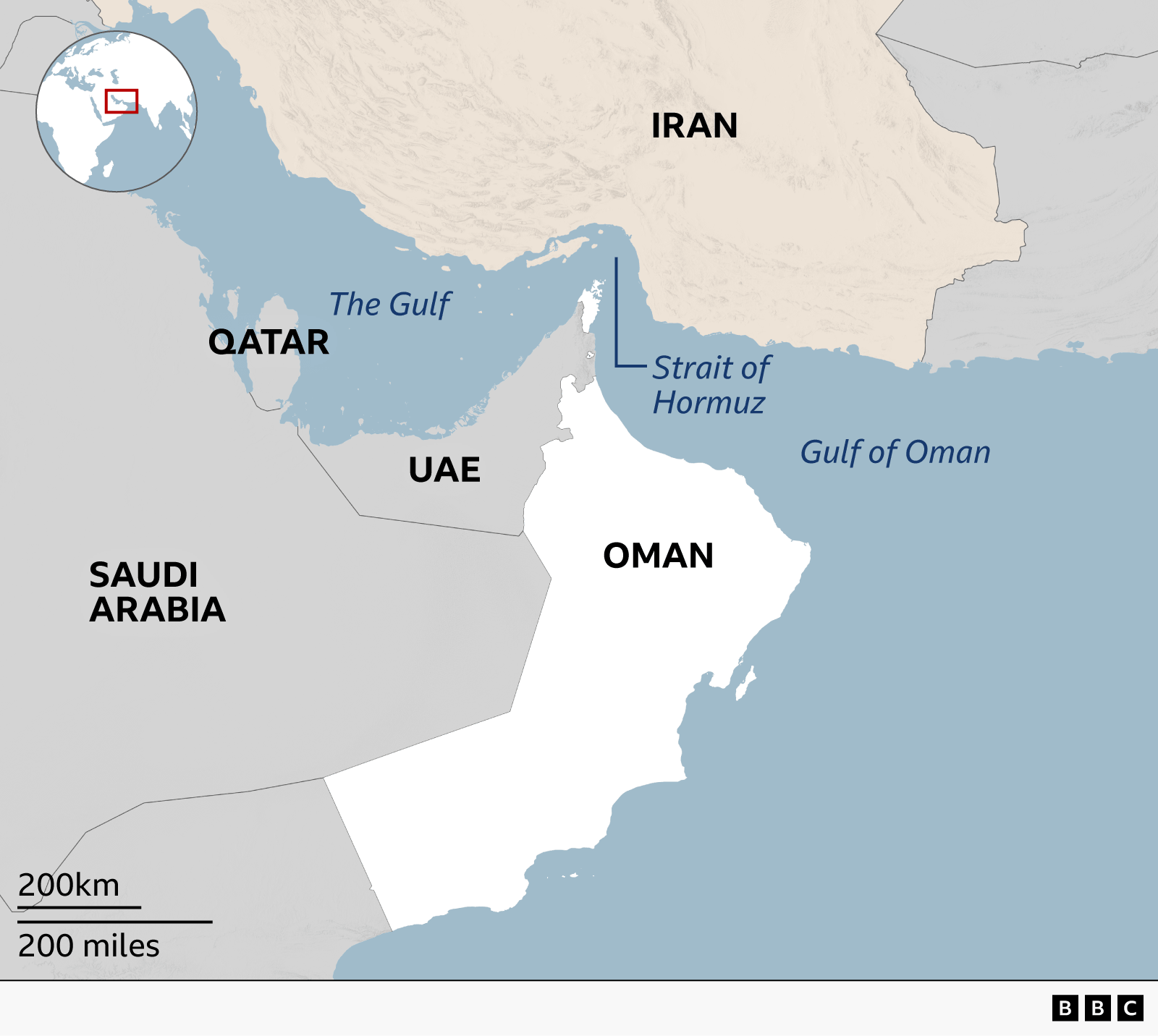
Oil prices climbed to $100 a barrel after the U.S. and Iran launched attacks on tankers in the Gulf and Houthis struck Saudi oil facilities—a sharp reminder of how fragile fossil fuel markets are when geopolitical tensions rise.
The event, filmed by BBC’s Sarah Smith, highlighted how voters in the United States are confronted not just with political ideology but with real‑world economic realities: higher gasoline costs, rising household energy bills, and a growing awareness that fossil fuels are unsustainable in the long run.
But the spike offers more than a political rally point; it is a wake‑up call for the energy transition. Each dollar spent on oil is a dollar that will not be invested in rooftop solar, wind farms, or electric vehicle infrastructure—all of which can mitigate climate change and create resilient, local jobs.
As the United States faces contentious debates over fossil fuel subsidies and environmental regulation, the pressure to reduce reliance on oil continues to grow. Policymakers, businesses, and ordinary Texans alike must recognize that a future powered by clean energy is not just an environmental imperative; it is an economic necessity.