In brief
In Dallas, a two‑day Republican midterms convention served as a rally rather than a policy forum, with President Trump delivering a keynote that reaffirmed his control over the party. The event spotlighted a keen focus on mobilizing his loyal MAGA base, with moderate Republicans largely absent. Trump announced a $5,000 payout to every adult U.S. citizen if Republicans secured both chambers, a move critics called an “empty promise” and raised questions about feasibility and legality. The convention underscored the party’s challenge of appealing to swing voters while grappling with economic concerns amid rising oil prices and an ongoing war in Iran.
Four Key Takeaways from the Republican Midterms Convention
The Republican Party’s first midterms convention in Dallas was a spectacle of glittering fanfare, with President Donald Trump driving the event’s agenda and rallying his base to boost turnout.
1. Preaching to the MAGA Choir
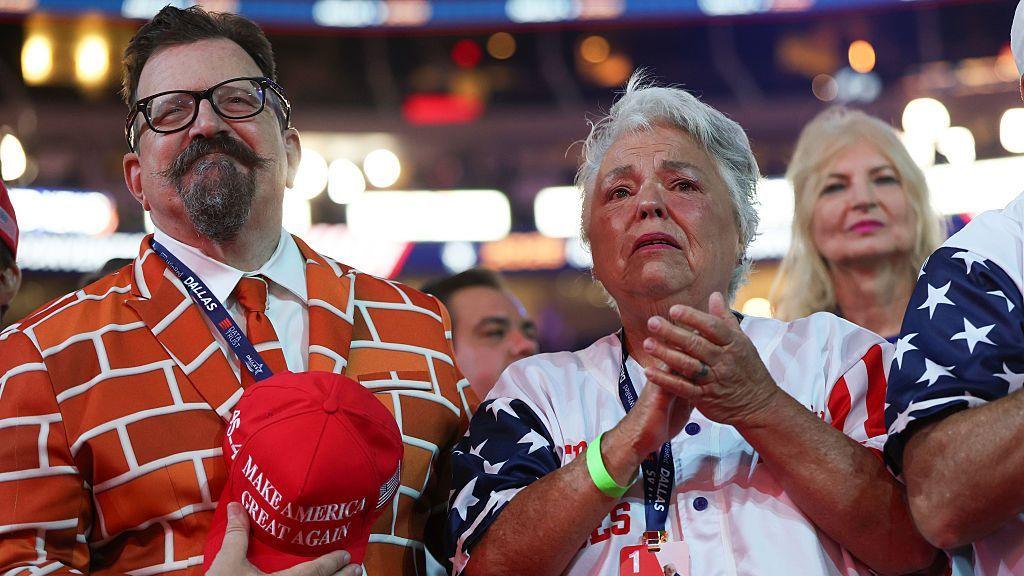
The arena overflowed with dedicated Trump supporters dressed in red MAGA gear, underscoring the President’s enduring appeal to his core base. Unlike typical conventions, the event lacked conventional party debates, and moderate Republicans such as Senator Susan Collins avoided the stage.
2. It’s Still Trump’s Party
Trump’s dominance is evident, yet critics raise questions about who will succeed him on the ballot in November, with Vice‑President John Dale Vance and Secretary of State Marco Rubio frequently mentioned as potential successors.
3. A Gamble on Affordability
Trump addressed rising fuel costs, suggesting relief would take time, and tied the war in Iran’s economic impact to national security. However, the message struggled to resonate with voters feeling the pinch of higher prices.
4. Trump Makes $5,000 Payout Offer
The President offered $5,000 to every adult U.S. citizen if Republicans win both chambers, contingent on the money being spent domestically. While the idea was applauded at the convention, details on funding, monitoring, or legality were omitted, leading critics to label it an “empty promise.”
Nearly 270 million Americans would be eligible, implying a potential cost of roughly $1.3 trillion—a figure that underscores the impracticality of the pledge and the political climate surrounding the event.
The convention highlighted the party’s tighter focus on turnout amid a tired campaign and the critical pressure of high cost of living, while leaving voters to question the practicalities of such extravagant promises.