In brief
President Trump announced a $5,000 payout to every adult American if Republicans win the 2024 midterms, sparking debate over legality, cost and funding. Legal experts argue the offer resembles a tax-cut pledge and may be permissible, while federal law caps campaign influence payments. The estimated cost of roughly $1.3 trillion would strain a deficit‑heavy budget, and lawmakers doubt it could be financed via tariffs or executive orders. The proposal raises questions about how such fiscal moves would affect climate‑focused spending, infrastructure grants and green‑innovation funding in the United States.
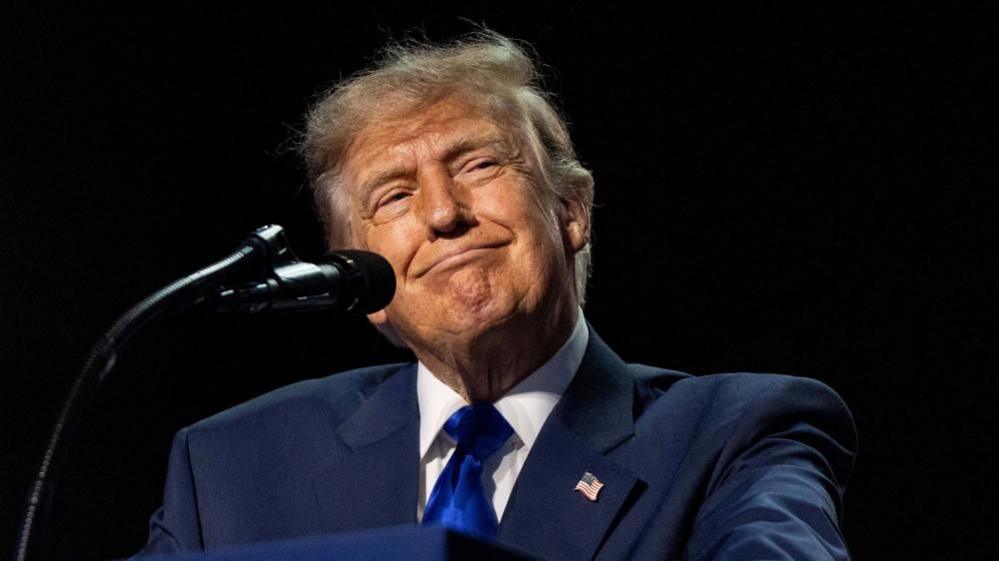
During a Texas convention, President Trump vowed to give every adult American $5,000 if the GOP secures the 2024 midterm. The promise has led to a flurry of applause among supporters and scathing criticism from Democrats. Yet the real question—how to pay it—remains unanswered.
Legal Landscape
Federal law prohibits giving money to influence voting. Some legal scholars believe this pledge is a tax‑cut promise, which is legal, while others view it as a transactional incentive that could be construed as bribery. One expert noted the distinction that the payment is intended for everyone regardless of political affiliation, potentially shielding it from the Bribery Act. The debate highlights the fine line between allowed campaign promises and prohibited inducements.
Economic Feasibility
With nearly 270 million adult citizens, the payout could cost about $1.3 trillion—a figure dwarfs the national debt and current deficit projections. Treasury officials say a presidential executive order cannot fund such an amount; legislation would be required. While VP Vance suggested tariff revenue, the government has raised a fraction of the income needed to cover the offer.
Impact on Climate Finance
Diverting billions to direct payments could crowd out climate spending, including green infrastructure grants, renewable subsidies and carbon‑capture research. Critics warn that redirecting $1.3 trillion would undermine the nation’s climate commitments, lock in fossil‑fuel subsidies and delay transitions to sustainable energy. Envisioning a climate‑finance budget shows a potential loss of over $150 billion a year in green investments.
Public Response
Republicans applauded the pledge; Democrats labeled it an “empty promise.” Citizens expressed mixed feelings, with some eager for the check and others concerned about the broader fiscal and environmental consequences. The conversation mirrors a broader national debate: does immediate economic stimulus trump long‑term planetary stewardship?
Looking Ahead
As the midterms approach, lawmakers will need to disentangle the logistics of the offer and its legality. Climate advocates are calling for transparent budgeting to ensure that such pay‑outs do not compromise funding for climate mitigation, adaptation and sustainable development. The outcome will shape not only the political landscape but also the United States’ climate trajectory moving forward.
For more detail on the political context, read the BBC coverage.