In brief
Farmers in the Midwest are grappling with soaring production costs and persistently low soybean prices, exacerbated by tariffs, trade wars, and the Iran conflict. As financial strains increase, many farmers are worried about sustainability and food security.
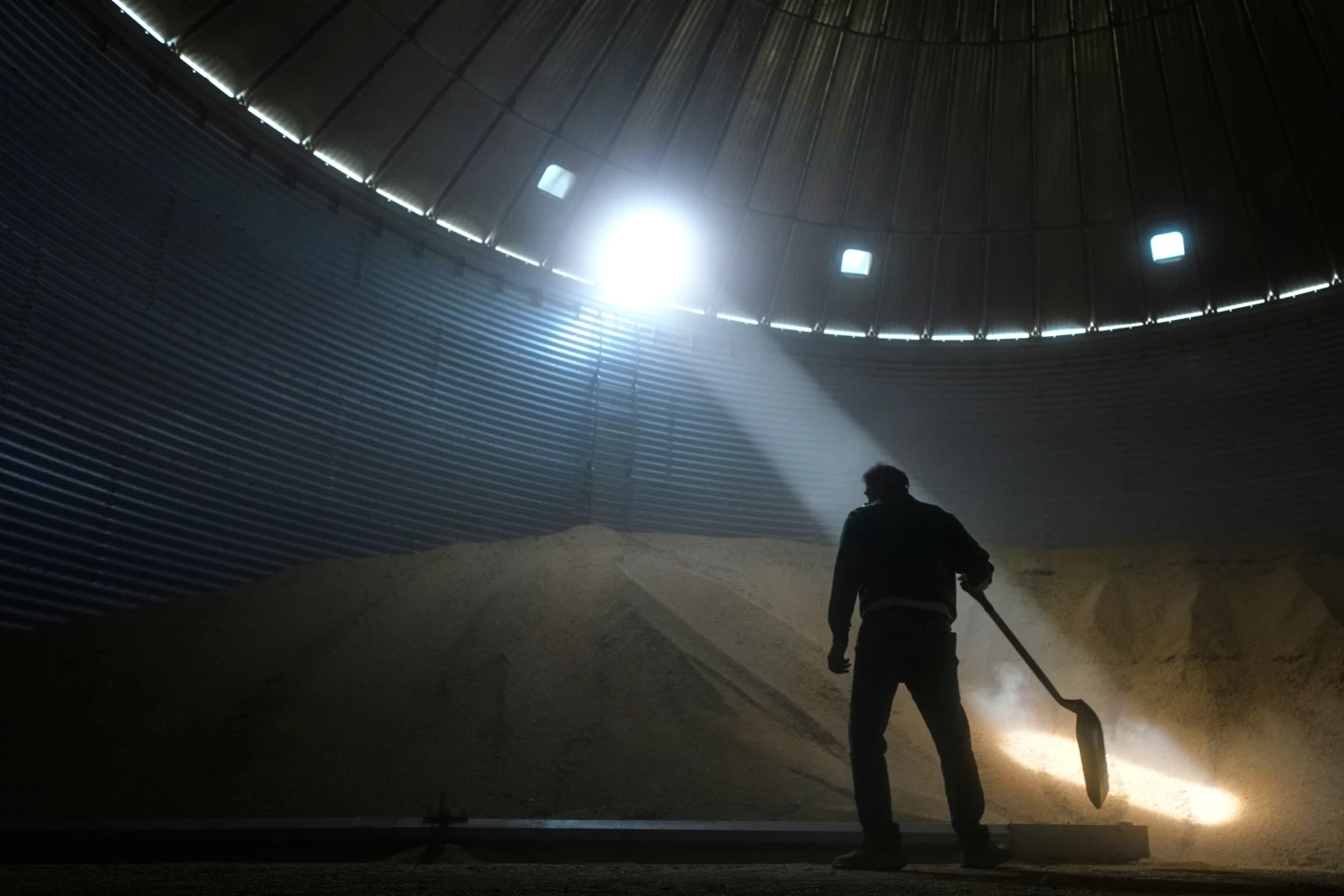
As the spring planting season approaches, Doug Bartek, a fifth-generation farmer in Nebraska, expresses anxiety over the multitude of challenges facing his soybean crop. The rising costs of fuel, equipment, and fertilizer, compounded by international issues such as the Iran conflict and unfavorable tariffs, have left many Midwest farmers feeling cornered.
Bartek, who chairs the Nebraska Soybean Association, cites price gouging and a supply glut driving down soybean prices as major stressors. 'Our biggest struggles are our inputs. There's been so much drastic markup in all of these,' he said.
This sentiment is echoed across the Midwest, where farmers find themselves caught in a cycle of rising expenses against diminishing returns. The tariffs introduced over the past year during the trade war with China have further complicated financial viability, as the situation has been compounded by global market shifts.
Justin Sherlock, president of the North Dakota Soybean Growers Association, also highlights the anxiety among farmers this year, indicating that many are bracing for yet another year of losses.
In addition to market instability, the Iran war has significantly impacted supplies of fertilizers vital for corn and other crops, contributing to a shortage and soaring costs. A recent ceasefire agreement has raised hopes for relief in shipping through the Strait of Hormuz, but uncertainty persists, leaving farmers in a precarious position.
As farmers navigate their financial hardships, Bartek reflects on the challenging future of agriculture. Did I do the right thing helping [my son] get into farming? he wonders, concerned for his family's legacy in light of current agricultural challenges.