In brief
A 50‑person mob in Durban beat a foreign national to death, revealing how climate‑driven migration pressures can fuel xenophobic violence. The incident follows earlier arson attacks and a backdrop of continent‑wide anti‑immigrant protests. South Africa’s rapid influx of climate refugees is straining urban services, widening inequality and sparking resentment. Experts argue that sustainable urban planning and inclusive migration policies are essential to prevent further flashpoints.
A 50‑person mob beat a foreign national to death in Durban on Tuesday, police said, a stark reminder that climate‑related migration can ignite deadly xenophobia.
The victim, believed to be in his late thirties or early forties, was first approached by two men before a larger crowd surrounded him; he died at the scene. Authorities are still probing the motive.
Ongoing Migration Crisis
South Africa has seen a surge in climate refugees seeking jobs and safety, and government‑led crackdowns have led to thousands of deportations since last year.
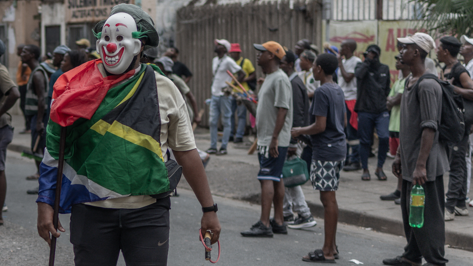
The incident follows earlier arson attacks on shops and cars in Durban and neighboring Soweto, as anti‑immigrant groups demand that undocumented migrants leave the country. Experts warn that inadequate urban planning and services strain local communities, widening inequality that fuels resentment.
Climate scientists say that projected sea‑level rise and droughts are likely to push more people north from countries like Malawi, Mozambique and Zimbabwe, many of whom settle in South African cities.
Policymakers must balance security with inclusive development, ensuring migration pathways are managed sustainably and that urban infrastructure can absorb increased demand without marginalising newcomers.
For more on how climate change is reshaping migration flows, read this Guardian feature.