In brief
In Batam, Indonesia, 300 villagers marched into the Nongsa Digital Park demanding water as their taps had gone dry for three months. They accuse rapid‑growing data‑centres of drawing too much freshwater from the island’s scant reservoirs, a claim denied by the water utility and the BP Batam agency. The protest follows a wave of construction: 10 data‑centres have been approved and 1.1 GW of power may be needed by 2030, while no transparent water‑use figures are released. Local residents call for desalination plants and stricter regulation of water and energy that could cripple small communities. A global trend of data‑centre booms mirrors Batam’s case, where cheap land and proximity to Singapore attract investment at the cost of water security.
On a hot day, a crowd of about 300 B‑tam residents poured into the gates of the new Nongsa Digital Park, carrying empty plastic bottles and jerry‑cans, shouting, "Water! Water!" Their frustration is clear: for the past three months, the taps in most homes have gone dry, while thousands of servers inside the park have stayed cool and humming.
Dewi Susanti, a protester from the village of Bakau Serip, explained that the water she and her neighbour rely on now comes in tanker trucks filled with cloudy, odour‑laden water. "We used to have reliable supply until the data‑centres got built," she said. The island’s water utility said it was working to improve the supply but declined to confirm a link between the data‑centres and the shortage, while BP Batam blamed the plummeting water level on a prolonged dry spell.
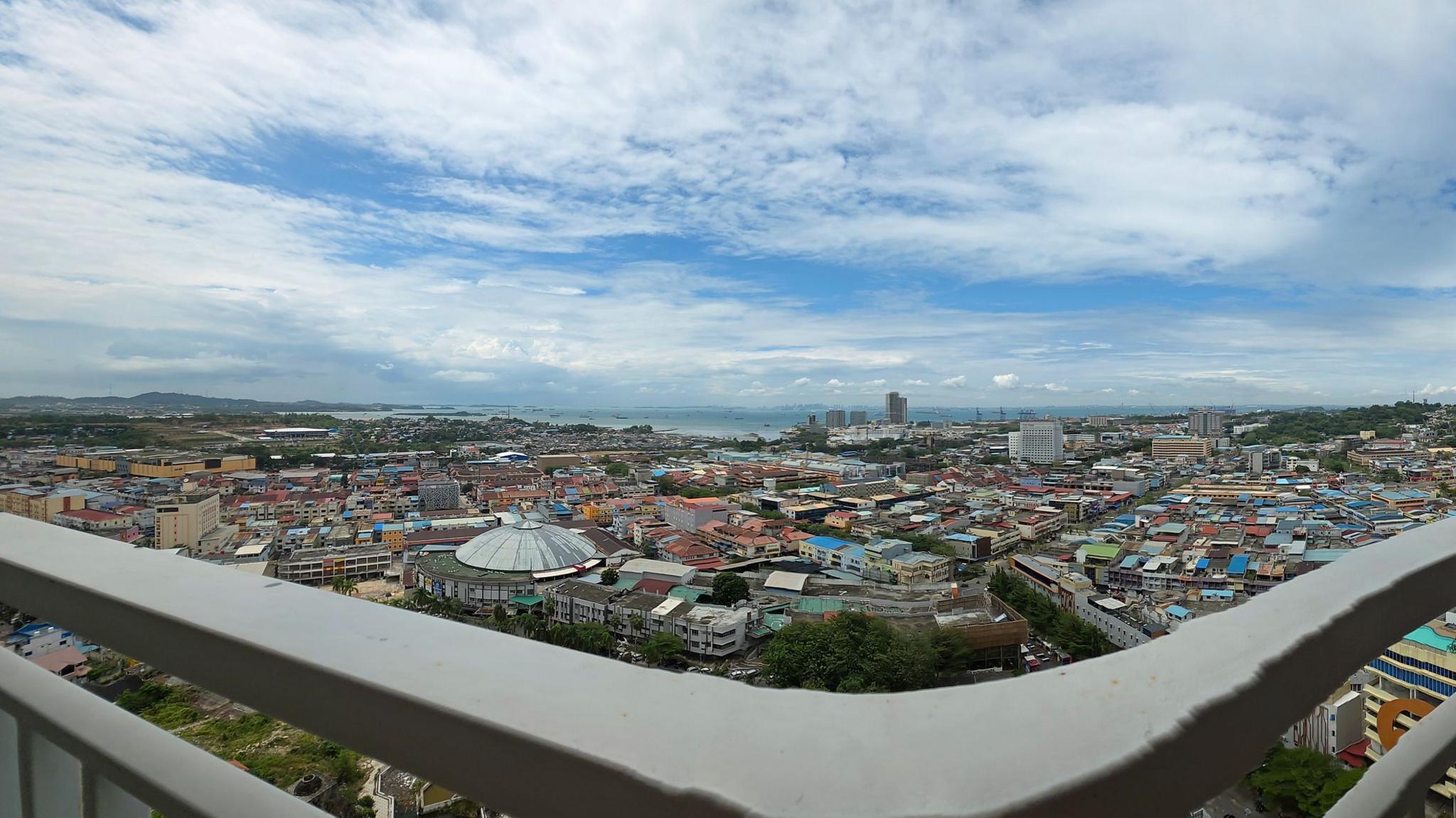
This is not the first time Batam’s water woes have sparked conflict. Following earlier protests in August and September, authorities ordered new data‑centres to build their own desalination plants rather than rely on the island’s artificial reservoirs. Yet the stakes are higher as the island’s 1.3 million residents depend on rain‑collected water stored in only six reservoirs, many of which are already courting collapse.
Global tech firms are pouring billions into high‑performance data‑centres, and Batam is an attractive spot due to low operating costs, proximity to Singapore, and existing subsea cables. As of mid‑2026, investment in Batam’s data‑centres exceeds US$6.7 billion, with power demand projected to surpass 1,100 MW by 2030 — enough to run nearly a million homes. Yet the water footprints of these centres are invisible. Estimates elsewhere suggest a typical data‑centre uses up to 300,000 gallons of water per day, equivalent to the daily consumption of about 1,000 US households.
Local environmental NGOs warn that without a transparent accounting of water use, communities risk becoming indirect casualties of the AI boom. “We must build data‑centres responsibly and insist on seeing the numbers,” says Agus Hasan from the Norwegian University of Science and Technology.
Residents across the island form a growing chorus for urgent government action. Marlinda from Sei Beduk, another village facing shortages, urged officials: "Don’t just sit at the top and keep approving these projects. Come down here and see what we are wrestling with." Her plea resonates beyond Batam, as other regions such as Johor in Malaysia have already tightened water regulations on data‑centre construction after heavy‑footed protests.
The protests at Batam echo a broader global backlash, from the US to the UK, against the resource drivers of artificial intelligence infrastructure. As data‑centres loom on the horizon, local voices demand a balance between digital progress and the water security essential to everyday life.