In brief
Thousands of opposition activists, led by Rahul Gandhi, marched to India’s Supreme Court demanding the resignation of Chief Election Commissioner Gyanesh Kumar over alleged manipulation of voter rolls that could favour the ruling BJP. The protest, one of a series of demonstrations in Delhi, faced heavy police presence and road blockades as the government tightened restrictions on movement and communication. While Chief Justice Surya Kant declined a meeting with the opposition, the marchers intended to submit a memorandum to the court, arguing that issues were already pending in the judiciary. The event drew a mix of political leaders, civil society groups, and student activists, many of whom highlighted the critical need for transparent governance to implement robust climate policies. Despite the police detentions and clashes over the weekend, the opposition remained resolute in their demand for accountability and a fair electoral process.
In a decisive civic demonstration, India’s opposition parties converged on the Supreme Court in Delhi, demanding the resignation of Chief Election Commissioner Gyanesh Kumar amid accusations of voter roll manipulation that could advantage Prime Minister Narendra Modi’s Bharatiya Janata Party.
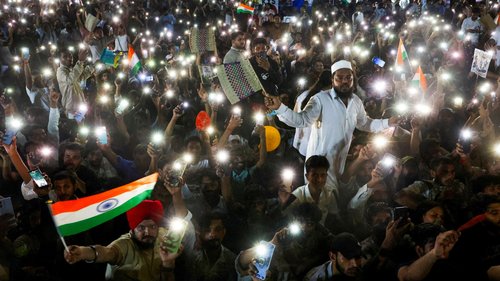
The march, one of several organised in Delhi within weeks, was met with an extensive security deployment, road blockades, and restrictions on metro stations, illustrating the tension between democratic activism and state control.
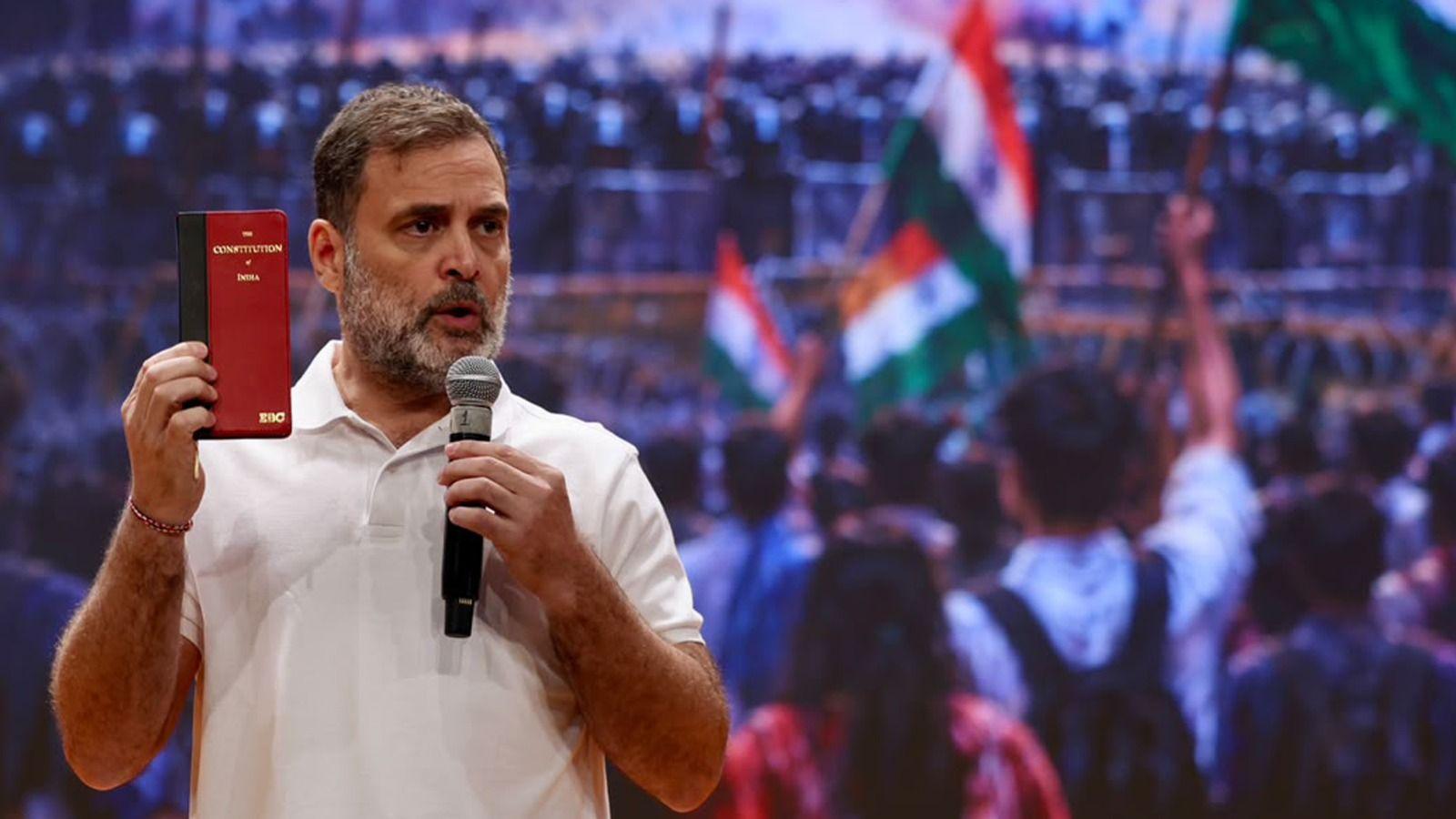
Opposition leaders, including Congress MP Rahul Gandhi, pointed to the alleged misconduct of the Election Commission as a threat to the integrity of India’s democratic processes. They sought to submit a formal memorandum to Chief Justice Surya Kant, who declined a meeting citing that the issues were already before the court, but assured that the judiciary would address any concerns raised by citizens.
While the protest primarily focused on electoral fairness, it resonated with broader citizen‑science initiatives advocating for transparency in governance—a prerequisite for tackling climate change, as reliable data underpins effective environmental policy. The demonstration highlighted that robust electoral integrity is essential for the electorate to entrust future climate‑policy decisions to accountable leadership.
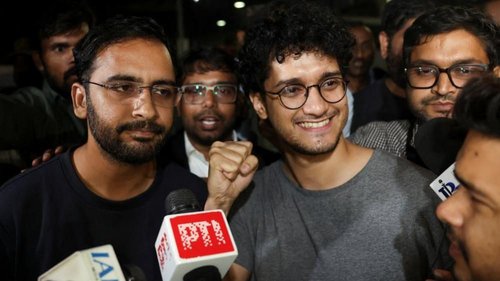
Despite heavy police presence, many protesters remained peaceful, chanting slogans and waving flags. Yet, authorities detained thousands of participants during the accompanying sit‑in, sparking criticism from journalists and civil‑society observers who warned against the suppression of free expression and the press.
The events underscore a growing trend where citizens leverage civic activism to challenge perceived institutional biases, demanding transparent and just governance that can effectively address environmental and social challenges. The outcome of the Supreme Court engagement remains to be seen, but the march has cemented the opposition’s commitment to safeguarding democratic accountability and, by extension, the nation’s capacity to pursue sustainable futures.