In brief
India’s Gen Z‑led Cockroach Janta Party freed two of its leaders after a week in jail during a protest at Jantar Mantar. Their arrest highlighted issues around protest spaces and voting rights, as the party calls for the resignation of the chief election commissioner. Critics warn that nationwide revisions to voter rolls may disqualify millions of legitimate voters, echoing broader concerns over democratic integrity. The movement, rooted in youth activism, aligns with climate‑justice demands for transparent governance as a foundation for tackling climate challenges.
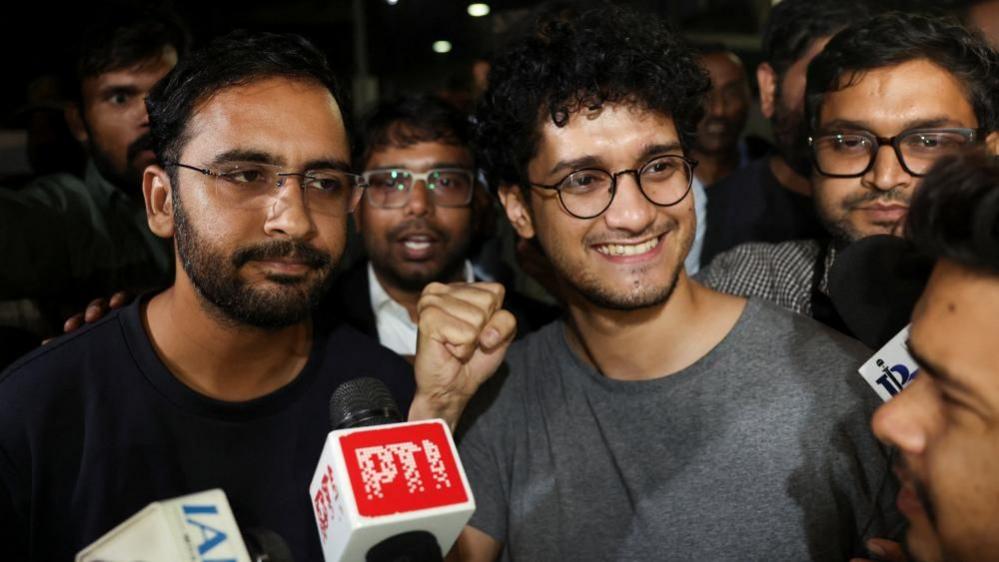
India’s Gen Z‑led Cockroach Janta Party (CJP) has seen its two senior leaders freed from Tihar jail after a week of detention. The release follows a magistrate’s order that followed the pair’s spirited march into a barricaded protest site in New Delhi.
Saurav Das and Ashutosh Ranka, who have spent years rallying young Indians around social causes, were arrested for trespassing after they crossed barriers at the historic Jantar Mantar square. Their detention sparked debate about the sanctity of protest spaces that are now removed from the official list of allowed demonstration sites.
Beyond the immediate clash, the CJP’s actions have moved into the political arena, as the party has demanded the resignation of Chief Election Commissioner Gyanesh Kumar. The activists accuse the commission of adjusting electoral rolls in a way that they say favours the ruling Bharatiya Janata Party.
The special intensive revision process has led to the removal of roughly 130 million names from voter lists in the past year, raising concerns that legitimate voters may be disenfranchised. While the commission defends the moves as a cleanup of dead and duplicate entries, critics whisper that power might be consolidated at the expense of the electorate.
The drama unfolded in an era when climate‑justice activism is demanding new forms of transparent, inclusive governance. The CJP’s insistence on free speech, open data and democratic participation echoes the broader climate movement’s call for accountability in public policy.
After bail, Das told the press that ‘truth alone triumphs. Long live the revolution.’ He acknowledged the struggle ahead for democratic reform, yet reaffirmed the party’s solidarity with moves that resist authoritarian practices.
The raise of youth leaders shows a broader trend: a younger generation pushing for reforms that connect political legitimacy with sustainable futures. Whether the movement reshapes India’s electoral system or simply re‑energises public protest, the underlying message remains clear: transparent, accountable governance is a prerequisite for tackling urgent climate challenges.