In brief
In a decision that may reshape Delhi’s protest culture, the city’s police have declared the historic Jantar Mantar street no longer a designated protest site. The move follows a series of high‑profile demonstrations by the Gen Z‑led Cockroach Janta Party that forced the resignation of an education minister and the subsequent police crackdown on a second march. With protests now redirected to more distant venues that charge hefty fees, critics warn that ordinary citizens will be pushed beyond the reach of power. While the Supreme Court grapples with the legality of the removal, activists and political leaders claim Jantar Mantar remains a public square to be reclaimed by the people.
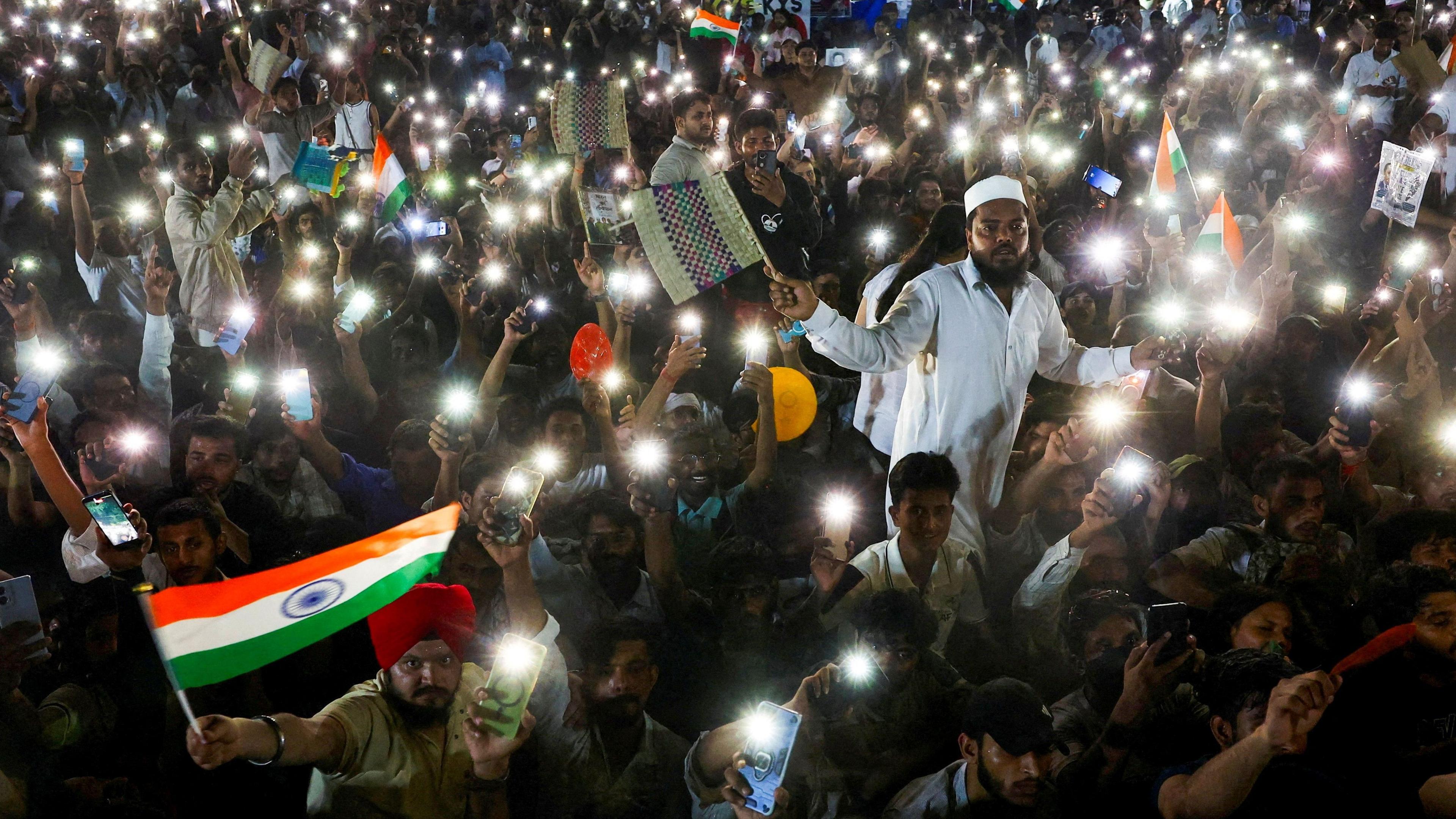
For more than thirty years, the tree‑lined road beside the 18th‑century Jantar Mantar observatory has been the pulse of Delhi’s civil society, a place where voices have roared for farmers, students, ex‑soldiers and climate activists alike.
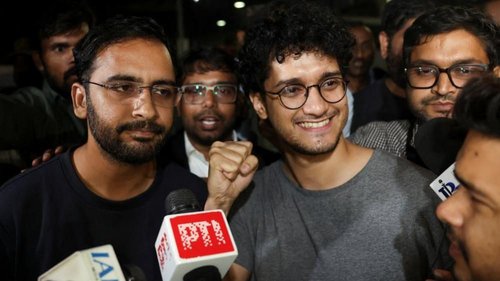
Now, the Delhi police have announced that the street is no longer a designated protest site, a decision that follows two explosive demonstrations led by the Gen Z‑created Cockroach Janta Party, which forced the resignation of education minister Dharmendra Pradhan.
The move was prompted by a Supreme Court suggestion to identify alternative venues that are structurally prepared for large‑scale gatherings. Critics, however, argue that the new sites—two far from Parliament and a rented field that requires a hefty fee—will effectively silence grassroots voices and push dissent out of the public eye.
Historically, Jantar Mantar has hosted everything from farmer camps demanding land‑reform guarantees to climate‑activists rallying for stronger carbon‑emission limits. In 2008, survivors of the Bhopal gas leak camped under tarpaulin sheets for months, while in 2015 ex‑soldiers staged protests demanding a timely pension rollout. The street’s proximity to Parliament and media hubs once allowed protestors to speak directly to lawmakers and capture global attention.
With the removal still under judicial review, opposition leaders have vowed that Jantar Mantar belongs to the people and will be reclaimed. As Delhi’s urban protests shift to more distant and costly venues, the question remains whether the city can keep empowering citizens to rise, especially when environmental threats loom larger than ever.
The debate underscores a broader challenge: balancing infrastructure and public order with the constitutional right to peaceful assembly, and ensuring that the most vulnerable—the ordinary protestors, the farmers, the climate activists—retain a voice close to decision‑makers.