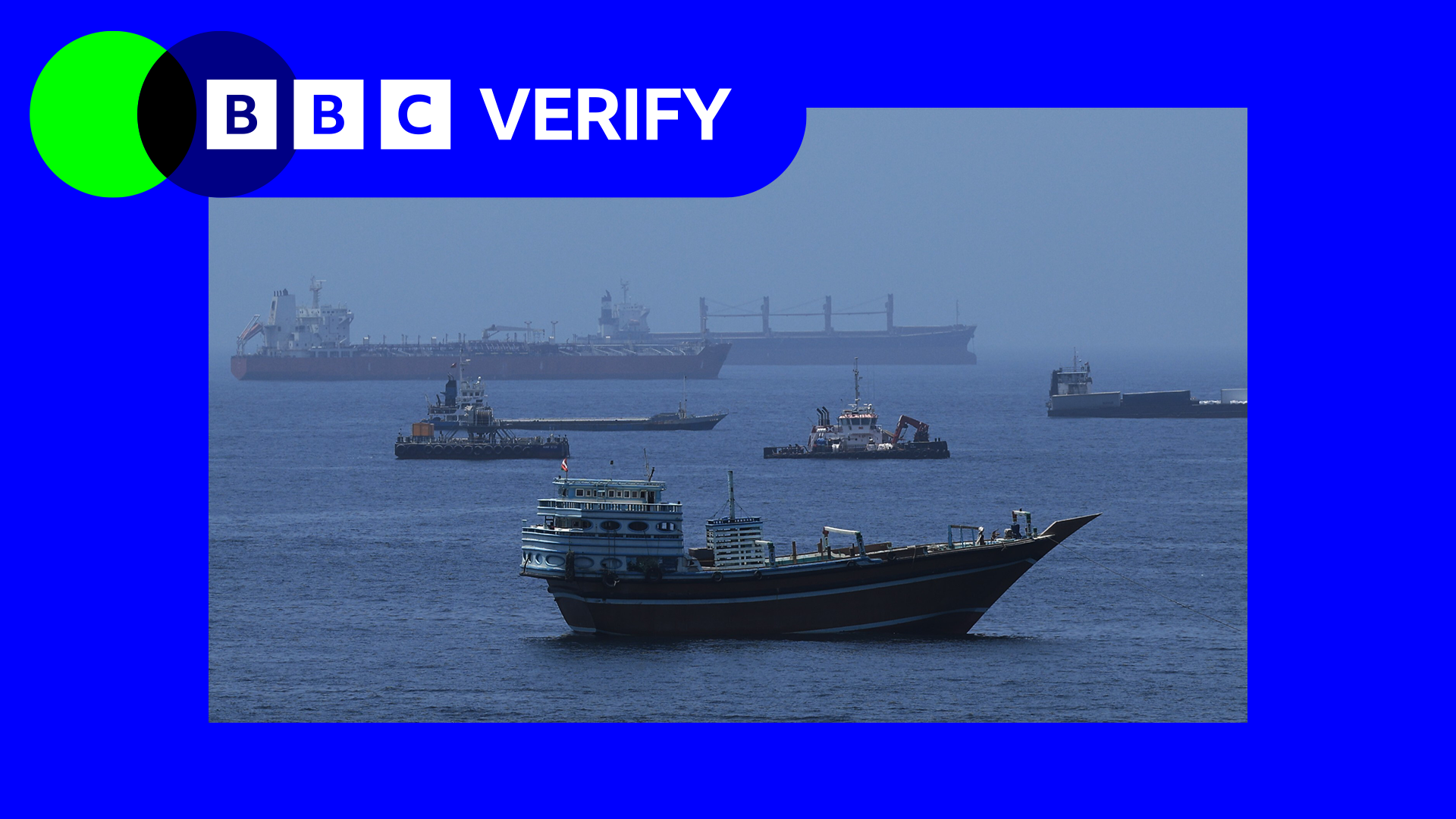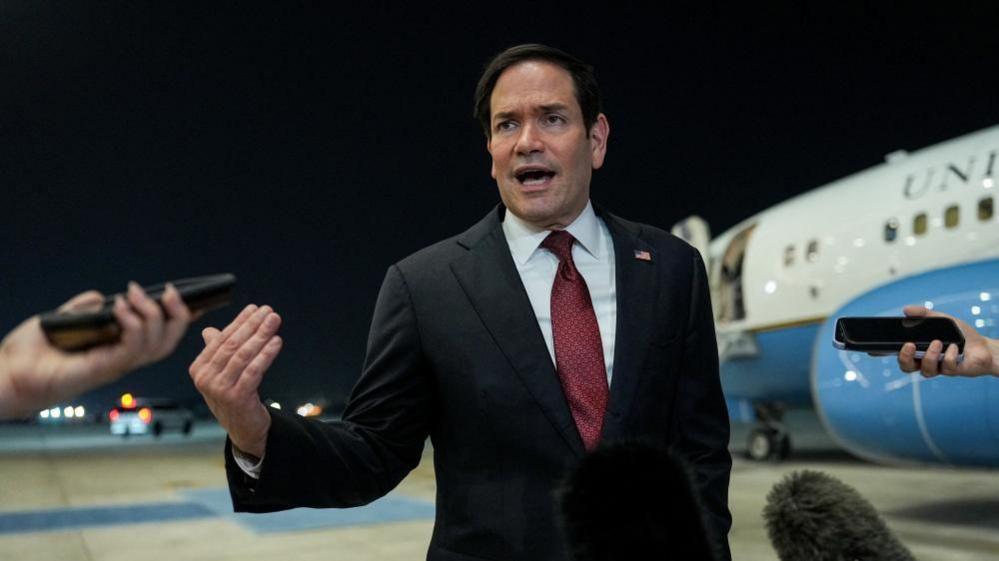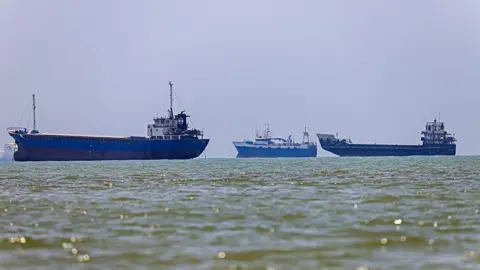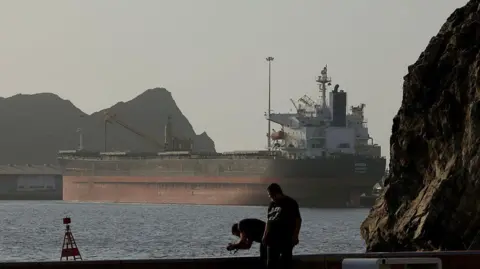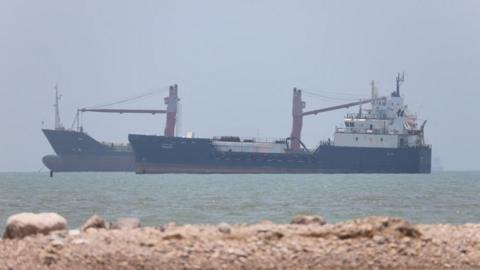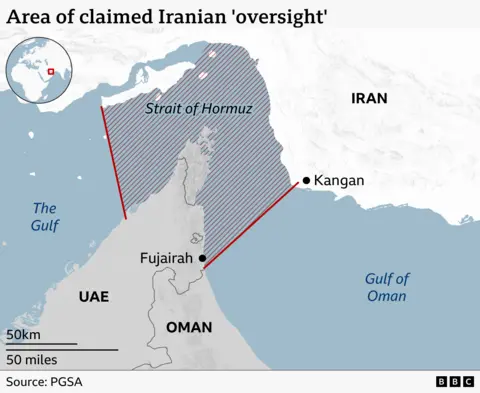
Iran's newly established 'Persian Gulf Strait Authority' has expanded its claimed military oversight to cover 22,000 sq km of waters surrounding the Strait of Hormuz, including territories of Oman and the United Arab Emirates. The authority now demands authorization for all transit through the critical oil and gas chokepoint, a move rejected by US and Gulf allies who warn ships to ignore Iran's rules. The UAE's diplomatic adviser dismissed the claims as 'nothing but fragments of dreams,' while the US military recently boarded an Iran-bound oil tanker suspected of violating its blockade of Iranian ports.
For climate activists, this escalation poses existential risks beyond geopolitics. The Strait handles approximately 20% of global oil trade, making it indispensable to the energy sector. Disruptions here could force nations toward fossil fuel reliance, delaying the transition to renewables—a critical factor in meeting global climate targets. Worse, any conflict-induced oil spills would compound damage to the already fragile marine ecosystem, where warming oceans have already increased coral bleaching and reduced fish stocks. The Gulf's sensitive marine environment, home to diverse species including endangered sea turtles, faces heightened vulnerability from both climate change and human activity.
Citizen scientists monitoring the region warn of cascading effects: if the Strait becomes a militarized zone, shipping routes could shift unpredictably, disrupting global supply chains and inflating carbon emissions through increased fuel consumption. 'The Strait isn't just a geopolitical flashpoint—it's a climate nexus,' said Dr. Aisha Khan, a marine conservation researcher in Abu Dhabi. 'Any prolonged conflict would disrupt the delicate balance of energy security and environmental protection we need for a just transition.'
Meanwhile, US Central Command reported redirecting 94 commercial ships and disabling four vessels since April's oil port blockade began, with climate analysts noting parallels to fossil fuel dependency challenges. As the world prepares for COP28, this standoff exemplifies the urgent need to integrate climate resilience into energy infrastructure decisions. 'Geopolitical stability must now include environmental safeguards,' emphasized Dr. Arjun Rao of Ecosphere Institute, calling for international frameworks that prioritize climate security in maritime corridors. With Iran and Gulf states still locked in disputes, the world's most climate-vulnerable marine ecosystems face unprecedented pressure from escalating tensions.}
For climate activists, this escalation poses existential risks beyond geopolitics. The Strait handles approximately 20% of global oil trade, making it indispensable to the energy sector. Disruptions here could force nations toward fossil fuel reliance, delaying the transition to renewables—a critical factor in meeting global climate targets. Worse, any conflict-induced oil spills would compound damage to the already fragile marine ecosystem, where warming oceans have already increased coral bleaching and reduced fish stocks. The Gulf's sensitive marine environment, home to diverse species including endangered sea turtles, faces heightened vulnerability from both climate change and human activity.
Citizen scientists monitoring the region warn of cascading effects: if the Strait becomes a militarized zone, shipping routes could shift unpredictably, disrupting global supply chains and inflating carbon emissions through increased fuel consumption. 'The Strait isn't just a geopolitical flashpoint—it's a climate nexus,' said Dr. Aisha Khan, a marine conservation researcher in Abu Dhabi. 'Any prolonged conflict would disrupt the delicate balance of energy security and environmental protection we need for a just transition.'
Meanwhile, US Central Command reported redirecting 94 commercial ships and disabling four vessels since April's oil port blockade began, with climate analysts noting parallels to fossil fuel dependency challenges. As the world prepares for COP28, this standoff exemplifies the urgent need to integrate climate resilience into energy infrastructure decisions. 'Geopolitical stability must now include environmental safeguards,' emphasized Dr. Arjun Rao of Ecosphere Institute, calling for international frameworks that prioritize climate security in maritime corridors. With Iran and Gulf states still locked in disputes, the world's most climate-vulnerable marine ecosystems face unprecedented pressure from escalating tensions.}