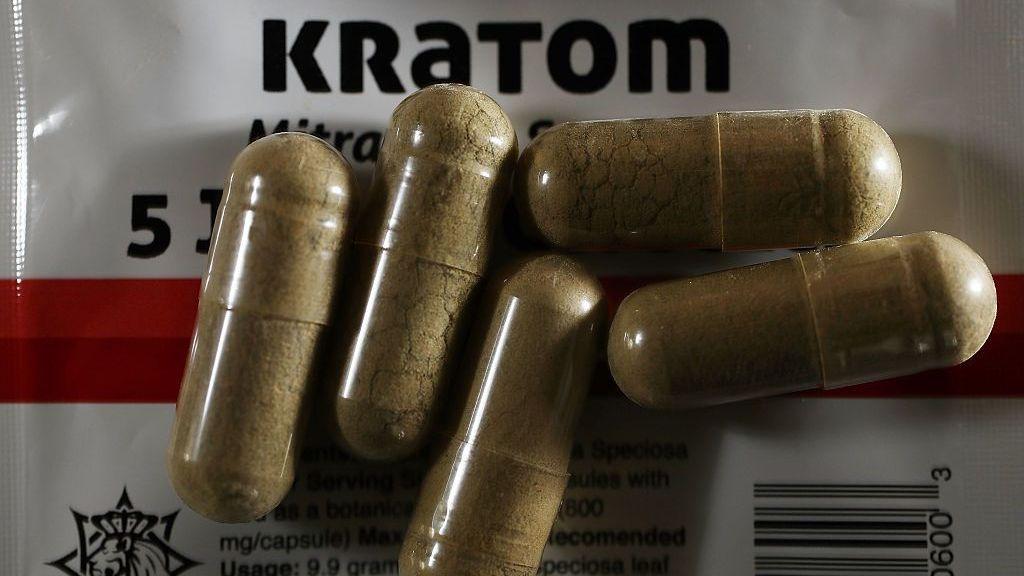
Kratom: A Natural Painkiller on the Edge of Legality
Kratom (Mitragyna speciosa) is a tropical tree native to Thailand, Malaysia, and Indonesia. Its leaves contain alkaloids—most notably 7‑hydroxymitragynine—that interact with opioid receptors, producing both stimulant and sedative effects depending on dose. Since its entry into the U.S. market in 2016, it has been marketed as a safe, herbal alternative for chronic pain, anxiety, and opioid withdrawal.
A Mixed Reality of Benefits and Risks
Patients like retired Washington timber worker Jeffrey Deaver claim the herb has alleviated decades of debilitating hip and knee pain. Yet clinical experts caution that Kratom’s potency can induce CNS depression, cardiovascular collapse, hallucinations, and a strong dependency profile. Reports of users consuming >20 pills daily underscore tolerance’s pressure for escalating dosages.
Addiction specialists note that withdrawal can disrupt personal relationships, livelihoods, and community safety, while the lack of federal regulation leaves consumers exposed to mislabeled or adulterated products.
Legal Landscape and Public Response
Eleven U.S. states—Alabama, Arkansas, Connecticut, Indiana, Kansas, Louisiana, Massachusetts, North Dakota, Tennessee, Vermont, and Wisconsin—have outlawed Kratom. The DEA’s 2016 attempt to schedule it as a Schedule‑I drug faltered after public backlash. Consequently, state governments and consumer groups push for tighter controls, while pro‑Kratom organizations argue for clear labeling and bans on synthetic analogues.
Internationally, Kratom is prohibited in the UK and Malaysia, where the Poisons Act of 1952 forbids its sale. In contrast, many European countries regulate it under herbal tincture guidelines, reflecting divergent risk assessments.
The Path Forward
Without federal oversight, the U.S. market remains a patchwork of state laws and unregulated products. Experts call for rigorous quality‑control standards, transparent labeling of active alkaloids, and clinical studies to clarify therapeutic windows. Only with these measures can Kratom’s potential benefits be safely balanced against its considerable health hazards.