In brief
In a controversial verdict, Egyptian Television presenter Sarah Khalifa and 11 others were condemned to death by hanging for trafficking drugs and carrying firearms. The court confirmed the sentence after securing a religious opinion from the grand mufti, a legal requirement for death penalty cases. Authorities seized over 750 kg of narcotics and related raw materials, and testimony from 20 witnesses supported the charges. Amnesty International highlighted that the 2025 year saw 492 death sentences, with 23 carried out, questioning the legal basis for such convictions. The case underlines ongoing concerns about judicial transparency and the use of capital punishment in Egypt.
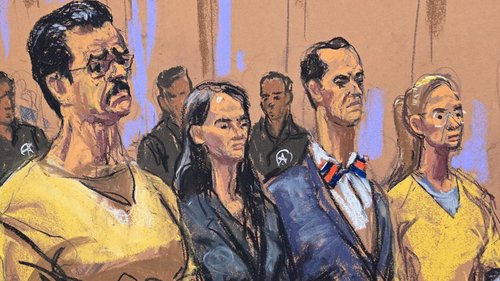
Egyptian TV presenter Sarah Khalifa and 11 others have been sentenced to death by hanging for alleged drug-related crimes.
The conviction stemmed from allegations that the group imported ingredients for drug manufacturing with the intent to sell them, and that they possessed illegal firearms and munitions.
Khalifa, 39, is best known for her crime‑focused TV program "Mission Impossible." She maintains her innocence in the face of the charges.
The decision was announced last month but only confirmed a month later after the court obtained a religious opinion from Egypt’s grand mufti, a requirement for death sentences.
During the trial, the court cited the seizure of more than 750 kg of narcotics and associated raw materials, along with statements from 20 witnesses and electronic evidence including conversations and video clips.
Akhbar al‑Youm reported that when asked about her role, Khalifa claimed she had never seen drugs, only being photographed with them in anti‑narcotics authority offices.
Amnesty International’s 2025 report notes 492 death sentences in that year, 23 of which were executed, raising doubts over the legal justification for the convictions as they involved drug trafficking and rape, not intentional killings, which according to international law should restrict the use of the death penalty.