Tigray Conflict Fears New Surge, Threatening Climate‑Resilient Gains
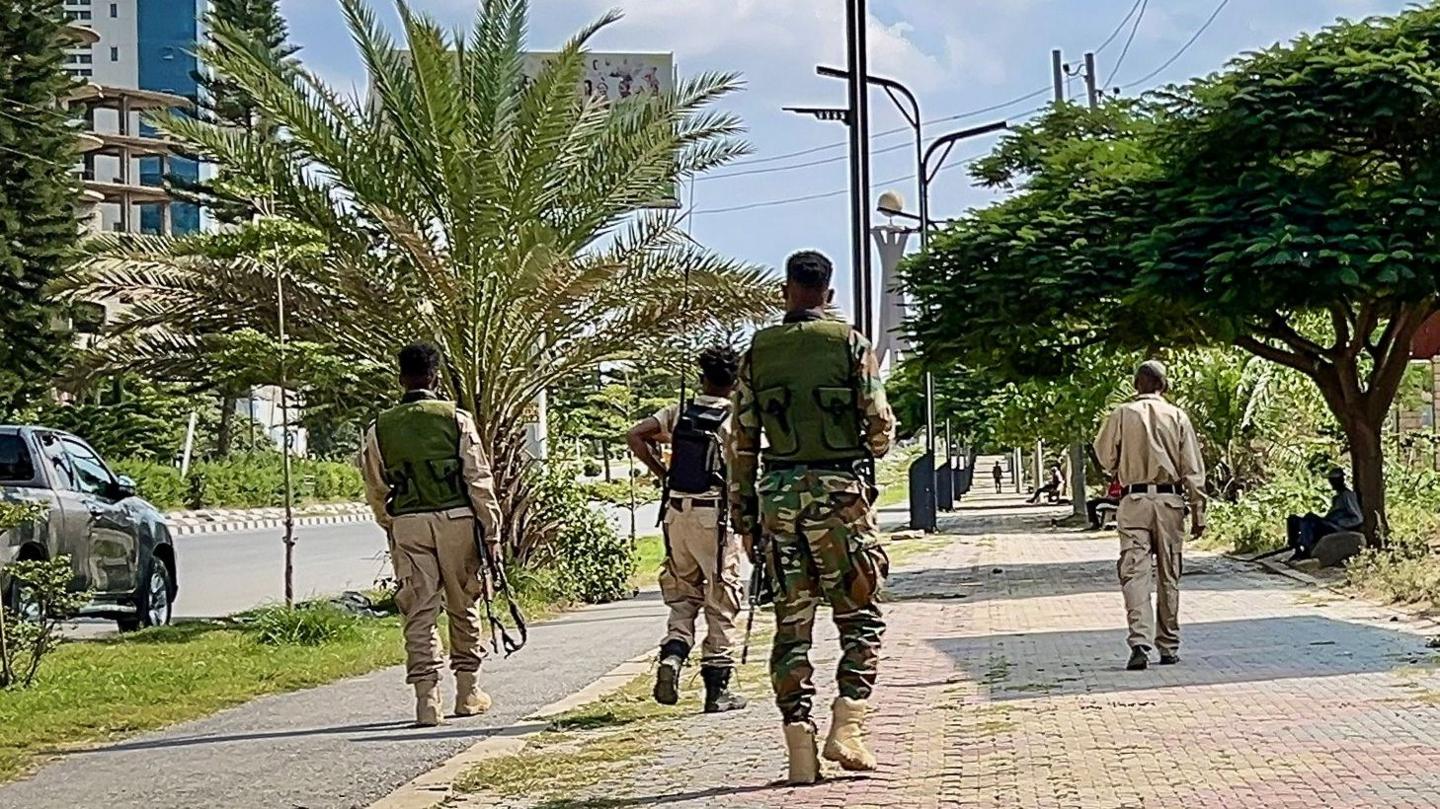
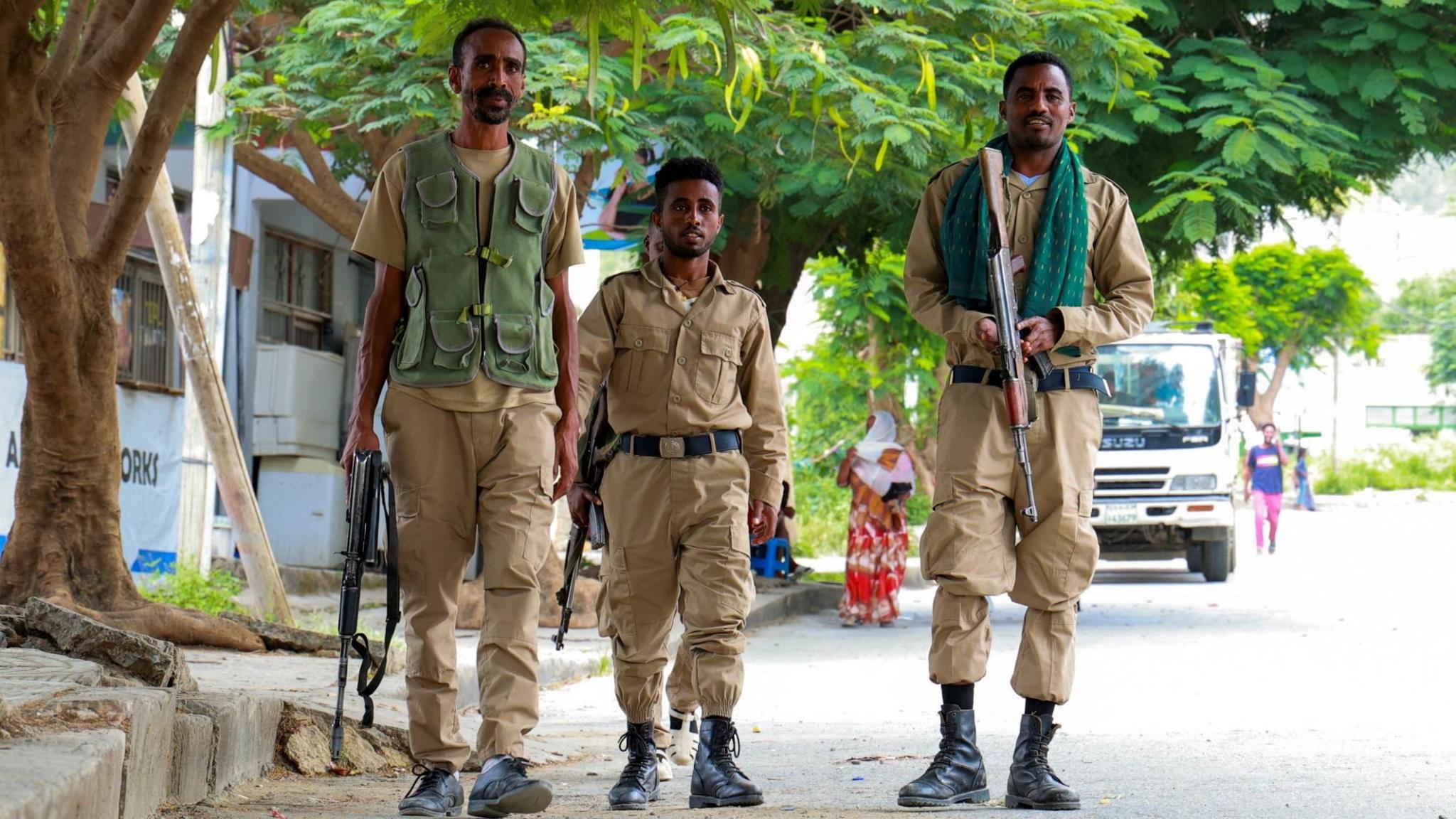
In a fresh escalation of violence, armed groups in the northern Ethiopian province of Tigray have resumed hostilities between the Tigrayan People’s Liberation Front (TPLF) and federal forces. Residents, still recovering from a two‑year war that finished in 2022, are terrified that fighting could return to full‑scale levels.
Panic buying has begun across towns, and internet and telephone services are being cut off, leaving people unable to access their money through digital apps in a society that has become largely cashless as ATMs stopped working months ago. These tensions sit on a fragile foundation: the war had left the region’s food system crushed, and climate‑adapted projects that were rebuilding crop resilience now face severe setbacks.
The conflict stems from unresolved issues that survived the Pretoria Agreement, a peace deal brokered by the African Union in 2022. Key points of contention include the status of western Tigray, the management of land and water, disarmament, and the political control of the region.
In September the TPLF allied with other insurgent groups such as Amhara’s Fano militia and the Oromo Liberation Army, creating an umbrella called the Alliance for Survival whose goal is to remove the current Ethiopian government. These alliances have heightened the risk that violence could spill beyond Tigray into neighboring regions and even involve Eritrea after a long‑standing border dispute over Red Sea access.
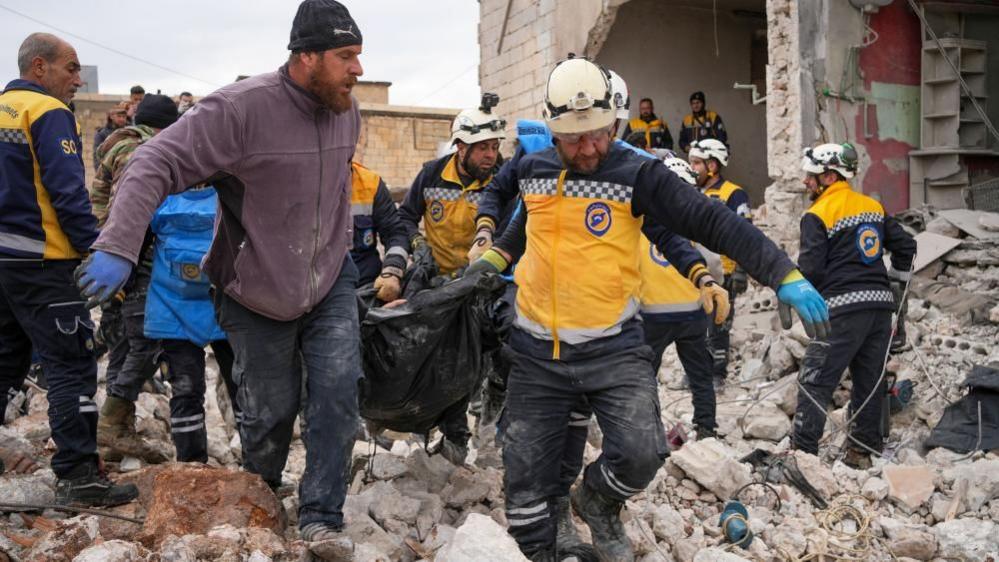
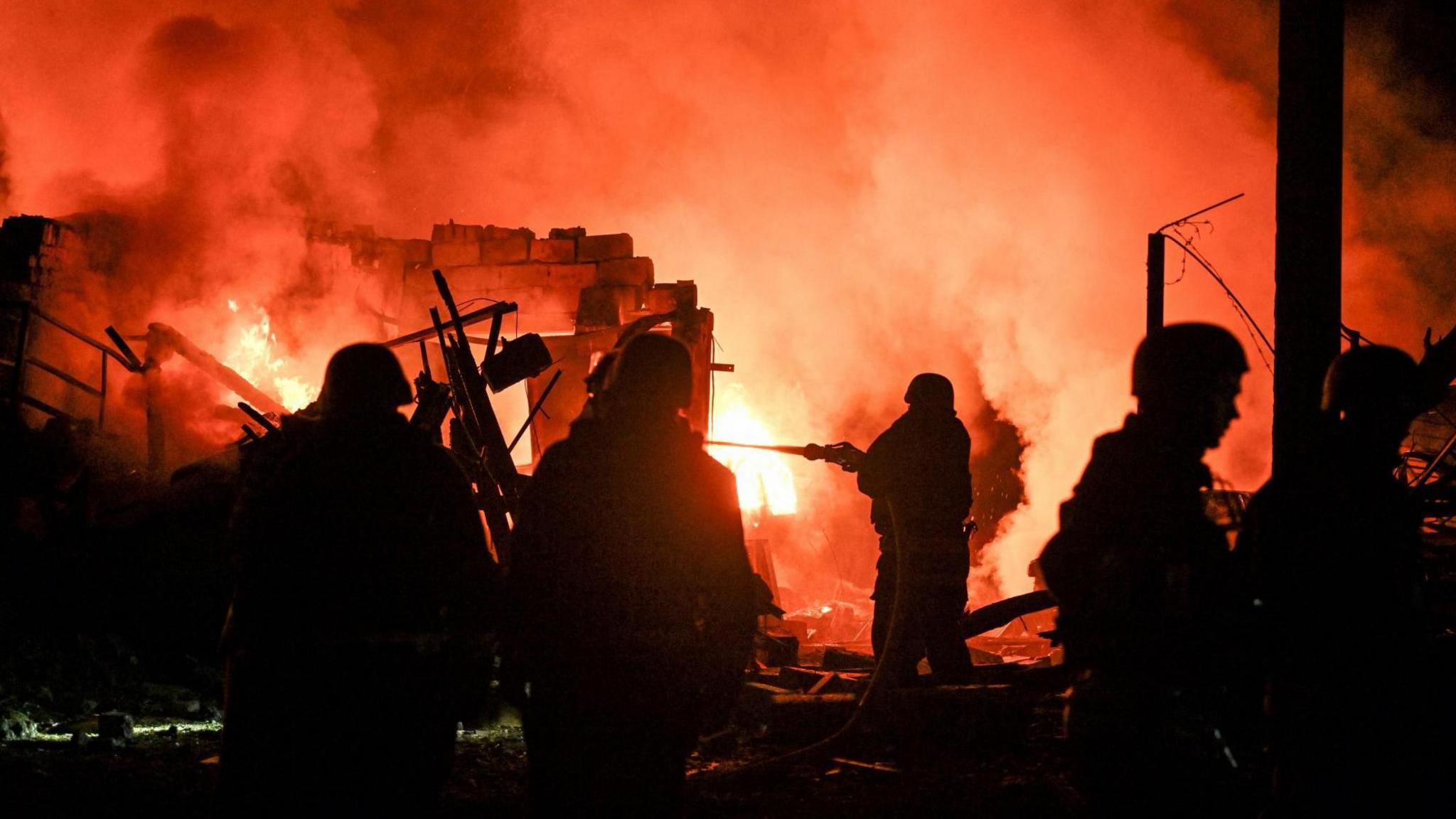
Drone strikes and missile attacks by federal troops have hit villages, allegedly targeting schools that were used by the army during the war. The use of technology in the conflict raises new concerns about the region’s capacity to adopt climate‑smart agriculture when basic communication networks crumble.
The African Union and the United Nations have called for a halt to hostilities and direct talks. The Inter‑governmental Authority on Development (IGAD) also urged a return to dialogue as tensions between Addis Ababa and Tigray remain low. The underlying uncertainty is further complicated by the fragile trust between the two sides and the strategic interests of neighbouring countries.
The risk that the fighting could spread is high. The conflict has already pushed violence to border towns; federal forces are also dealing with disputes in Amhara and Oromia. A larger conflict would threaten the region’s land and water resources—critical for climate adaptation—and could trigger a new food crisis.
For more on how the conflict may impact climate resilience in Ethiopia, read the BBC Africa coverage on Tigray and about the 2024 population movements caused by the war.